E-Paper



Psychologist explains why making a to-do list feels like getting things done even when you have yet to start working

 Prefer HTon Google



From mental clutter to a sense of achievement, here’s why making a to-do list feels so rewarding.
There’s a certain satisfaction in writing down everything you need to get done for the day. From work deadlines to grocery shopping, making a to-do list can make you feel organised and productive even before you begin tackling the tasks. But what explains this sense of achievement that comes simply from planning? In an interview with HT Lifestyle, Ashwini Shastry, a consultant clinical psychologist at Cadabams Hospitals, explains the psychology behind this habit.
Also read | From career milestones to marriage and children, why your late 20s can feel like a race against time
Why do we feel productive after making a to-do list?
According to Shastry, making a to-do list gives the brain a sense of structure and control, particularly when we are dealing with multiple responsibilities or feel overwhelmed by unfinished tasks. When tasks remain in our minds, we have to keep remembering them, prioritising them, and worrying about when to complete them.
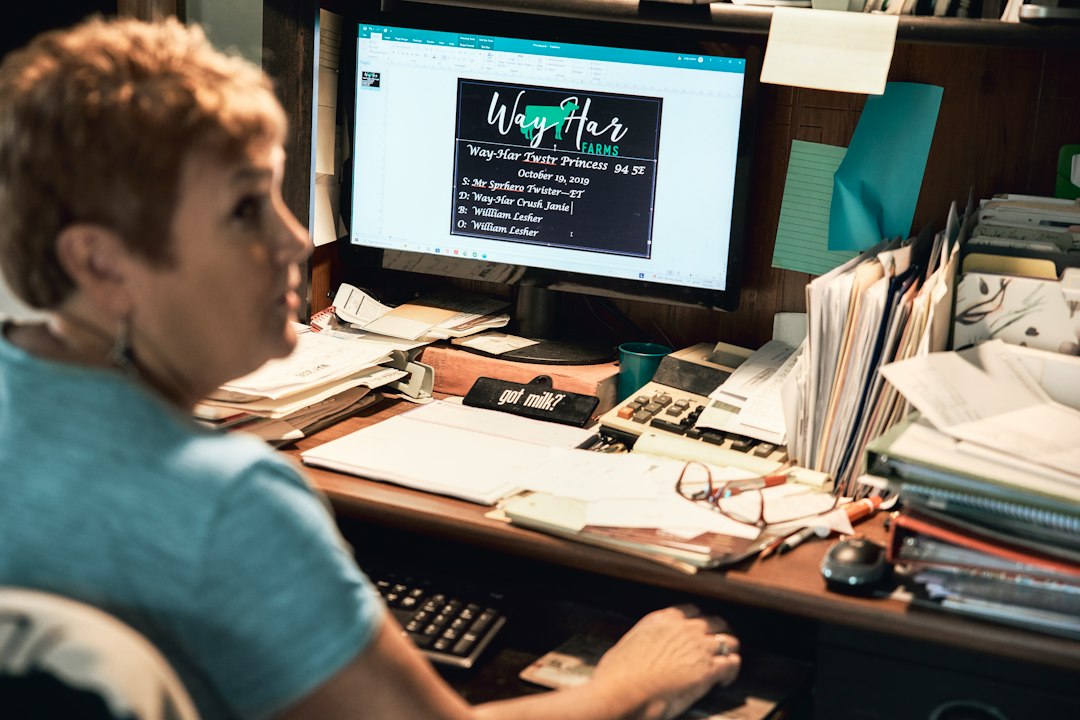
Writing them down externalises this mental load, making our responsibilities feel more organised and manageable. This can reduce the feeling of being overwhelmed and create a sense of psychological relief.
“There is also a reward component involved. When we break a large or vague responsibility into smaller, clearly defined tasks, the brain can perceive the work as more achievable,” highlighted Shastry. The act of listing these tasks creates a sense of progress because we have moved from uncertainty to a concrete plan. This can increase motivation and make us feel more prepared to act.
What does feeling productive mean?
Feeling productive is not the same as being productive. Planning can provide a sense of accomplishment even before any meaningful work has been completed. For some people, repeatedly organising, rewriting or perfecting a to-do list can become a way of avoiding tasks that feel difficult, stressful or uncomfortable.

“Psychologically, planning can then function as a form of procrastination because it offers temporary relief from the anxiety associated with actually starting the work,” said Shastry.
According to Shastry, the most effective approach is to keep lists realistic, prioritise a few important tasks and begin with a manageable action. Completing even one task can reinforce a genuine sense of achievement and build momentum for the next. The purpose of a to-do list should be to help translate intention into action, rather than simply to make us feel that we have our lives under control.