
 E-Paper



Joint research by IIT Madras and Thales
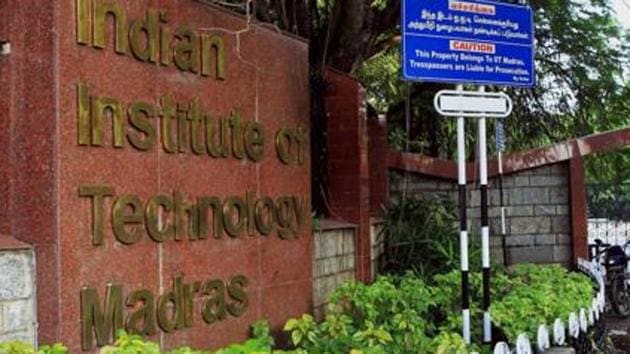
Indian Institute of Technology Madras is partnering with Thales to design a SHAKTI RISC-V processor. The collaboration will result in defining and prototyping a SHAKTI RISC-V based processor suitable for mix-criticality applications, including Safety Critical applications.


Indian Institute of Technology Madras is partnering with Thales to design a SHAKTI RISC-V processor. The collaboration will result in defining and prototyping a SHAKTI RISC-V based processor suitable for mix-criticality applications, including Safety Critical applications.
As a result of this tie up, a fault-tolerant SHAKTI framework would be developed and will undergo evaluation by the world’s top experts in safety critical standards.
Thales and IIT Madras are going to take up joint research programs in many areas including aerospace, space, transportation, security and defence.
Thales, an international group, designs and builds electronic systems for aerospace, space, transportation, security and defence.
Thales will draw on its expertise in the security and dependability of critical embedded systems to establish security best practices for hardware development.
The ultimate objective is to improve the security and dependability of Internet of Things (IoT) devices, embedded systems and machine learning implementations.
IIT Madras researchers recently designed, fabricated and booted up India’s first Indigenously-developed RISC V Microprocessor - ‘Shakti’. The Shakti family of processors are targeted for mobile computing devices, embedded low power wireless systems and networking systems besides reducing reliance on imported microprocessors in communications and defence sectors.


