
 E-Paper



Measuring blood proteins may help diagnose autism early, finds study
Researchers have found two proteins in blood that may aid in identifying autism spectrum disorder early in children.


Scientists have identified two proteins in the blood that may help diagnose autism spectrum disorder in its early stage with 82% accuracy.

“ASD is a very heterogeneous disorder, and if we can identify bio markers for even a subgroup of ASD patients, then that would be extremely helpful not only for early diagnosis but also for the development of therapeutics,” said Dwight German, professor of Psychiatry at UT Southwestern in the US.
Researchers found that the levels of two proteins previously identified as potential markers for autism spectrum disorder (ASD). The proteins could help them accurately diagnose the disorder in about 75% of the children studied, researchers said.
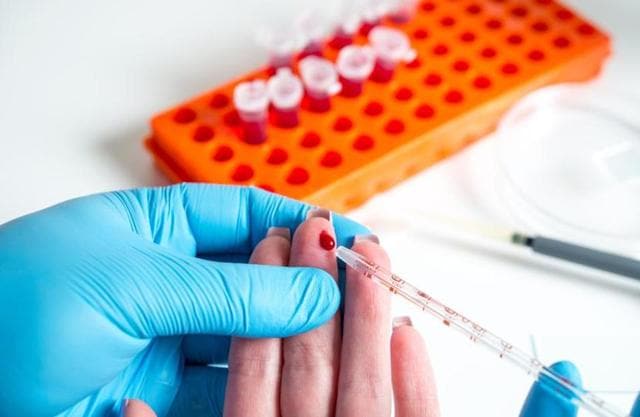
The team found that when the two proteins are measured together, the diagnostic accuracy increased to 82%. In attempt to improve early diagnosis of ASD, researchers shifted focus to biological measurements instead of behavioural symptoms.
Progress in this area could lead to earlier intervention and help limit the effects of the disorder, German said.
ASD affects approximately 1 in 68 children in the US. The neurodevelopmental disorder is characterised by social interaction and communication challenges, and restricted and repetitive patterns of behaviour.
Most cases are not diagnosed until about age 4, when communication and social disabilities become apparent.
The study was published in the Journal of Neuroinflammation.
Follow @htlifeandstyle for more
Catch your daily dose of Fashion, Taylor Swift, Health, Festivals, Travel, Relationship, Recipe and all the other Latest Lifestyle News on Hindustan Times Website and APPs.


