
 E-Paper



Ahead of Amit Shah’s Punjab visit, AAP raises six questions on funds, relief and state support
Aman Arora asked the Union Home Minister to address pending dues, flood relief, anti-drug coordination and industrial assistance during his March 14 visit.

 Prefer HTon Google


Ahead of Union Home Minister Amit Shah’s visit to Punjab on March 14, the Aam Aadmi Party on Thursday raised six issues it said were critical to the state’s economy, farm sector, industry and anti-drug campaign, and sought clear answers from the Centre on each of them.
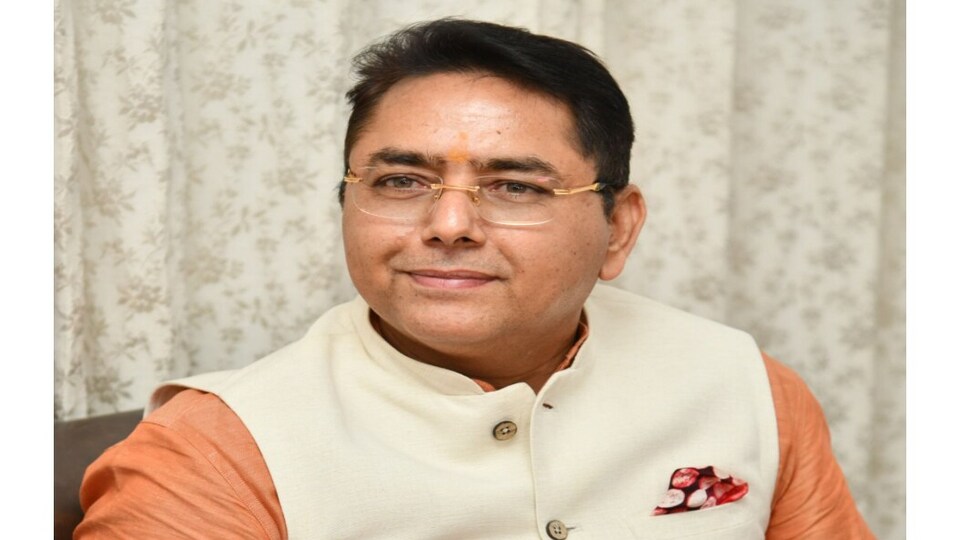
Speaking at a press conference in Chandigarh on March 12, AAP Punjab president and cabinet minister Aman Arora said Shah’s visit should go beyond political messaging and address matters that, according to him, have a direct bearing on Punjab’s finances and development. The issues flagged by Arora included pending Rural Development Fund and Market Development Fund dues, the end of GST compensation, flood relief, the proposed India-US trade arrangement, narcotics trafficking and the possibility of a special industrial package for the state.
On the first issue, Arora said around ₹8,300 crore in RDF and MDF dues had remained pending for nearly four years. He said these funds were meant to support rural infrastructure, roads, mandis and other development works in the state. According to him, the release of these funds is important not only for agriculture-linked infrastructure but also for local development spending in rural Punjab.
Arora also questioned the impact of the end of GST compensation, saying Punjab had faced a loss of around ₹55,000 crore to ₹60,000 crore after the compensation period ended in 2022. He said the Centre should clarify whether any mechanism was being considered to address the shortfall. He argued that the issue was especially important for Punjab because of the pressure on its finances as a border state with a large agriculture-based economy.
A third question related to flood relief. Arora said Punjab was still waiting for ₹1,600 crore in relief that, according to him, had been announced after severe flooding in the state. He said the Centre should explain the status of that amount and indicate when the money would be released, if it had not already been cleared. He linked the issue to rehabilitation efforts in affected districts and to the fiscal burden on the state government.
Arora also raised concerns over the proposed India-US trade arrangement. He said the Centre should explain how it intended to protect the interests of farmers and small traders if such an agreement moved ahead. He argued that Punjab, with its dependence on agriculture and allied economic activity, could be particularly sensitive to policy changes that affect farm incomes and smaller businesses.
The fifth issue concerned narcotics trafficking. Arora said Punjab’s campaign against drugs required stronger cooperation from the Centre because the challenge extended beyond the state’s borders. He referred to the role of the international border, neighbouring states and wider trafficking networks, and asked what support the Union government would provide in terms of enforcement and coordination.
The final issue related to industrial revival. Arora said Punjab’s industry had faced long-term pressure because of incentives extended to neighbouring hill states and because of disruptions in trade. He asked whether the Centre was considering any special industrial package to support investment, employment and business activity in Punjab.
The remarks come at a time when political activity in Punjab is picking up ahead of the 2027 assembly election. Arora said the state would welcome the Union home minister, but added that people expected specific answers on issues affecting farmers, businesses and public finances rather than only broad political statements.
No official response to Arora’s specific questions was available at the time of publication.


