
 E-Paper



At Gujarat’s Chintan Shivir, CM urges officers to focus on ground-level governance, reviews 2047 roadmap
Gujarat CM Bhupendra Patel asks senior officials to emphasise field work, and coordinate governance as the state reviews its long-term development plan.

 Prefer HTon Google


The three-day Chintan Shivir of Gujarat’s senior bureaucracy concluded on Friday, with Chief Minister Bhupendra Patel calling for stronger field engagement, coordinated administrative effort and regular evaluation as part of the state’s long-term governance roadmap.
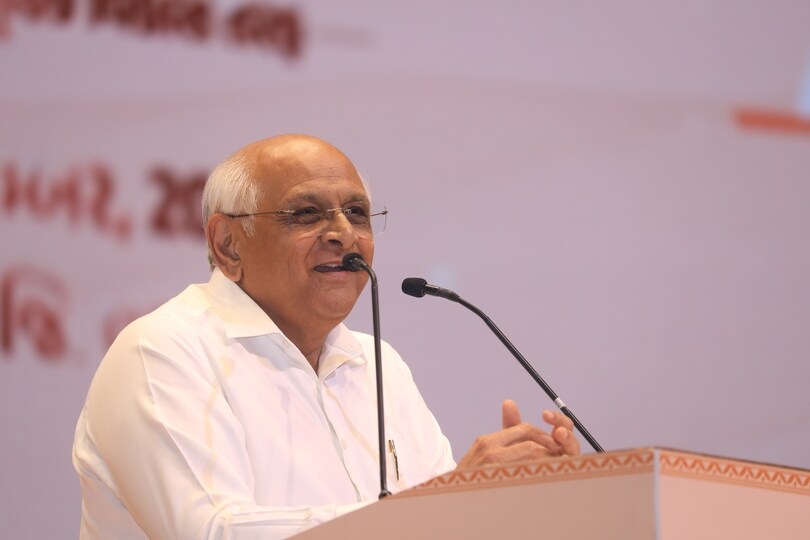
The annual exercise, held this year at Shrimad Rajchandra Ashram in Dharampur, brought together cabinet ministers, senior secretaries, district collectors and development officers for thematic discussions on administrative priorities. The forum, introduced in 2003, is intended to serve as a review and planning mechanism for the state’s development agenda.
Addressing the concluding session, the Chief Minister said the discussions should translate into practical steps at the departmental and district levels. He emphasised that officers must avoid an overreliance on paperwork and instead maintain consistent presence on the ground to understand challenges affecting service delivery. He added that self-review and regular assessment remain essential to ensure that programs remain aligned with their intended outcomes.
Patel also referred to the state’s ongoing work on its “Viksit Gujarat 2047” roadmap, which aligns with the Centre’s larger “Viksit Bharat 2047” vision. He said the ideas generated during the Shivir form part of the intellectual groundwork for the state’s long-term planning exercise.
The Chief Minister reiterated the need for collective action on complex social issues, noting that the government would initiate a coordinated campaign addressing malnutrition in the state. He called for sustained monitoring of sector-wise progress until the next edition of the Shivir.
Speaking at the event, Deputy Chief Minister Harsh Sanghavi said that the takeaways from the forum should guide improvements in grassroots service delivery and administrative transparency. He urged officials to ensure that the deliberations do not remain confined to internal reports but are documented in a form that leads to operational outcomes. Sanghavi said the district administration should play an active role in carrying forward the recommendations.
The discussions covered themes such as departmental coordination, technology use in governance, public welfare delivery, and administrative responsiveness. Senior officials highlighted the importance of evidence-driven decision-making, better inter-departmental communication, and consistent follow-up mechanisms across districts. Officials said the outcomes of the Shivir will feed into departmental action plans for the upcoming year, with cross-departmental working groups likely to be formed to monitor progress in key sectors.


