
 E-Paper



Free knee replacement under Punjab health scheme benefits a Hoshiarpur resident
A 65-year-old woman underwent knee replacement surgery at no cost under the state’s Mukh Mantri Sehat Yojana.

 Prefer HTon Google


A 65-year-old resident of Panwa village in Dasuya, Hoshiarpur district, has undergone a knee replacement surgery free of cost under the Punjab government’s Mukh Mantri Sehat Yojana, according to officials and family members.
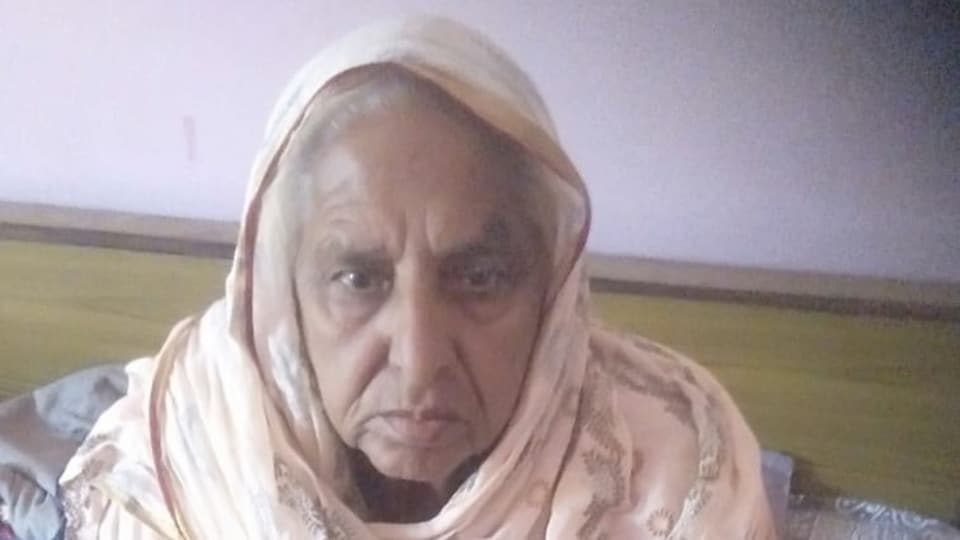
Kewal Kaur had reportedly been suffering from chronic knee pain for several years, which had significantly affected her mobility and daily activities. Family members said her condition had worsened over time, making it difficult for her to walk without assistance.
The surgery was conducted on April 17 at the Punjab Institute of Medical Sciences (PIMS) in Jalandhar. According to hospital sources, the procedure, which typically costs around ₹1.5 lakh in private facilities, was covered under the scheme. The operation was performed by Dr. Anit Sachar and his team and lasted approximately two hours.
Her son, Mandeep Singh, a farmer, said the family had consulted multiple doctors over the past few years and explored various treatments before opting for surgery. “We came to know about the scheme through a newspaper and applied for a health card. After completing the required formalities, the surgery was scheduled,” he said.
Post-surgery, Kewal Kaur is currently recovering. Family members stated that while she is still undergoing post-operative care, her condition has shown improvement compared to before the procedure.
According to Mandeep Singh, apart from initial diagnostic tests costing around ₹2,400, the treatment was largely covered under the scheme. He added that several other patients from districts including Mohali and Hoshiarpur had also undergone similar procedures at the hospital under the same programme.
The Mukh Mantri Sehat Yojana provides cashless medical treatment coverage of up to ₹10 lakh per family annually at empanelled hospitals. The scheme is aimed at reducing out-of-pocket healthcare expenditure, particularly for low- and middle-income households.
Punjab has, in recent years, expanded its public health coverage through such initiatives, with a focus on increasing access to secondary and tertiary care services in both government and private empanelled institutions.
Officials said procedures such as joint replacements, cardiac interventions, and other major treatments are included under the scheme’s coverage, subject to eligibility and hospital empanelment.
For families like Kewal Kaur’s, access to such programmes has reduced the financial burden associated with major medical procedures while enabling timely treatment.


