
 E-Paper



Punjab cancer patients access cashless treatment amid rising death toll
As Punjab faces a growing cancer crisis, the Mukhya Mantri Sehat Yojna offers crucial financial support for treatment, allowing patients to go cashless.

 Prefer HTon Google


As Punjab battles a rising cancer death toll, the state’s Mukhya Mantri Sehat Yojna is providing a financial lifeline for families, covering expensive, life-saving oncology treatments that many residents can no longer afford.
Baljit Kaur, a 65-year-old resident of Patiala, successfully completed an intensive cancer treatment regimen, including surgery and chemotherapy, through the Punjab government’s state health scheme. Her son, Gurpinder Jeet Singh, a local driver, reported that the scheme covered nearly all of the estimated ₹8 to ₹10 lakh in medical expenses, which otherwise would have been unaffordable for the family.
The scheme provided cashless treatment, allowing Baljit Kaur to undergo 12 chemotherapy sessions and an intensive eight-hour surgery. While some auxiliary medicines were purchased out-of-pocket, the bulk of the financial burden was eased,Gurpinder stated, as per a press release.
The growing cancer burden in Punjab
The relief felt by families like Gurpinder’s comes against a backdrop of a mounting health crisis. According to data shared by the Union Ministry of Health and Family Welfare in the Rajya Sabha and reported by HT earlier, Punjab recorded approximately 70 cancer deaths every day in 2025, totalling nearly 25,000 fatalities for the year, which is a significant rise from 22,786 in 2021.
The data points to a trend of increasing female cancer patients, with over 13,000 women succumbing to the disease over the past five years. Breast cancer remains the leading cause of these fatalities. Medical experts, including Dr Raja Paramjit Singh of Government Medical College, Patiala, have noted a worrying pattern of earlier onset in younger women, identifying risk factors such as sedentary lifestyles and late menopause. Environmental factors, including industrial pollution and contaminated water sources, have also been cited by the Indian Council of Medical Research (ICMR) as contributing to the rise in certain cancer types.
Institutional support and systemic challenges
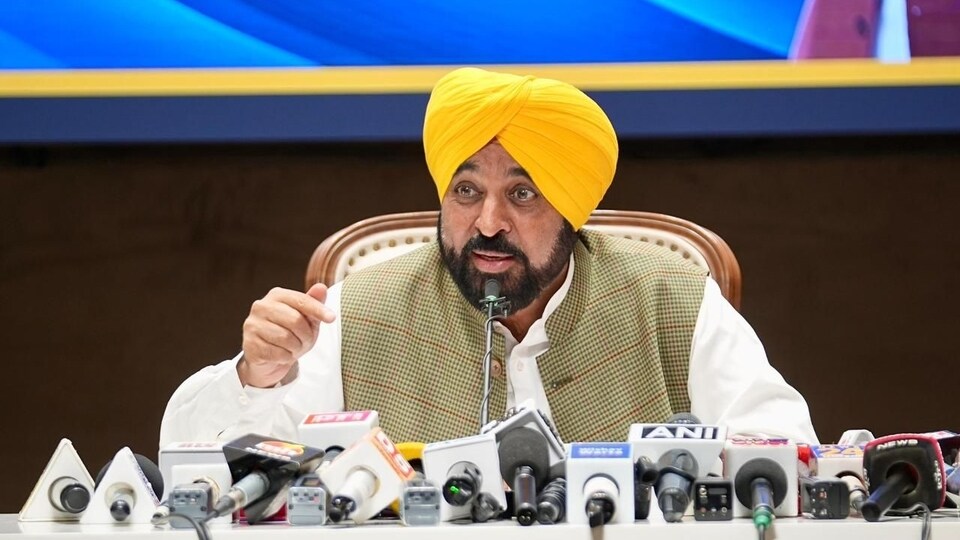
To combat this, the Punjab government and central authorities have been scaling up oncology infrastructure. Chief Minister Bhagwant Mann recently conducted a surprise inspection of the Advanced Cancer Institute at Baba Farid University of Health Sciences (BFUHS) in Bathinda. According to a PTI report, the CM emphasized "hand-holding" to transform the facility into a premier healthcare centre, announcing the introduction of robotic surgery and efforts to address staffing shortages.
Similarly, the Mukhya Mantri Sehat Yojna has emerged as a cornerstone of the state's welfare strategy. Offering cashless coverage of up to ₹10 lakh per family annually, the scheme has already issued over 9 lakh cards and is accepted in more than 900 hospitals. HT previously reported that even among the state's oldest citizens, such as a 98-year-old patient in Moga, the scheme has ensured that medical decisions are dictated by clinical needs rather than financial constraints.
However, the path to seamless healthcare is not without friction. A recent ruling by the District Consumer Disputes Redressal Commission-II in Chandigarh shed a spotlight on ongoing administrative hurdles. The commission directed the state government to reimburse a retired deputy district attorney for his prostate cancer treatment, ruling that limiting medical claims without the patient’s informed consent of policy restrictions constitutes a "deficiency in service."
As Punjab continues to address the high incidence of cancer in the state, its strategy remains a combination of expanding high-tech infrastructure (such as the six Tata Memorial Centre-affiliated hospitals in the region) and ensuring that welfare schemes effectively bridge the gap between diagnosis and treatment.


