
 E-Paper



Punjab’s Mukh Mantri Sehat Yojana helps save 62-year-old woman after blood sugar level spikes to 550
A 62-year-old woman from Punjab received emergency treatment under the Mukh Mantri Sehat Yojana after her blood sugar level rose to 550 mg/dL.

 Prefer HTon Google


A 62-year-old woman battling diabetes and hypertension for nearly 15 to 16 years survived a life-threatening medical emergency after receiving timely treatment under the Punjab government’s Mukh Mantri Sehat Yojana, doctors said on Thursday.
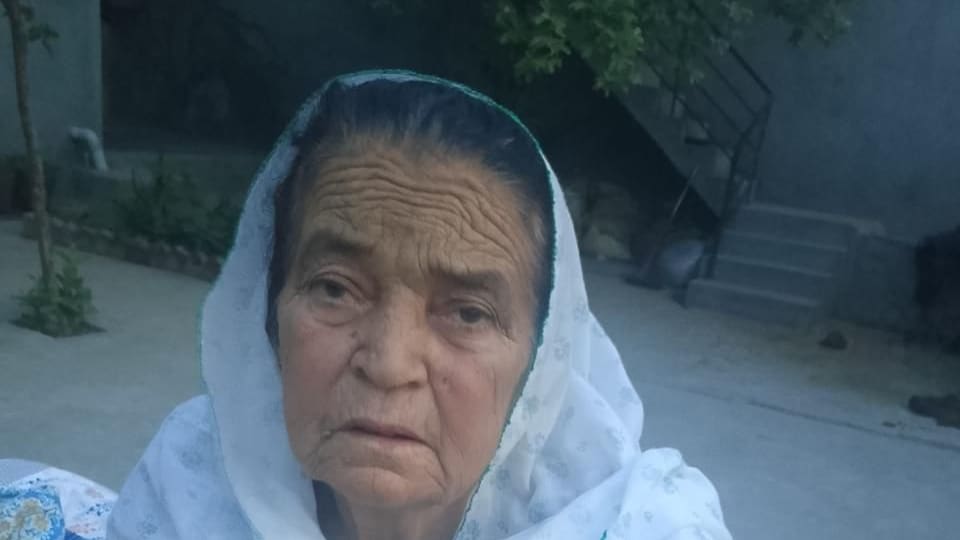
Bhur Kaur was admitted to Kashmiri Heart Care Centre in Sunam, Sangrur, after her blood sugar suddenly rose to 550 mg/dL, leaving her unconscious and in critical condition.
Sudden medical emergency
According to family members, Bhur Kaur had been living with diabetes and hypertension for over a decade and a half. Her condition was being managed through medicines, routine check-ups and precautions.
However, her health suddenly deteriorated and she collapsed.
Her daughter-in-law Paramjeet recalled the panic within the family.
“We were just praying and running at the same time,” she said. “There was no thinking, only panic.”
Her son Harpal, who serves as a Pathi at a Gurdwara, described the incident as deeply traumatic for the family.
Doctors describe critical condition
At Kashmiri Heart Care Centre, doctors said Bhur Kaur was brought in with diabetic ketoacidosis, severe infection and acute respiratory failure.
Dr Anshuman Phull, Clinical Cardiologist and Managing Director, said, “Bhur Kaur was brought in a critically unstable condition with Diabetic Ketoacidosis, severe infection, and acute respiratory failure. Her oxygen levels were falling, her heart was unstable, and she had entered a dangerous metabolic imbalance.”
Doctors said the blood sugar level of 550 mg/dL had triggered severe dehydration, electrolyte imbalance and stress on vital organs. The situation later progressed towards sepsis.
“In such cases, every hour matters,” Dr Anshuman Phull said. “Sometimes even minutes decide survival.”
Intensive treatment inside ICU
Doctors immediately shifted the patient to the ICU, where she received oxygen support, IV insulin, antibiotics, fluids, electrolyte correction and continuous monitoring.
“During the first hours, the focus was only on stabilising life,” Dr Anshuman Phull said. “We were treating breathing failure, infection, and metabolic collapse at the same time.”
Family members waited outside the ICU while doctors monitored her condition closely.
Signs of recovery after three days
Doctors said signs of recovery began appearing by the third day. Her oxygen levels improved, infection markers started falling and her body responded to treatment.
The biggest relief came when she regained consciousness.
“It was the first real moment of relief,” the doctor said. “We knew she was coming back.”
Role of Mukh Mantri Sehat Yojana
Doctors said the Mukh Mantri Sehat Yojana ensured there was no delay in emergency treatment.
“In emergencies like this, delay can cost a life,” Dr Anshuman Phull said. “Because the patient was covered under the scheme, ICU care and emergency treatment began immediately.”
Doctors said immediate treatment is often critical in determining survival in such cases.
Now recovering, Bhur Kaur expressed gratitude to doctors and the government.
“I do not remember everything,” she said. “But I know I was very serious. I am thankful to the doctors and the government. Because of the Sehat Card, I am alive today.”


