
 E-Paper



Should You Have More Than One Credit Card? Know the Pros, Cons and Usage Tips
Understanding your spending habits and responsibly managing credit utilisation is key to maximising benefits without falling into debt.

 Prefer HTon Google


For many people, owning a single credit card feels sufficient. It helps manage everyday expenses, offers a convenient payment option, and when used responsibly, can even help build a healthy credit history. However, as your spending patterns evolve, you may wonder whether having more than one credit card makes financial sense. The answer isn’t a simple yes or no. While multiple credit cards can offer greater flexibility and rewards, they also require disciplined financial management. The key lies in understanding how to use them wisely rather than simply increasing the number of cards in your wallet.
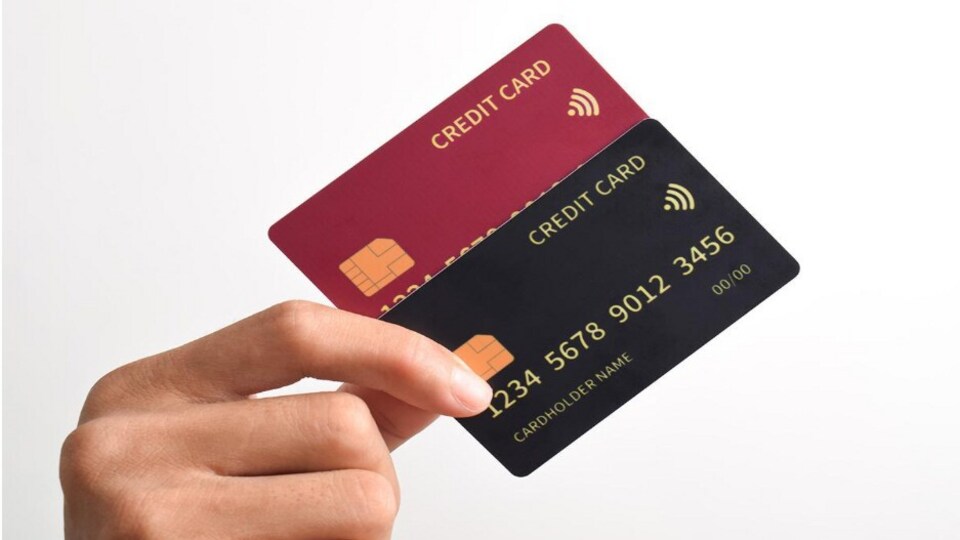
Here’s a closer look at the advantages, potential drawbacks and best practices for managing multiple credit cards.
Is It Okay to Have More Than One Credit Card?
Yes. There is no rule that says you should own only one credit card. In fact, many individuals maintain multiple cards to maximise rewards, separate different types of expenses or access benefits tailored to their lifestyle. What matters more than the number of cards is how responsibly you manage them. Paying bills on time, keeping your credit utilisation in check and avoiding unnecessary debt remain far more important than the number of cards you own.
Benefits of Having Multiple Credit Cards
Maximise Rewards Across Different Categories
Different credit cards are designed for different spending habits. One card may offer higher rewards on groceries, another on travel, while another may provide better cashback on online shopping or dining. Using the right card for the right purchase allows you to make the most of the benefits available without changing your spending habits.
Better Credit Utilisation
Your credit utilisation ratio is the percentage of your available credit limit that you use. A lower utilisation ratio is generally viewed positively by lenders.
For example, if you have one credit card with a ₹1 lakh limit and spend ₹50,000, your utilisation is 50%. If the same spending is distributed across two cards with a combined limit of ₹2 lakh, your utilisation drops to 25%, which may have a positive impact on your credit profile when managed responsibly.
Backup During Emergencies
There may be situations where one card isn’t accepted due to network issues, temporary technical problems or international usage restrictions. Having another active credit card can provide peace of mind during emergencies, travel or unexpected expenses.
Access to More Lifestyle Benefits
Many premium credit cards offer benefits beyond reward points. Depending on the card, you may enjoy airport lounge access, complimentary movie tickets, dining offers, fuel surcharge waivers, golf privileges, travel insurance or merchant discounts.
Things to Consider Before Applying for Another Credit Card
While multiple cards have their advantages, they also come with added responsibilities.
Managing Payment Due Dates
Each credit card has its own billing cycle and payment due date. Missing even one payment can lead to interest charges, late payment fees and may affect your credit score. Setting up automatic payments or reminders can help you stay on top of your repayments.
Annual Fees
Some credit cards charge annual or joining fees. Before applying for another card, evaluate whether the benefits outweigh the associated costs. In many cases, choosing a card simply because of an attractive welcome offer may not provide long-term value.
Overspending
One of the biggest risks of having multiple credit cards is the temptation to spend beyond your repayment capacity. Remember that a higher combined credit limit doesn’t mean you should increase your monthly expenses. Borrow only what you can comfortably repay within the billing cycle.
How Many Credit Cards Are Too Many?
There is no ideal number that works for everyone. For someone who wants to keep finances simple, one or two credit cards may be sufficient. Others with varied spending habits may find it useful to maintain separate cards for travel, shopping, fuel or business expenses.
Instead of focusing on the number of cards, ask yourself:
- Can I pay every bill in full and on time?
- Am I applying for cards because I need them or simply because they’re available?
- Will the new card add meaningful value to my spending?
If the answer to these questions is yes, another credit card may be worth considering.
Tips for Managing Multiple Credit Cards Effectively
Use Each Card for a Specific Purpose
Assigning each card to a particular spending category can make tracking expenses easier.
For example, you might use one card for travel bookings, another for groceries and everyday shopping, and another for dining or entertainment.
Pay Your Outstanding Balance in Full
Carrying forward balances can quickly lead to high interest charges, reducing the value of any rewards you’ve earned. Paying your statement balance in full each month remains one of the best habits for responsible credit card usage.
Review Your Statements Regularly
Checking your monthly statements helps you identify unauthorised transactions, monitor spending and understand whether you’re fully utilising your card’s benefits.
Avoid Frequent Applications
Every credit card application may result in a hard enquiry on your credit report. Applying for multiple cards within a short period can temporarily affect your credit profile and may also reduce your chances of approval. Apply only when there’s a genuine need.
Choosing the Right Credit Cards Matters
Not all credit cards are designed for the same purpose. Before applying, compare factors such as annual fees, reward structure, welcome benefits, spending categories, interest rates and additional privileges.
Many banks today offer a diverse range of credit cards tailored to different lifestyles, whether your focus is shopping, travel, dining, entertainment or everyday spending. Exploring these options carefully can help you select a card that complements your financial habits rather than simply increasing the number of cards you own. For example, the IndusInd Bank Credit Card portfolio includes cards catering to varied lifestyle preferences, allowing customers to choose benefits that align with their spending patterns instead of adopting a one-size-fits-all approach.
The Right Number Is the One You Can Manage
Owning multiple credit cards isn’t inherently good or bad. The real difference lies in how you use them. If each card serves a clear purpose, your payments are always made on time and you avoid unnecessary debt, multiple credit cards can help you enjoy greater convenience, improved rewards and better financial flexibility.
Before applying for another card, take a moment to evaluate your spending habits and repayment capacity. A well-planned credit card strategy isn’t about collecting more cards—it’s about choosing the right ones and using them responsibly.
Note to the Reader: This article is part of Hindustan Times' promotional consumer connect initiative and is independently created by the brand. Hindustan Times assumes no editorial responsibility for the content.
The content may be for information and awareness purposes and does not constitute any financial advice.


