
 E-Paper



Zero Brokerage Models Expand Rapidly as Trading Costs Fall for Retail Investors
The shift to zero brokerage models in India is changing retail investing dynamics. With lower costs and improved technology, investors can diversify.

 Prefer HTon Google


Over the past few years, the Indian stock market has seen a clear improvement in how retail investors participate. One of the major changes across the industry is the rapid growth of zero brokerage models. These models are changing how we invest by making trading more affordable, easy to use, and accessible for all experience levels. From first-timers to seasoned users, lower trading costs have made a real difference in how people approach investing today.
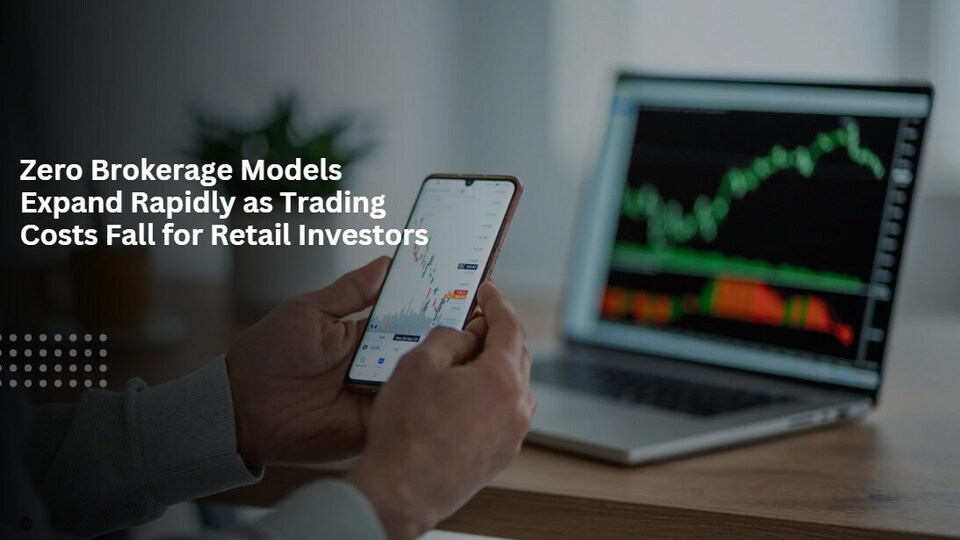
This article explains why zero brokerage models are gaining popularity, how they work in practice, and why they are considered a strong and reliable option in a fast-changing space.
Lower Entry Barriers for New Investors
Traditionally, brokerage charges acted as a barrier for many retail investors. High costs often reduce profits, especially for small and frequent trades. Nowadays, this has changed. With digital platforms offering transparent pricing and simplified processes, more people are choosing to open Demat account online and start their investment journey.
As more people use online platforms, account openings have become smooth and quick. The process usually covers everything needed, from KYC to portfolio access, in one place. This complete solution makes it easier to use, even for those with no prior experience. In simple terms, investing no longer feels complex or intimidating.
What is Driving the Rise of Zero Brokerage Models?
Zero brokerage models remove or significantly reduce transaction fees on equity delivery and, in many cases, other segments as well. This is a major shift compared to traditional pricing structures. The main benefits are clear:
- Cost Savings: Investors retain a higher percentage of their returns, which helps portfolios grow over time.
- Flexibility: These models are designed to work for different needs, whether an individual trades occasionally or on a regular basis.
- Ease of use: Platforms are designed to feel natural to use, with clear dashboards and simple tools.
- Scalability: As demand grows, these systems can easily adjust and support more users.
Impact on Trading Behaviour
In practice, zero brokerage has changed how we trade. Many times, investors avoided small trades earlier because costs were too high. Now, with reduced fees, diversification becomes more practical. People can spread investments across sectors and asset types without extra pressure on costs.
By contrast, traditional models often limited flexibility. Today, new tools and the latest tech allow investors to analyse data, track performance, and make informed decisions. This improved experience is important, especially as markets remain dynamic.
It is worth noting that zero brokerage does not mean fewer features. Many platforms offer detailed research, smooth compatibility across devices, and effective risk management tools. These factors matter because they enable better decision-making and help investors access useful insights.
A Broader Industry Shift
Across the industry, zero brokerage is seen as a clear improvement rather than a temporary trend. As things keep changing, platforms are focusing on value-added services instead of relying only on fees. This includes education, market updates, and user support.
In many ways, this approach is more sustainable. It matches the plan of modern investors who expect transparency and fairness. Overall, it feels like a complete and reliable model that can grow with demand.
Points Investors Should Keep in Mind
Even so, investors should still review platform features carefully. While costs are lower, factors such as technology stability, customer support, and regulatory compliance remain very important. A zero brokerage model works when combined with a strong system that is ready for the future.
For all experience levels, understanding product terms and market risks is essential. In short, lower costs help, but informed decisions make the real impact.
Looking Ahead
Going ahead, zero brokerage models are likely to expand further as people rely more on online platforms. This change is not just about saving money; it is about improving access and making investing more inclusive. In a fast-changing space, such models represent something new and useful for retail participation.
Before concluding, it is also important to highlight the growing demand for a zero brokerage trading account, which many investors now see as a practical choice for long-term and short-term strategies alike.
Conclusion
In the end, zero brokerage models have changed how we approach investing today. They offer many benefits, make trading easier to use, and support investors at every stage. Platforms like BlinkX stand out by offering a smooth, reliable, and complete experience that aligns with modern needs.
Note to readers: This article is part of HT's paid consumer connect initiative and is independently created by the brand. HT assumes no editorial responsibility for the content, including its accuracy, completeness, or any errors or omissions. Readers are advised to verify all information independently.
Want to get your story featured as above? click here!


