
 E-Paper



Forest dept digs five water pits in Aravallis for wildlife
The forest department has dug five new water pits in Rojka Gujjar near Bandhwari (Gurgaon-faridabad Road) and in Mandawar forest areas.


With the numbers of sightings of wildlife increasing in the Aravallis, steps are under way to dig pits in forest areas to provide animals easy access to water during the winter.
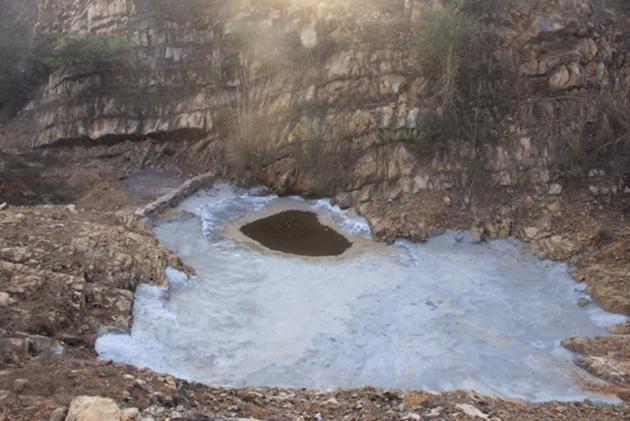
The forest department has dug five new water pits in Rojka Gujjar near Bandhwari (Gurgaon-faridabad Road) and in Mandawar forest areas.
Forest officials said the Aravallis tends to dry up faster during the winter because of less rainfall. The sandy soil also makes it difficult to hold water.
“We have dug two pits in Mandawar and three pits in Rojka Gujjar area where sightings of wildlife have increased. We are in the process of preparing for the summer season. The rocky and sandy areas of the Aravallis fail to retain water for a long time. Apart from protecting the wildlife, proving them with water is also a necessary step,” said MD Sihna, conservator of forest, south Haryana circle.
The department has also filled up the pits with water and is planning to dig five to six pits in every district so that the animals do not wander outside the forest area.
Prime locations such as Mahendergarh, Bhindawas, Nahar and Mewla Maharajpur, where a number of animals have been spotted, are also part of the project, the forest department officials said.
Last summer, the department has dug over 20 such pits, about two to three-foot deep. The pits were dug at important locations around the Dumduma Lake along the Bandhwari stretch. The pits were made inside the forest, away from villages, so that domestic animals do not flock there.
The department said it is taking all precaution after man-animal conflicts were reported in Mandawar and Malaka vilalges.
In Mandawar a three-and-a-half-year-old male leopard was beaten to death by the villagers after it strayed into the village, while, in Malaka, a male leopard was captured by the forest department and let off into the wild.
The Wildlife Institute of India (WII) is also conducting a survey in the area to identify the core carnivore species of the Aravallis. The results of the survey are yet to come.
When asked about the survey, Bilal Habib, researcher, WII, said, “We are still working on the report and by the end of this month, we will be able to share details of wildlife presence in the Aravallis.”

Stay updated with all the Breaking News and Latest News from Mumbai. Click here for comprehensive coverage of top Cities including Bengaluru, Delhi, Hyderabad, and more across India along with Stay informed on the latest happenings in World News.


