
 E-Paper



Four-fold hike in fine likely for water stagnation in Gurgaon
Owing to a surge in the number of dengue and Chickungunya cases, health department officials have recommended that the Municipal Corporation of Gurgaon increase fines for allowing water to stagnate, by four times, from Rs 500 to Rs 2000’.


Owing to a surge in the number of dengue and Chickungunya cases, health department officials have recommended that the Municipal Corporation of Gurgaon (MCG) increase fines for allowing water stagnation, by four times, from Rs 500 to Rs 2000’.
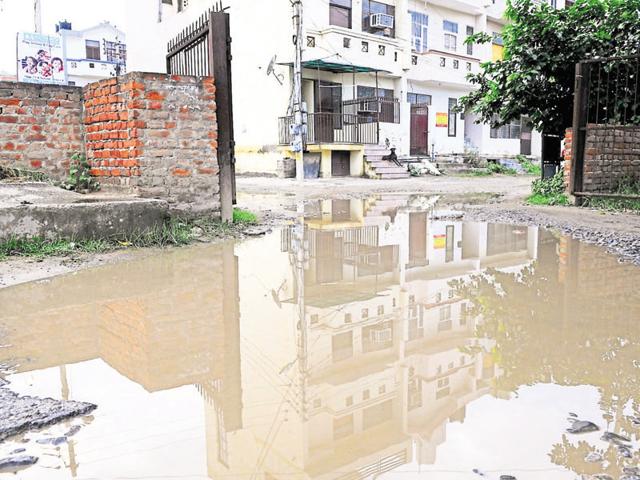
The health department mooted this proposal after conceding that preventive measures such as mixing eucalyptus oil for killing larvae, releasing gambusia fish in stagnant water for eating mosquito larvae and fumigation
drives have had only a marginal effect in reducing these infections.
A senior health department official said: “Once the proposal is implemented, things may improve as people do not mind paying Rs 500 these days. The increase in fine is needed to curb and deter people from letting mosquito breed.”
Following incessant rainfall over the past few weeks, several areas in the city are waterlogged and have become breeding grounds for mosquitoes.
Twenty-eight cases of dengue were registered in the last two weeks alone, an average of two new cases every day.
Till July 31 not even a single case of Chickungunya was reported to the health department. But private hospitals and practioners are now reporting nearly 50 suspected cases daily, as patients develop high fever, rashes and joint pains- common symptoms of the infection.
As per instructions issued for the prevention of water-borne infections, people have been advised to clean coolers, pots and other utensils and not let water stagnate.
Dengue-causing aedes aegypti mosquitoes breed in stagnant water.
The MCG and health department have also issued more than 150 notices to various establishments after finding mosquito breeding sites in their vicinity. These include construction sites, residences, tyre-shops and swimming pools.
Last year, the city recorded a three-year high in dengue cases, with the district health department registering 459 cases. As many as 375 cases were reported in 2012, 175 in 2013, and 86 in 2014.

Stay updated with all the Breaking News and Latest News from Mumbai. Click here for comprehensive coverage of top Cities including Bengaluru, Delhi, Hyderabad, and more across India along with Stay informed on the latest happenings in World News.


