
 E-Paper



Gurgaon executives take to theatre to unwind, perform better
As theatre is increasingly being identified as a means to boost creativity, improve communication and team work in corporate firms, more number of executives in the city are taking to acting.

 Prefer HTon Google


As theatre is increasingly being identified as a means to boost creativity, improve communication and team work in corporate firms, more number of executives in the city are taking to acting.
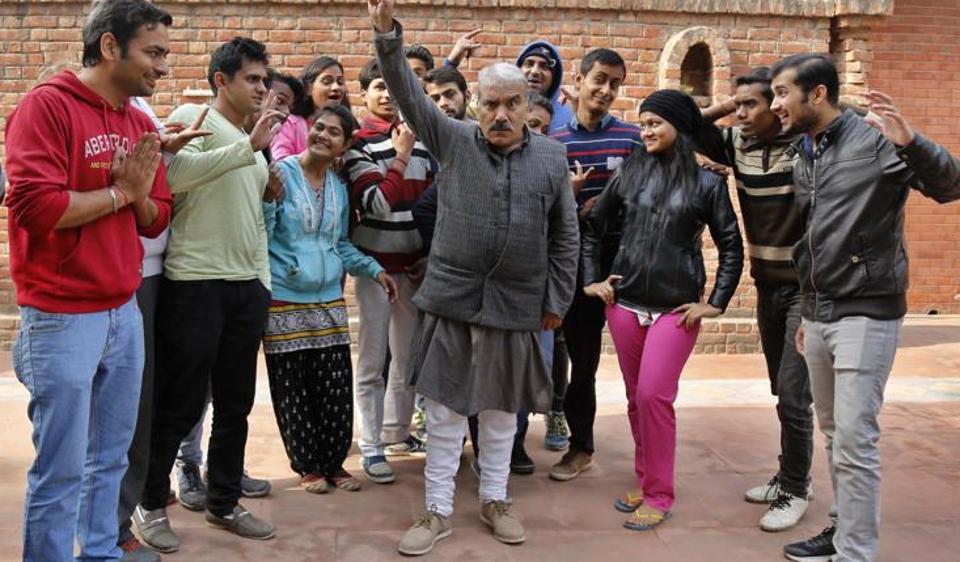
The executives are not lining up to become actors but to learn life skills that can be used to improve personal and professional life.
Experts said theatre scores over routine instructional training because it breaks the monotony of classroom learning and touches the subconscious. “Executives work in a very complex environment and when overloaded with information, they switch off. Theatre helps in experiencing things, feeling emotions and in remaining detached,” Mishti Verma, founder of Inner Katha, and a corporate trainer and therapist, said.
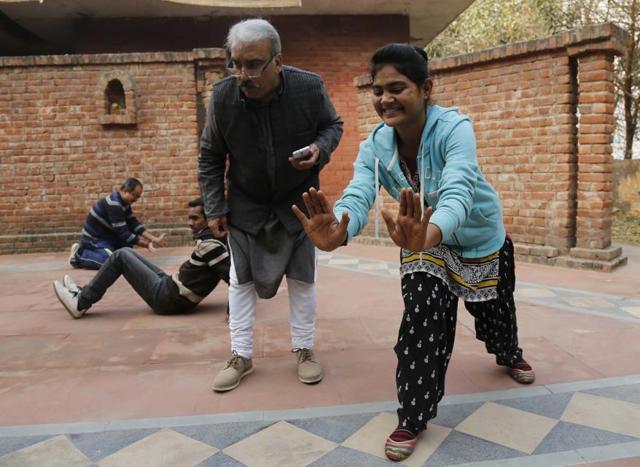
At Kalasthali in Gurgaon, Ashutosh Shelat, a theatre expert, uses method acting, stage craft, rotational role playing and role reversal to help executives connect with themselves, shed inhibitions and communicate better. “To give a chance to professionals to learn theatre, we created ‘Theatre Action Group’ that has got a good response. More than 1,500 people, particularly corporate executives, are now actively learning various facets of theatre,” he said.
Maynard Leigh, a corporate firm engaged in theatre, held 1,100 workshops for top corporate executive across the country. “Most of the learning happens at the cerebral level, which leaves a gap that we fill with experiential learning using theatre. The goal is to create a space where co-workers complement one another to meet personal and organisational goals,” Varun Gupta, associate director with the firm, said. Issues such as leadership, communication, trust building, strategy and decision making are tackled at these workshops.
Corporate executives, who have participated in the theatre classes, said they have become more aware of their inner fears and the thoughts at the base level. Another positive, they said, is the ability to switch roles instantly, and form bonds with people, who were only seen as competitors earlier.
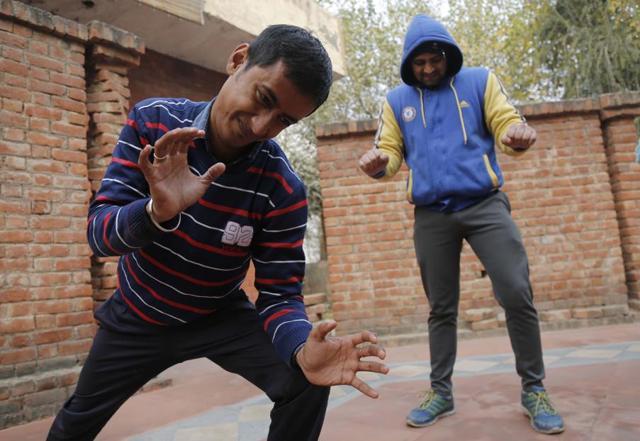
Anand Mittal, who works at a behavioural consultancy firm in Gurgaon, said theatre helps to experience different situations, evaluate life events, and make conscious decisions. “After going through the theatre exercises, I am able to handle complex environments and situations with ease. It is easier to switch roles, think laterally and build on different angles and stories, both on stage in real life ,” he said.
Experts said dabbling in different forms of theatre improves the ability to manage and handle constraints -- a key requirement in a corporate job.
Participants also said experimentation happens in a safe and controlled environment in which several opposing situations can be analysed. “I have been interested in fine arts since childhood and theatre is an extension that is helping me in identifying my strengths and weaknesses,” Komal Tevathia, an educationist, said.


