
 E-Paper



Beyond starvation: How drought sickens insidiously


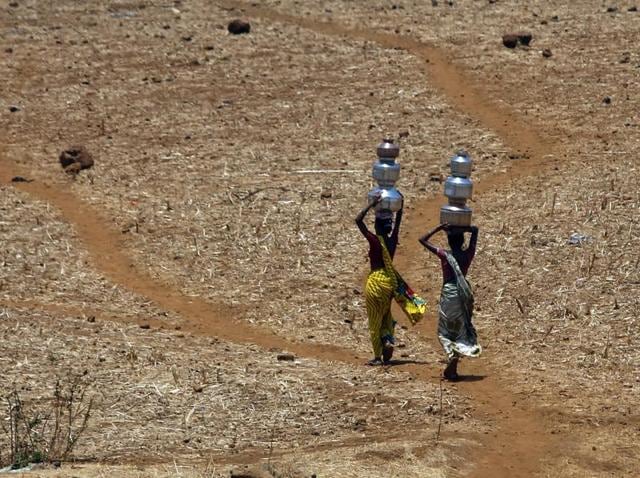
Dust, fly ash and carbon from forest fires irritate and constrict the airways passages to aggravate chronic lung illnesses such as pneumonia and asthma worse.
The wildfires in Uttrakhand did more than destroy 3,000 acres of forests. They spewed carbon and toxic gases that choke lungs and add to global warming. Drought in all the 13 districts in the mountain state has raised the risk of wildfires, just as it has made dust storms a part of life across north India.
Suspended particulate matter (SPM) in the form of dust, fly ash and carbon irritate and constrict the airways passages to aggravate chronic lung illnesses such as pneumonia and asthma worse, raise the risk for infections such as bronchitis and pneumonia, and use irreversible lung damage.
Lung disorders

Forest fires account for 30% of the world’s greenhouse gasses – such as carbon dioxide, methane and nitrous oxide – that trap heat on the earth’s surface and cause global warming. While using fossil fuels like such as petrol and diesel spew 5.6 gigatons of carbon into the atmosphere each year, burning biomass –wood, vegetation, crop stubble, undergrowth, among others – adds another 2.4 gigatone, shows data from the Earth Observatory.
Apart from carbon, biomass burning releases methane, which is 20 times more effective than carbon in trapping heat. It asphyxiates by displacing oxygen in the air, leading to breathlessness, dizziness, headaches, nausea and vomiting. Fires account for 2-3% of the nitrous oxide associated with the production of troposphere “bad” ozone, which causes lung tissue damage.
Heat stress
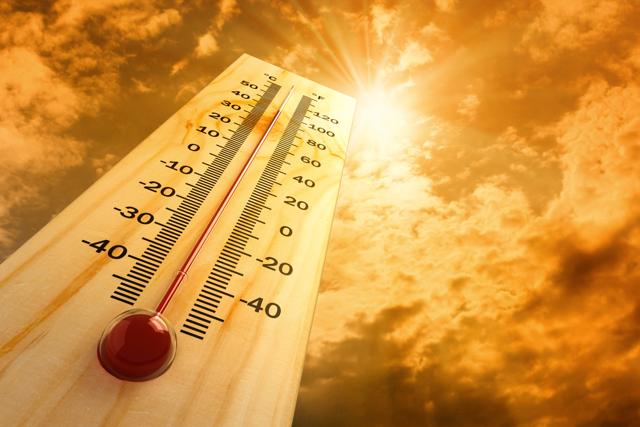
The obvious fallout of hot, dry weather is dehydration and heatstroke, with young children, people over 65 years and people with chronic diseases such as heart disease, kidney problem and uncontrolled diabetes being at most risk of hospitalizations and deaths.
Drought-hit areas tend to have higher dust and pollen suspended in the air, which worsens chronic respiratory problems, such as asthma, and lung infections such as pneumonia. Fungal spores in the soil that become airbourne in dry weather add to cases of fever and muscle pain when inhaled.
Water diseases
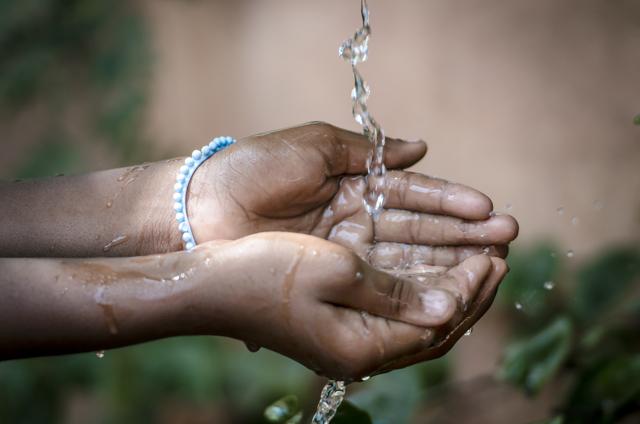
With the majority of India’s reservoirs, rivers, ponds, groundwater etc being rain-fed, drought conditions dry up or shrink fresh water sources for more than half of the population. Water scarcity during droughts causes pooling and stagnation in rivers and lakes, which lowers water quality and makes stomach infections (E. coli and H. pylori, among others) common summer ailments across India. Diarrhoea is the third biggest cause of death in children in India, killing one in eight children under five each year.
Hygiene and sanitation deteriorate in times of drought, causing outbreaks of infections such typhoid, jaundice (waterborne hepatitis E) and trachoma, an eye infection that can cause blindness. Storing water in containers for drinking in times of scarcity is increasing making human habitat ground zero for outbreaks for diseases caused by mosquitoes that breed in fresh water, like the dengue-spreading aedes egypti and malaria-spreading anopheles.
Malnutrition

Drought, coupled with erratic and variable rain patterns, lowers crop yield in rain-fed fields and increases infestations, pushing scores of farmers to suicide and hundreds of thousands to penury. Crop failure causes shortages and raises food prices, making it unaffordable for millions.
An analysis of 87 studies on the health effects of drought showed that food shortages add to malnutrition, wasting and stunting.
Agricultural disasters triggers mass migrations, with farmers heading to urban centres in search for work. Most end up living in slums in sub-human conditions, which adds causes frequent illnesses and aggravates malnutrition.
Living, thriving
Already, air, water and soil pollution, chemical exposures, climate change and ultraviolet radiation contribute to more than 100 diseases and injuries, estimated the World Health Organisation (WHO) in 2016. Globally, nearly one in four deaths in 2012 -- 12.6 million people – were caused from living or working in an unhealthy environment.
More than 50 million people affected by drought globally in 2011, estimates international disaster database EM-DAT , with India amongst the worst hit. Unless India makes water management and harvesting a social and economic priority, the drought-like conditions are likely to add to the many other diseases sickening the nation.

Catch your daily dose of Fashion, Taylor Swift, Health, Festivals, Travel, Relationship, Recipe and all the other Latest Lifestyle News on Hindustan Times Website and APPs.


