
 E-Paper



3 in 5 babies not breastfed in 1st hour of life: Report

 Prefer HTon Google


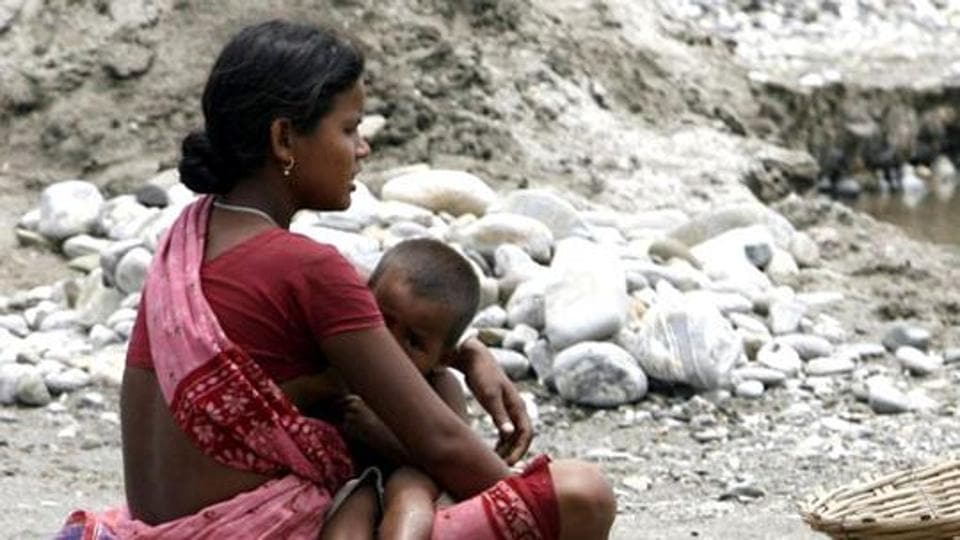
Improving breastfeeding practices could save lives of over 800,000 children under five every year, according to a Unicef report.
An estimated 7.8 crore newborns – or three in five – worldwide are not breastfed within their first hour of life. This lowers their chance of survival and meeting their growth, developmental and intellectual potential, according to a new Unicef and World Health Organization (WHO) report.
Most of these newborns are born in low-and-middle-income countries, including India, where 41.5% of the 2.6 crore babies born every year get breastfed within the first critical hour of birth, said the report, released on the eve of World Breastfeeding Week from August 1-7.
Around 41.5% of children under three in India were breastfed within one hour of birth in 2015, said the report, up from 23.4% in 2005. The global increase during the same period was more modest, from 37% to 42%.
“India has shown progress by doubling early initiation within a decade. The life-saving protection of breastfeeding is particularly important in humanitarian settings,” said Unicef’s India representative, Yasmin Ali Haque.
“Skin-to-skin contact, along with suckling at the breast, stimulate the mother’s production of breastmilk, including colostrum, also called the baby’s ‘first vaccine’, which is extremely rich in nutrients and antibodies,” said Haque.
“Colostrum, the thick, sticky, yellowish milk mothers produce during the first few days after delivery provides essential nutrients as well as antibodies to boost a baby’s immune system. It protects a child from infections and reduces the risk of death by up to 22% in the first month of life,” said AIIMS’ gynaecology and obstetrics department professor and head, Dr Alka Kriplani.

Surprisingly, rising institutional births have no impact on increasing breastfeeding rates. Deliveries at health institutions grew by 18%, while early initiation rates increased by 6%, shows data from 58 countries between 2005 and 2017. Improving breastfeeding practices could save lives of over 800,000 children under five every year, according to a Unicef report.
“Babies exclusively breastfed for the first six months of life — with no other foods or liquids given, including water — have stronger immunity, fewer infections, higher intelligence, better nutritional status,” said Dr Kriplani.


