
 E-Paper



Breakthrough: Here’s why iron can worsen malaria infection
Researchers found that extra iron interferes with ferroportin, a protein that prevents a toxic build-up of iron in red blood cells and helps protect cells against malaria infection.


Scientists have found a possible explanation for why iron can sometimes worsen malaria infection, an advance that may lead to better treatments for the disease. By studying mice and samples from malaria patients, researchers found that extra iron interferes with ferroportin, a protein that prevents a toxic build-up of iron in red blood cells and helps protect these cells against malaria infection.
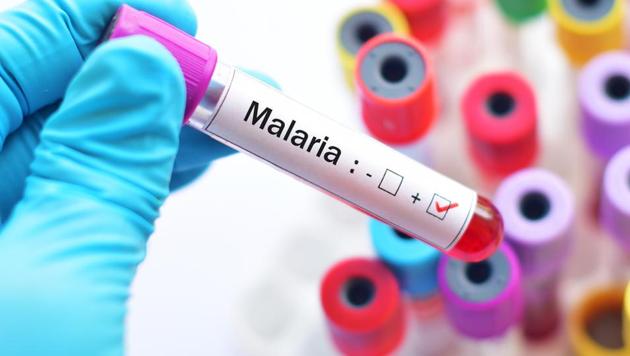
The researchers at the National Institutes of Health (NIH) in the US also found that a mutant form of ferroportin that occurs in African populations appears to protect against malaria. The findings, published in the journal Science, may help researchers and healthcare officials develop strategies to prevent and treat malaria infections, which numbered nearly 216 million worldwide in 2016.
“Our study helps solve a long-standing mystery,” said Tracey Rouault, a senior investigator at NIH. “Iron supplements can sometimes worsen malaria infection and, conversely, iron deficiency can be protective in some cases,” said Rouault.
“Our findings reveal that ferroportin — its function, as well as its regulation by iron levels — helps to explain these observations,” Rouault said. The study team found that red blood cells use ferroportin to remove excess iron, which malaria parasites consume as a food source.
In studies of mice, the team found that the absence of ferroportin in erythroid cells (red blood cells and their precursors) caused iron to accumulate to toxic levels inside red blood cells. This, in turn, stressed the cells and shortened their life span, researchers said. The team also found that mice lacking ferroportin had more parasites and worse outcomes when infected with malaria, compared to infected mice with intact ferroportin.
When they fed mice a high-iron diet, the researchers also found that a hormone called hepcidin regulates ferroportin in erythroid cells. The hormone, which is more abundant in high-iron environments, lowered ferroportin levels on erythroblasts (precursors to red blood cells) and, subsequently, in red blood cells. Additionally, hepcidin physically bound to ferroportin, preventing iron from being removed from the cells, researchers said.
Follow @htlifeandstyle for more

Catch your daily dose of Fashion, Taylor Swift, Health, Festivals, Travel, Relationship, Recipe and all the other Latest Lifestyle News on Hindustan Times Website and APPs.


