
 E-Paper



Celebrate Losar 2026 With 5 Wholesome And Delicious Tibetan Recipes You Can Easily Cook At Home
Celebrate your Losar 2026 with these healthy Tibetan recipes. Discover how you can make wholesome Amdo Bread, air-fried Khapse, tingmo and Vegan Guthuk at home.

 Prefer HTon Google


As the world approaches Losar 2026, the Year of the Fire Horse, the Tibetan calendar welcomes an alignment of energetic Horse symbolism and the purifying Fire element, following a time for bold beginnings and spiritual renewal. Central to these celebrations are wholesome and delicious Tibetan recipes that have sustained Himalayan communities for centuries. For practitioners, Losar is an 18-day festival where families engage in sacred rituals like sang (smoke offerings) and witness vibrant cham dances.
In Tibetan culture, food serves as protection against the harsh environment and a medium for sharing merit. During the Tibetan New Year rituals, as homes are cleaned to transition from the old to the new, the kitchen becomes the heart of purification. For weight watchers and health-conscious enthusiasts, Losar offers a unique opportunity to explore Tibetan dishes that are inherently nutrient-dense. Using whole grains like barley and wheat, and opting for steaming or air-frying rather than deep-frying is certainly a smart approach. You can eat to your heart’s content while honouring the spirit of the Fire Horse.
Healthy Homemade Tibetan Snacks You Can Prepare At Home For Losar 2026
Traditional Losar snacks like deep-fried pastries and heavy breads can be reinvented at home by using whole-grain flours and modern techniques like air-frying. These versions reduce oil consumption while preserving the authentic "Roof of the World" soul of the cuisine.
1. Baked Amdo Balep (Whole Wheat Tibetan Bread)
Amdo Bread is a rough, crusty staple from the north-eastern part of Tibet. This healthy version uses stone-ground whole wheat to add fibre, and it's baked in the oven to get a perfect golden top without using too much oil or frying.
Ingredients
- 1 ½ cups Whole Wheat Flour
- 1 ½ cups All-Purpose Flour
- 1 cup Warm Water
- 1 tsp Active Dry Yeast
- ½ tsp Sugar
- 1 tsp Salt
- 1 tbsp Olive Oil
- 4 tbsp Plain Yoghurt (optional for texture)
Step-by-Step Guide:
- Combine warm water and sugar, sprinkle yeast on top, and let stand for 10 minutes until foamy.
- In a separate bowl, mix the flours and salt together.
- Add the yeast mixture, oil, and yoghurt; knead for 5 minutes until a smooth dough forms.
- Cover and allow the dough to rise in a warm spot for 1–3 hours until doubled in size.
- Shape the dough into a 10-inch flat disk and let it rest for 15 minutes.
- Preheat the oven to 425°F (220°C).
- Bake for 25 minutes, flip the bread, and bake for another 15 minutes until it sounds hollow when tapped.
2. Air-Fried Khapse (Festive Crispy Pastries)
Khapse are the iconic cookies prepared for the Tibetan New Year. While they are traditionally deep-fried in large quantities of oil, this version uses Amarnath flour for a unique nutritional profile and an air fryer to achieve the signature crunch with minimal fat.
Ingredients
- 1 cup Amarnath flour
- 1 tbsp Sunflower oil
- 2 tbsp Jaggery (natural sweetener)
- ¼ cup Warm milk
- ¼ cup Warm water
Step-by-Step Guide:
- Whisk together the warm water, milk, jaggery, and oil.
- Gradually add the liquid to the flour to form a soft, pliable dough; let it rest for 10 minutes.
- Roll the dough to ¼ inch thickness and cut into strips.
- Twist the strips into "buri" shapes, resembling braids or ropes.
- Lightly brush or spray the shapes with a tiny amount of oil.
- Preheat the air fryer to 180°C (350°F) and cook for 8–12 minutes until golden brown.
3. Vegan Guthuk (Nine-Ingredient Fortune Soup)
Eaten on the eve of Losar, Guthuk features bhatsa (dough balls) containing "fortunes." This vegan version focuses on nine nutritious vegetables and sesame oil, creating a heart-healthy, warming broth that serves as a cornerstone of the celebration.
Ingredients
- 1 cup Whole wheat flour (for dough)
- 1 tbsp Sesame oil
- 3 tsp Grated ginger
- 1 Medium tomato, diced
- 5 Button mushrooms, diced
- 1 Each: Celery stalk, carrot, and radish (diced)
- 1 tsp Soy sauce
- 4 cups of water
Step-by-Step Guide:
- Knead flour, salt, and water into a dough. Shape some into small shells and others into large balls with "fortune" notes inside.
- Sauté ginger, tomatoes, and mushrooms in sesame oil in a large pot.
- Add the remaining vegetables and water; bring the mixture to a rolling boil.
- Gently drop the large fortune dumplings into the broth and cook for 2 minutes.
- Add the small shell noodles and soy sauce; boil the soup for 8 minutes until the dough floats.
4. Soft Chura Loenpa (Nutrient-Dense Cheese)
Chura is a high-protein soft cheese that is a staple in the Tibetan diet. By using low-fat buttermilk and yoghurt, one can create a tangy, probiotic-rich snack that supports digestion and provides essential nutrients for the festive season.
Ingredients
- 1 litre Cultured Buttermilk
- 250g Plain Yoghurt (thick and slightly sour)
- 1 pinch Salt (optional)
Step-by-Step Guide:
- Combine the buttermilk and yoghurt in a large pot.
- Heat the mixture slowly over low-to-medium heat, ensuring it does not reach a hard boil.
- Stir gently until the white curds fully separate from the greenish liquid whey.
- Turn off the heat once the separation is complete (approximately 15 minutes).
- Pour the mixture into a colander lined with cheesecloth to strain the liquid.
- Press the curds or hang the cloth for 1–2 hours until the desired consistency is achieved.
5. Multi-Grain Tingmo (Steamed Flower Buns)
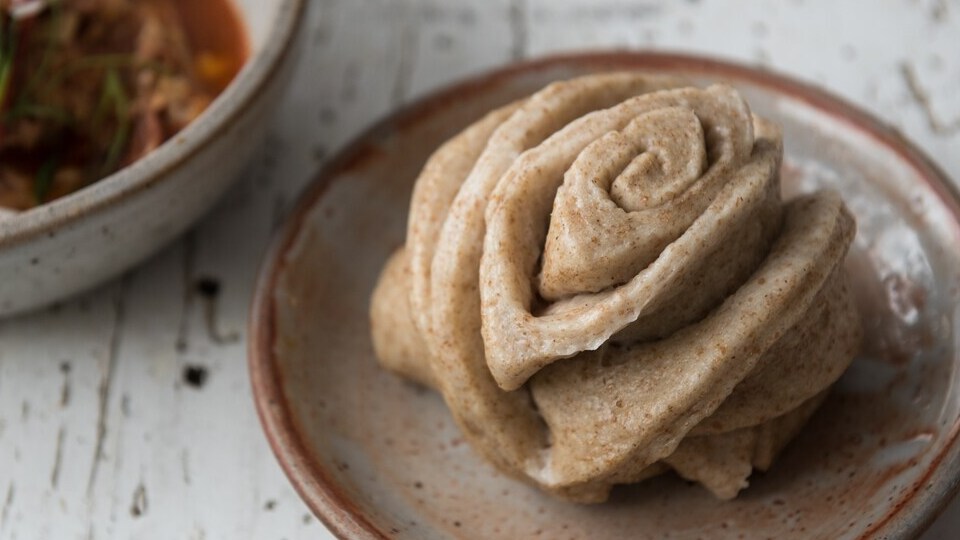
Tingmo are beautiful, twisted steamed buns that accompany many Tibetan meals. This wholesome version incorporates wheat germ and red whole wheat flour, resulting in a nutty, fibre-packed bread that pairs perfectly with festive stews.
Ingredients
- 2-3 cups Organic whole wheat flour
- 2 tbsp Wheat germ
- 1 tsp Dry active yeast
- 1 cup Warm water
- Turmeric or chilli powder
Step-by-Step Guide:
- Dissolve the yeast in warm water and let it sit for 10 minutes.
- Mix in the wheat germ and flour; knead for 10 minutes until the dough is soft and slightly sticky.
- Allow the dough to rise in a warm space for 2 hours.
- Roll the dough into a thin rectangle, fold into layers, and slice into equal pieces.
- Twist the slices into flower shapes and let them proof for another 30 minutes.
- Steam the buns over simmering water for 20–25 minutes until they are firm to the touch.
Celebrating Losar 2026 with these Tibetan recipes allows families to embrace the dynamic energy of the Fire Horse Year through mindful, healthy eating. By choosing whole grains and modern cooking methods, practitioners honour ancient traditions while supporting a contemporary, wellness-oriented lifestyle. These five dishes bring the warmth of the Himalayas into any home for an auspicious Tibetan New Year.
FAQs
Q. Why is Losar 2026 significant?
A. Losar 2026 represents the Year of the Fire Horse, a rare time of high energy, spiritual purification, and rapid karmic acceleration.
Q. Are these recipes good for Weight Watchers?
A. Yes, by using air-frying, steaming, and whole grains, these recipes provide traditional flavors with significantly lower calories and higher fiber.
Q. What is the "fortune" in Guthuk?
A. During the Tibetan New Year, small slips of paper with symbolic messages are hidden inside dough balls to predict one's year.

Catch your daily dose of Fashion, Health, Festivals, Travel, Relationship, Recipe and all the other Latest Lifestyle News on Hindustan Times Website and APPs.


