
 E-Paper



National dengue day: Is dengue increasing in India? Am I at risk?

 Prefer HTon Google


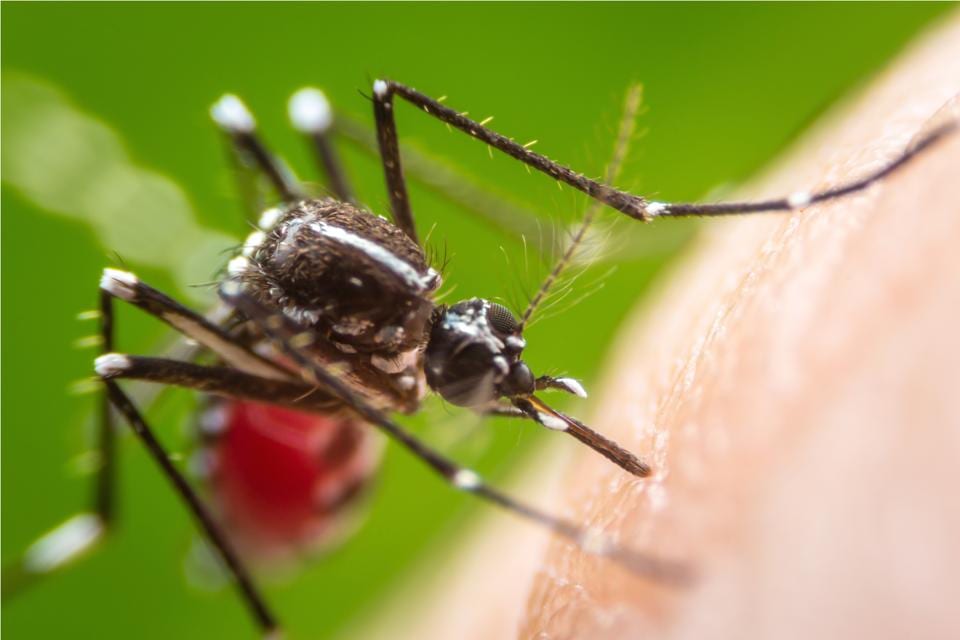
Confirmed dengue cases in India crossed 1 lakh for the first time last year, up from less than 30,000 cases in 2010. More people are getting diagnosed and treated is not the worry, what India needs is to focus on whether deaths from this manageable infection are increasing.
Confirmed dengue cases in India crossed 1 lakh for the first time last year, up from less than 30,000 cases in 2010. West Bengal, Punjab and Orissa were the worst hit states, with most of the outbreaks concentrated in western, southern and eastern India.
Are dengue cases rising are or more people getting diagnosed? Data shows it’s a bit of both. here’s what you need to know about the infection that causes outbreaks each year between July and October.
Dengue is a viral infection spread by the day-biting aedes aegypti mosquito that breeds in fresh water stored in containers or collected in and around people’s homes in urban and peri-urban areas.
The symptoms start within five to six days after a person’s bitten by an infected mosquito. Symptoms include high fever (<103 degrees Fahrenheit), severe headache, pain behind the eyes, joint and muscle pain, nausea and vomiting, abdominal cramps, bleeding from the gums, nose or ears, and rash.
Most people recover in a week to 10 days. The infection is treated symptomatically, with paracetamol prescribed for fever and pain and fluids to prevent dehydration.
Most dengue cases can be treated at home and less than 1% people -- those with low immunity or co-existing such as heart disease, diabetes, lung disease, pneumonia, to name a few -- risk complications that may need to be managed in hospital.
The goal of controlling outbreaks must be early detection for mosquito control, diagnosis of infection and management to ensure no complications and deaths occur.
Diagnosis
If you suspect you have dengue, you need to get two tests done.
Initial test: IgM and IgG tests detect dengue in the initial stages of infection, but since they trow up false positive and false negative results, a confirmatory test is needed. A positive IgG but a low or negative IgM, for example, indicates past dengue infection.
Confirmatory test: The NS1 Elisa-based antigen test is done after three days after symptoms -- fever body ache, headache or nausea – appear.
Platelets count: Platelets help the blood clot and stop bleeding. Very low levels – the normal range is between 150,000 and 450,000 platelets per microlitre of blood – lead to internal bleeding and shock, which results in death from multi-organ failure.
Less than 150,000: Get platelet count measured once in two days.
Less than 100,000: Platelet count must be done once a day.
Less than 60,000: Platelet count should be done twice a day. Also a daily test is needed if the rate of drop is 50% or more within 24 hours.
Less than 30,000 or if you’re bleeding: It’s a medical emergency, you need hospital admission.
Less than 10,000: Blood transfusion may be needed.
You need to rush to a hospital if you have:
Platelets count under 30,000.
Bleeding from the gums, nose, ears or blood in the stool or urine.
Severe abdominal pain.
Persistent vomiting.
Difficulty breathing
Rash, read spots on abdomen, arms
Treatment
Dengue has no cure, the fever and pain is treated with paracetamol. Don’t use aspirin as it may aggravate bleeding.
Platelet transfusion may be needed if platelets fall below 10,000 platelets per microlitre of blood.
Protecting yourself from dengue
Sanofi’s Dengvaxia vaccine against all four dengue strains available globally, but is awaiting regulatory approval in India.
Wear clothes that cover your arms and legs.
Use mosquito repellent sprays, creams, coils, mats or liquids to drive away mosquitoes.
Use screens on doors and windows.
Wear loose clothes that cover your arms and legs.
Keep your surroundings dry. Aedes aegypti, the mosquito that spreads dengue infection, breeds in clean, fresh water in vases, tanks, bird-baths, fountains, old tyres, containers, potholes etc. Prevent mosquito breeding by drying out all containers at least once a week.
Dengue in India
2016: 1,11,880 cases, 227 deaths
2015: 99,913 cases, 220 deaths
2014: 40,571 cases, 137 deaths
2013: 75,808 cases, 193 deaths
2012: 50,222 cases, 242 deaths
2011: 18,869 cases, 169 deaths
2010: 28,292 cases, 110 deaths
Worst-hit states in 2016
West Bengal: 17,702 cases, 34 deaths
Punjab: 10,475 cases, 11 deaths
Orissa: 8,377 cases, 11 deaths
Gujarat: 7,869 cases, 14 deaths
Uttar Pradesh: 7,512 cases, 42 deaths
Kerala: 7,204 cases, 12 deaths
Maharashtra: 6,708 cases, 32 deaths
Source: Ministry of Health and Family Welfare


