
 E-Paper



People are lining up for full-body scans. But are they necessary?
Neko Health opened its first US clinic. Plus, chemicals in natural-fiber clothing and the real culprit for childhood anxiety.


 Prefer HTon Google


Hi there!
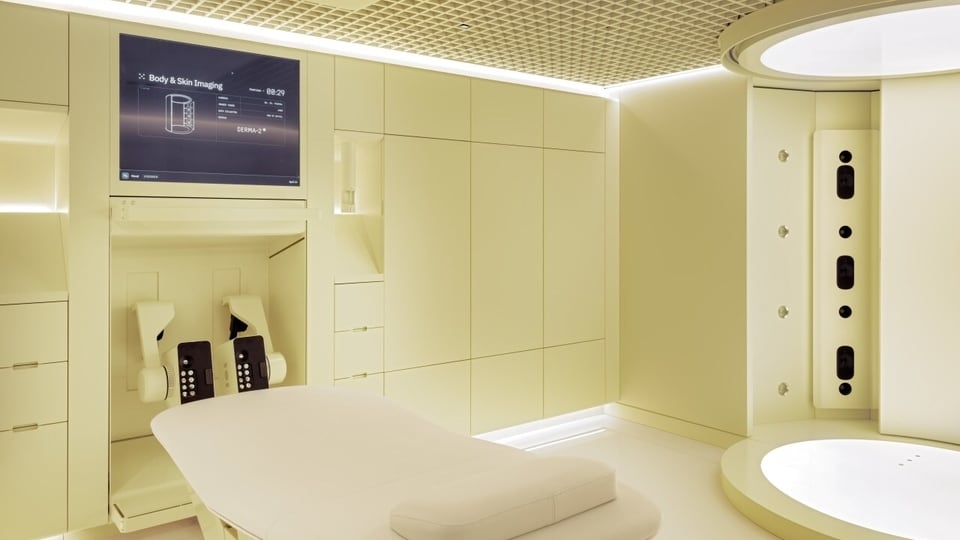
I’ve been seeing a steady drip of people sharing photos and videos of themselves on social media in butter-yellow bathrobes standing on a cylindrical 360-degree body scanner. These posts are all from folks working in tech, media and venture capital who got a “sneak peek” to try out Neko Health’s body-scan technology at its sleek first U.S. clinic in New York City.
It had amassed a wait list of around 25,000 New Yorkers before the location was announced, a company spokesperson said. It opened its doors on Thursday. The Swedish brand is the brainchild of Spotify founder Daniel Ek and Hjalmar Nilsonne, Neko Health’s CEO.
It is the latest in a wave of preventative-health companies hitting the U.S. market, pitching patients on the notion that more information can give them more control over their health. For $499, which people can use HSA or FSA funds to help cover, the “radiation-free” visit includes a skin examination with visual and thermal cameras, a cardiovascular assessment, a body-composition analysis and on-site blood-testing. That takes about 30 minutes, then a clinician will meet with patients for another 30 minutes to discuss the results. It aims to help people assess risk of skin cancer, cardiovascular disease and metabolic conditions.
Neko Health opened its first clinic in Stockholm in 2023 before expanding to the U.K. It has another 350,000 on the wait list globally, according to a spokesperson. It recently received $700 million in fresh funding, backed by the likes of Mark Zuckerberg, tennis champion Maria Sharapova and musician Will.i.am.
The hype is reminiscent of the flood of social-media posts surrounding Prenuvo’s full-body MRI scans, which I wrote about in the fall of 2023. At the time, posts featuring celebrities and influencers clad in medical scrubs posing with Prenuvo MRI machines felt inescapable. They were offering discount codes to followers for the $2,500 scan. (That’s the cost for either a stand-alone scan or an annual membership which includes the MRI and blood panels.)
Prenuvo was in the spotlight last month after the actress Busy Philipps revealed that a scan found a lesion in her brain that was later diagnosed as a slow-growing tumor. That news came shortly after a reality star shared a similar finding of a brain lesion that was a malignant tumor. The company, which now has 24 clinics in the U.S., and four internationally, has been sharing their stories.
“The more people who think about their health early, the better,” said Prenuvo founder and CEO Andrew Lacy.
Some medical professionals have criticized preventive MRIs as unnecessary. But their potential for early detection, even before symptoms arise, shouldn’t be dismissed, said Dr. Zahi Fayad, director of the Biomedical Engineering and Imaging Institute at the Icahn School of Medicine at Mount Sinai.
“We still need to learn which people benefit most, how often to scan them and whether earlier detection changes their long-term outcomes,” he said.
While Neko’s focus on getting people engaged with their health is valuable, he said, some of the company’s data findings about health improvements in returning patients should be taken with a grain of salt. He noted that it wasn’t compared to a control group and it’s difficult to tell what contributed to changes. The company acknowledged the statistical limitations in its data report, noting that findings are not proof of cause.
He shared advice for patients interested in getting a scan: “First, tell me what you are hoping to learn. If there is a symptom or a strong family history, we should choose the test that addresses that concern.”
He added, “Neither service should replace recommended cancer screening or attention to blood pressure, cholesterol, diabetes risk, exercise and smoking.”
Read on for top stories of the week, from the Journal and elsewhere. Send me your thoughts on this week’s newsletter and what you’d like to read about in future editions. You can contact me at sara.obrien@wsj.com. If you’re reading this in your inbox, you can just hit reply!
The WSJ Wellness newsletter takes you inside the business and culture of wellness—and how it affects you. If you’re not subscribed, sign up here.
In Case You Missed It
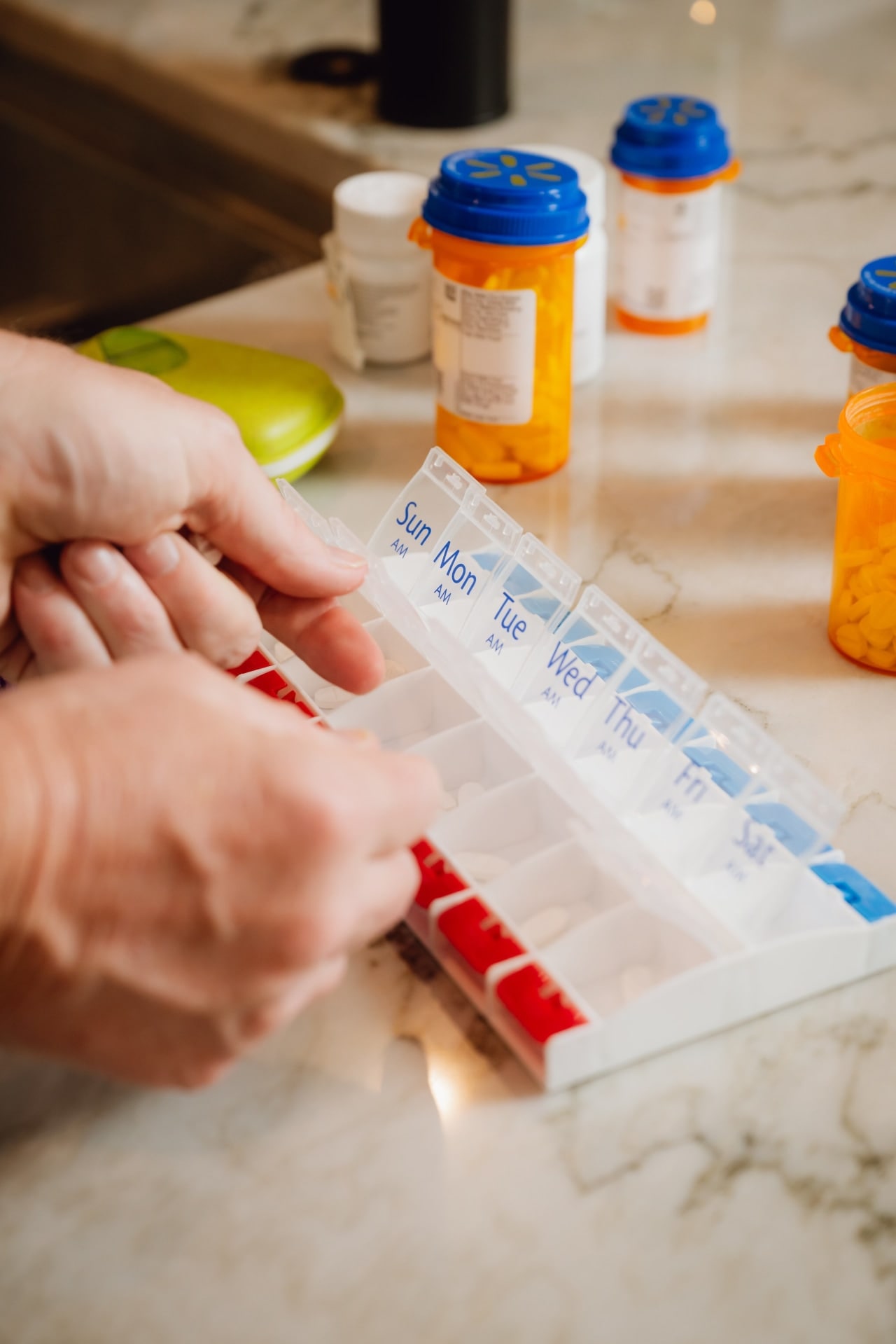
Americans Are About to Lose Access to Cheap Gray-Market Prescriptions From Canada. Patients are racing to stock up on medications before late October, when a rule goes into effect requiring medications mailed from abroad to go through a customs process requiring a licensed customs broker and a financial guarantee.Are Phones Really to Blame for the Rise in Childhood Anxiety? Peter Gray, a psychologist and research professor of psychology and neuroscience at Boston College, thinks smartphones for kids are just fine. Gray argues that the data points to a different culprit for mental-health declines: the 2010 rollout of the Common Core curriculum in many states.Natural-Fiber Clothing Is in Demand—but Some Scientists Say It Needs More Scrutiny. Scientists are finding chemicals in cotton and other natural-fiber clothing that, in studies not specific to apparel, have been shown to penetrate skin and cause health effects at sufficient exposures. Natural-fiber garments also shed microfibers that have been found in oceans and human lung tissue.
What I’m Reading
A Western Mass. Lesbian Bar Required KN-95 Masks. When It Changed the Rules, All Hell Broke Loose (Boston Globe)She’s 28, Loves God and Her Family, and Might Be The Reason You Can’t Have Kids (Wired)The Helicopter Parent Next Door (The Cut)
In My Feed

Mold is in the air. Bryan Johnson, the entrepreneur known for his extreme reverse-aging quest, shared a video of himself in a white hazmat suit with a caption that read: “We found mold in my gym.” His post was flooded with comments, including people commiserating and asking him to advocate on the issue.
Mold can cause respiratory problems, including triggering asthma symptoms. Some in the wellness world have also linked it to a range of other health conditions, as my colleague pointed out last month. Last week, HHS Sec. Kennedy participated in a roundtable discussion about raising awareness for fungal and mold disease and improving access to care.
About Me
I’m Sara O’Brien, a reporter covering the intersection of culture, health and wellness. Each week, I’ll take you inside the latest health trends to help you understand where they came from, who’s profiting and whether they’re worth your money. Send me feedback or questions at sara.obrien@wsj.com (if you’re reading this in your inbox, you can just hit reply). Got a tip for us? Here’s how to submit.
Catch your daily dose of Fashion, Health, Festivals, Travel, Relationship, Recipe and all the other Latest Lifestyle News on Hindustan Times Website and APPs.


