Scientifically Speaking: Simplest solutions to better health are never easy
With health advice changing faster than videos of jumping dancers on Instagram Reels, who can blame us for seeking something, anything, that promises certainty?
A good friend has a theory that wellness arrives in boxes, each promising transformation through the magic of modern commerce. Last week it was a face massager from a Chinese online delivery platform, promising to vanquish double chins through the power of mild electrocution.
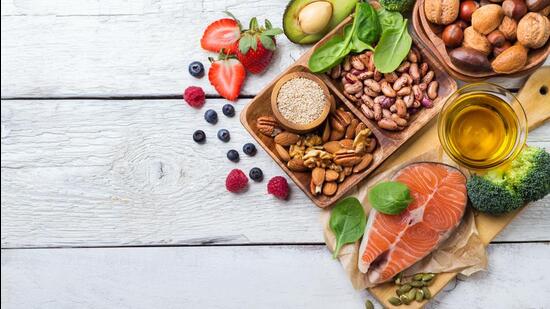
Representational image. (Shutterstock)
I get it. We’re all stumbling through life without a user manual, trying to make positive changes in a world that feels increasingly complicated. For decades, eggs were cardiac bombs—until one morning, they became a superfood. Sugar is now the devil, carbs are out—oh wait, are they back in again? Gluten became the ultimate villain faster than you can say “artisanal sourdough starter.” Exercise will cause a heart attack—no, wait, it prevents them.
Each proclamation arrives wrapped in certainty, only to be unwrapped and rewrapped in its opposite. With health advice changing faster than videos of jumping dancers on Instagram Reels, who can blame us for seeking something, anything, that promises certainty?
Even with training in science, I fall for quick fixes. Last month, I slathered collagen serum across my forehead in a burst of middle-aged optimism, seduced by minimalist packaging and maximum promises. Three days and several concerned looks later, I realized my skin didn’t need to be dissolved and reconstructed to achieve an “ageless glow.” Though I did technically achieve a glow—if you count looking like a burned prawn doing a cosplay of youth.
“You’re doing it all wrong,” my better half chided, as if proper collagen routine would save me from natural ageing. Now there’s an entire article I need to read about the correct time and way to apply collagen without burning my face.
The thing about health is that we’ve made it wonderfully complicated. In the old days, people just walked places and ate whatever grew nearby. Now we have the privilege of subscribing to personalised meal plans and attending retreats where we learn to breathe for nostril efficiency. (Apparently, I’ve been doing it wrong all these years).
Just yesterday, I turned back from a walk because I’d forgotten my smartwatch. “What’s the point?” I thought, genuinely annoyed that my steps wouldn’t be logged, gamified, or converted into achievement badges. Never mind that my actual beating heart doesn’t care whether my walk is digitally recorded. For every basic human need, there’s an entire industry: apps for motivation, jargon for legitimacy, and endless products for access.
“You must try green tea on an empty stomach,” a friend insists. “They’ve completely revolutionised my free radical journey.” Improving health today requires a small fortune, a spare room for equipment, and ideally a postgraduate degree to interpret supplement labels.
Yet the most basic truths about health are self-evident and fit on an index card. Here’s some sage advice distilled from years of reading, writing, and experimenting with health tips.
Move your body daily, in ways that don’t make you regret having limbs. Ancient humans didn’t have yoga retreats or Pelotons, but they stayed fit chasing dinner and running from becoming dinner. No subscription required.
Eat food your grandmother would recognise even if the components are unique. She might find quinoa idlis puzzling but would still recognise them as real food, unlike zero-calorie blue drinks promising to align your chakras while cleansing your aura.
Avoid smoking and drugs. Go easy on alcohol or skip it altogether. Even the newest guidelines suggest there’s no safe level of drinking. And for everything else, avoid excess. Yes, even neem leaves and brown rice can make you insufferably self-righteous in sufficient quantities.
Sleep when it’s dark. This radical concept has survived millions of years without needing an app to mimic the sound of temple bells, or smart lights that simulate the glow of an ancestral moon.
Spend time with people you enjoy, ideally those who exist in three dimensions, not ones you swipe away or turn off. It seems hard at times, but no unboxing video is required to learn how to connect with other humans.
Do things you love, preferably those that don’t require autopayments or equipment blessed by a startup guru-turned Himalayan monk who’s selling enlightenment in easy installments.
And use your brain for challenging tasks. If you don’t keep it running with puzzles or learning, it’ll just sit there binge-watching reruns of old memories, or worse, algorithmically filtered YouTube videos that promise to explain consciousness in five minutes.
Of course, we can’t escape the world’s various pollutants and plastics. We’re all breathing the same air and consuming microplastics. And genetics might still deal you with a complicated hand. That’s why we have doctors, those curious professionals who still believe in checking actual blood pressure and cholesterol rather than one’s zodiacal compatibility with various supplements.
Unfortunately, simplicity isn’t exciting, and it doesn’t sell. Simple truths like these don’t come in shiny packages, which is probably why we also overlook them. Instead, we chase the next revolutionary gadget, convinced that redemption lies somewhere in the growing pile of apps, supplements, and subscriptions.
Take Jeff Leach, who made headlines a few years ago when he inserted a turkey baster filled with another man’s feces into his rectum. The donor? A hunter-gatherer from Tanzania’s Hadza tribe who had, as Leach noted, “recently dined on zebra and monkey.” Leach hoped to “rewild” his microbiome, claiming it would protect him from obesity, diabetes, and autoimmune diseases. While fecal transplants have proven effective for treating Clostridioides difficile infections, they’re hardly the do-it-yourself solution to medical woes.
Here’s the thing: we crave complex solutions because they distract us from the truth. The simplest solutions to better health demand consistency, not complexity. And consistency is hardly easy.
Anirban Mahapatra is a scientist and author, most recently of the popular science book ‘When the Drugs Don’t Work: The Hidden Pandemic That Could End Medicine’. The views expressed are personal.
Are you a cricket buff? Participate in the HT Cricket Quiz daily and stand a chance to win an iPhone 15 & Boat Smartwatch. Click here to participate now.

 E-Paper