
 E-Paper



'US umbrella no longer enough': Unpacking the Saudi Arabia, Turkey, Pakistan defence pact signed in Mecca
Signed after Friday prayers in Mecca, the pact ties three Sunni-majority countries months into the US-Iran war in West Asia. What it says — and what it doesn't.

 Prefer HTon Google


Saudi Crown Prince Mohammed bin Salman, Turkey President Recep Tayyip Erdogan and Pakistan Prime Minister Shehbaz Sharif put their signatures to a joint defence agreement at Al-Safa Palace in Mecca on Friday, after offering prayers together. The document has a name — the Mecca Joint Defence Agreement — and a headline commitment. An armed attack against any one of the three states will be regarded as an attack against them all, it said.
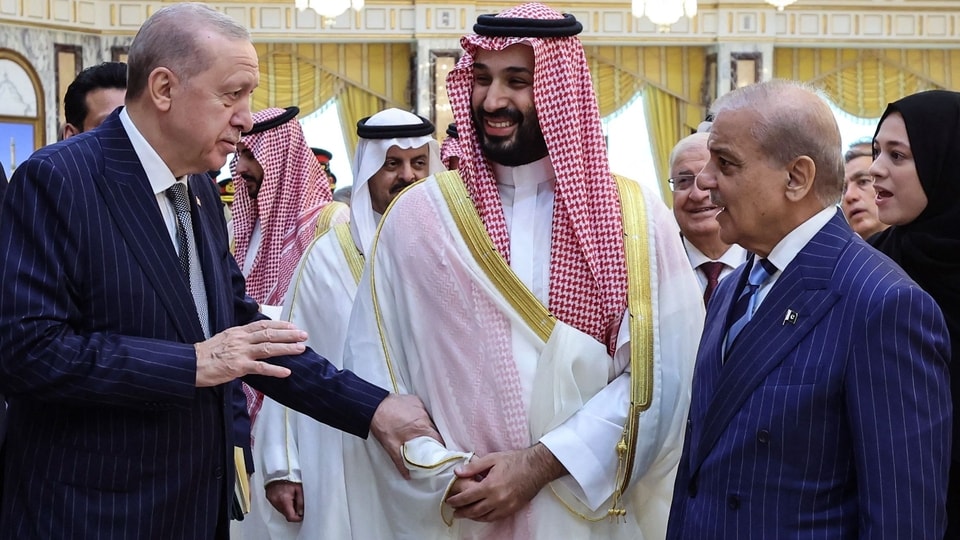
The joint statement, released via the Saudi Press Agency and Pakistan's foreign ministry, also promises to enhance "all aspects of defence cooperation" — a phrase the signatories have since spent the day trying to define, and to bound.
The known, and the unknown
The three countries on Friday released a joint statement announcing the agreement, not the text of the agreement. No full treaty document has been made public yet.
The statement commits to "collective deterrence against any act of aggression", and, in its central clause, holds that "any armed attack against any one of the three States shall be regarded as an attack against them all". Turkish officials, quoted by Bloomberg, added that the pact would extend to shared defensive capability development, military exercises and personnel training. Erdogan, in his own X post, said it was a mechanism for joint defence-industry projects and counter-terrorism cooperation.
Reuters, citing Turkish and Saudi officials, said the statement "did not give specifics on the commitments each had accepted and it was not clear how far their agreement would bind them to any particular military action in each other's defence".
Turkey vice-president Cevdet Yilmaz and a Turkish government official, both quoted by Reuters, said the agreement was purely defensive and did not abrogate any of the three countries' existing arrangements with other states.
Against the backdrop of a war
The pact was signed in the sixth month of the US and Israel launching strikes against Iran, which plunged West Asia into a war.
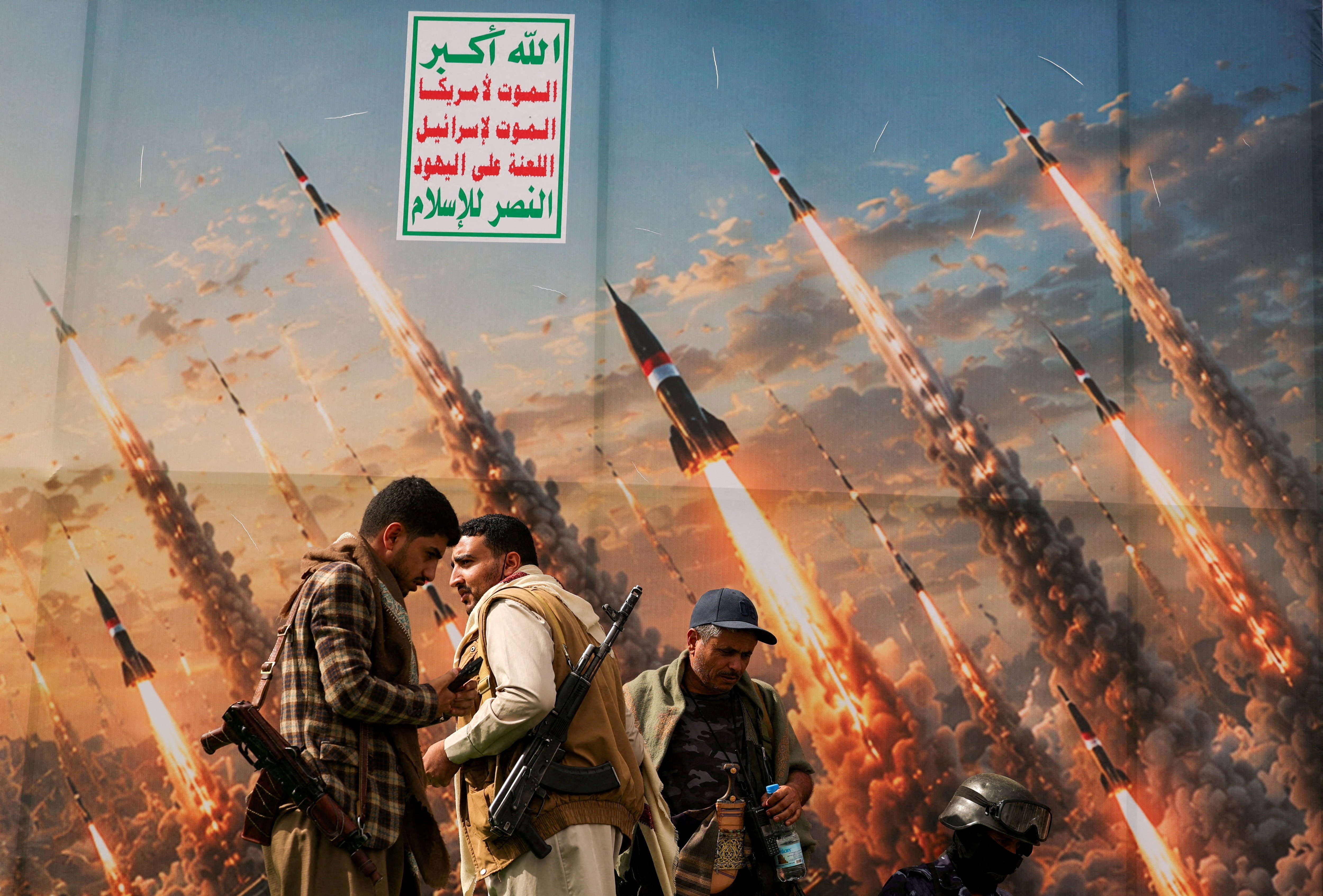
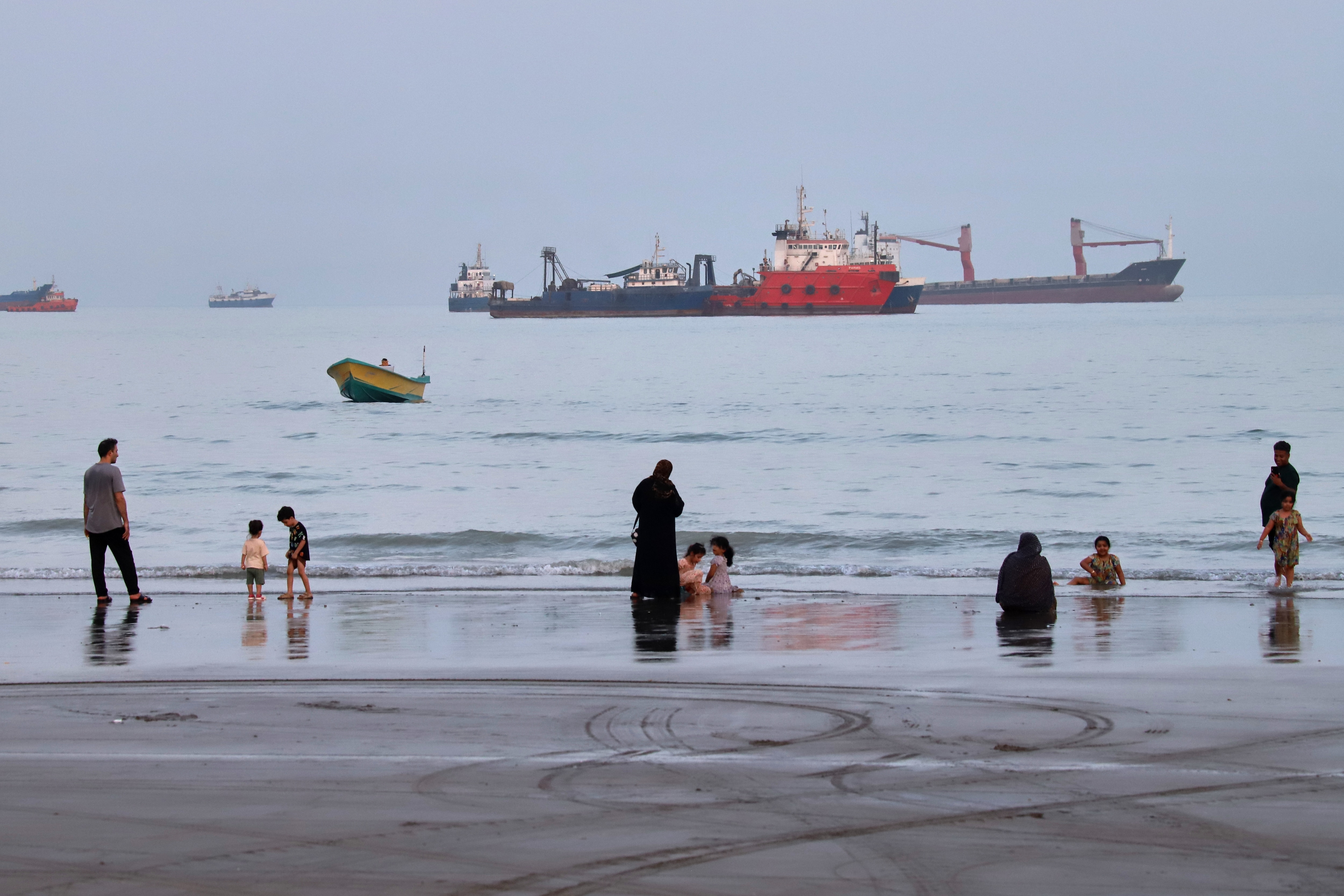
Iranian missile and drone fire, and coordinated strikes by Iraqi militias and the Yemen-based Houthis, have repeatedly targeted Saudi oil and infrastructure over the course of this conflict. Iran's disruption of shipping through the Strait of Hormuz has caused energy prices to surge and fuelled inflation, with Tehran using the hostilities to justify charging tolls on oil tankers and firing on ships that attempt to cross without permission.
Before the war, roughly one in five barrels of oil consumed worldwide passed through the narrow waterway.
A day before the Mecca signing, a senior Saudi official said that Riyadh expected imminent coordinated attacks from Iraqi militias to its north and the Houthis to its south, allegedly supervised by Iran's Islamic Revolutionary Guard Corps.
That is the backdrop against which Saudi Arabia has moved to bind Turkey and Pakistan closer, analysts say.
King's College London analyst Andreas Krieg told news agency AFP that the Iran war has shaken Riyadh's confidence in resting its security on a single American umbrella. With its oil infrastructure taking repeated hits and Washington's protection looking less reliable than it once did, the kingdom is now working to build layered security rather than betting on the US alone to protect its interests.
What each side brings to the deal
Saudi Arabia brings capital and the diplomatic weight of the custodianship of the two holy mosques.
Turkey brings Nato's second-largest military and, according to Bloomberg, the world's second-largest F-16 fleet after that of the US, along with a defence industry whose drones Saudi Arabia already buys.
Pakistan brings a nuclear arsenal — it remains the Muslim world's only nuclear-armed state — as well as combat experience. According to Reuters, roughly 8,000 troops, fighter jets, drones and an air-defence system have already deployed to the kingdom. Islamabad and Riyadh had also formalised their long-standing security ties through a bilateral defence pact in September 2025.
While Pakistan's nuclear abilities make it a powerful ally, Saudi deputy minister for public diplomacy Rayed Krimly clarified in a post on X on Friday that the agreement was "not linked to any nuclear ambitions or arms race", rather it was "focused on building sustainable capabilities".
Pakistan has previously played down suggestions that its deterrent might be extended to allies. Reuters, citing officials, noted that Islamabad said of its 2025 bilateral pact with Riyadh that atomic weapons were "not on the radar".
The three countries share a Sunni Muslim majority, and the signing venue and timing were not incidental. Bloomberg said the location was a signal of the signatories' "vision of a Middle East order overseen by a grouping of the region's Sunni Muslim-majority nations", which it said contrasted with a status quo shaped over the past few decades by direct US intervention and its backing of Israel.
Riyadh, though, rejected this reading publicly. "The agreement does not represent any orientation toward building a military axis or sectarian/religious bloc," a Saudi statement said. Krimly's social media post had presented a similar view. And Erdogan, in an X post, said the pact "targets no country and is open to the participation of all brotherly countries that aim for the peace, prosperity, and stability of our region".
He also invoked Article 51 of the UN Charter — the provision that recognises a state's right of individual and collective self-defence.
Sharif called it a "historic pact" and a "shield of peace" in a post on X, and credited Pakistan's army chief, Field Marshal Asim Munir, with "untiring efforts".
Saudi foreign minister Prince Faisal bin Farhan, quoted by PTI, called the pact a milestone in the three countries' defence cooperation.
Burhanettin Duran, the Turkish presidency's communications director, said in an X post that the deal is "not aimed at any particular country". The Turkish government's anti-disinformation service posted separately that the pact is "not in contradiction with the commitments of Turkey's existing international alliances, including those at the heart of Nato", and described it as an "additional cooperation mechanism" — not an alternative to Nato membership.
Also read: Trump confronted Hegseth over weapons shortage due to Iran war? US president reacts
US and Iran angles — and an Israel one
Krieg told AFP the three countries "are not trying to replace the United States. They are building the capacity to protect their interests when Washington cannot or will not do so".
Umar Karim, a Saudi foreign-policy specialist at the University of Birmingham, told AFP the alignment "is clearly oriented towards Iran and meant to address Iran's new strategic approach, which is geared towards dominance of the broader Gulf region". Because Turkey and Pakistan border Iran, he added, they could "exercise a different kind of leverage" on Tehran.
Abdulaziz Sager of the Gulf Research Center told Reuters the trilateral framework could contribute to "the emergence of a more regionally driven security architecture". Burcu Ozcelik, senior research fellow for Middle East Security at Rusi, argued that the pact was about "counterbalancing Iranian hegemony in the region and building deterrence against Israel" rather than moving towards confrontation with Tehran. Ozcelik, in a post on X, added that the pact "fits the broader US preference for greater regional burden-sharing, regional powers assuming more responsibility for deterrence and security while remaining embedded, to different degrees, within a US-centred security architecture".
Hamish Kinnear, a West Asia analyst at the risk intelligence firm Verisk Maplecroft, was the most sceptical voice on the pact's near-term military weight. "Token deployments are possible, but it is doubtful that Ankara and Islamabad want to become heavily involved in an anti-Houthi military operation. More likely is increased Ankara-Islamabad-Riyadh coordination on diplomacy, weapons development and technological transfer, with Saudi capital boosting the defence sectors of Turkey and Pakistan," Kinnear said in a note quoted by AP.
India 'watching closely', Iran reacts
Iran's foreign minister Abbas Araghchi, in a post on X on Friday, said Tehran's forces had shown their "readiness, capability, and might in face of the world's most expensive military", and added: “When Muslims stand together, we can face every challenge by malicious outsiders head-on. Time to rely only on ourselves and embrace true brotherhood.” It was not immediately clear whether Araghchi was referring to the Mecca pact.
A sharper reaction came from Ebrahim Rezaei, a member of the Iranian Majlis's national security and foreign policy commission, who wrote on another X post: "The Saudis should know that a paper agreement with Turkey and Pakistan will not bring them security, just as years of one-sided 'milking' by the Americans did not bring them security. Change your policies so that you do not have to #BegForSecurity from others."
India's external affairs ministry spokesperson Randhir Jaiswal, at the weekly briefing on Friday, kept his response minimal on the topic. "This is also a development that we are closely following, and we shall keep you updated," Jaiswal said. In September 2025, after the Pakistan-Saudi bilateral pact, MEA had said it would "study the implications of this development for our national security as well as for regional and global stability".
Israeli Prime Minister Benjamin Netanyahu's office declined to comment, news agencies reported.
The questions on the pact run three ways: whether the parallel Iran-Oman track on reopening the Strait of Hormuz produces a lasting deal, and how Riyadh calibrates the pact's tempo against that; whether Saudi capital will begin to move visibly into Turkish and Pakistani defence firms, the earliest concrete signal of whether the pact is a political instrument or a military one; and whether Pakistan's nuclear posture shifts from the 2025 "not on the radar" line.


