
 E-Paper



Shuffle the back rank, keep the score: A guide to Chess960, the Fischer variant that will get an official Fide rating
Bobby Fischer devised the variant in the 1990s to put creativity ahead of preparation. Three decades later, the world chess body will rank its players.

 Prefer HTon Google


Fide, the global chess governing body, earlier this week approved setting up of an official rating system for Chess960, a variant of the game that has gained popularity over the years. The move comes amid growing interest in the variant and marks a key step towards integrating it into the broader chess ecosystem.
What is Chess960? How is it different from traditional chess? And what does its popularity mean for the sport’s future?
What makes it different?
Chess 960, also known as Fischer Random or Freestyle Chess, uses the same board and pieces as traditional chess but differs in how the pieces on the back rank are arranged. While traditional chess follows a fixed starting formation, Chess960 randomises it within the ambit of rules designed to maintain the “dynamics of regular chess”. The result: possibly 960 distinct starting positions, each with a different set of opening challenges.
How is the starting position decided?
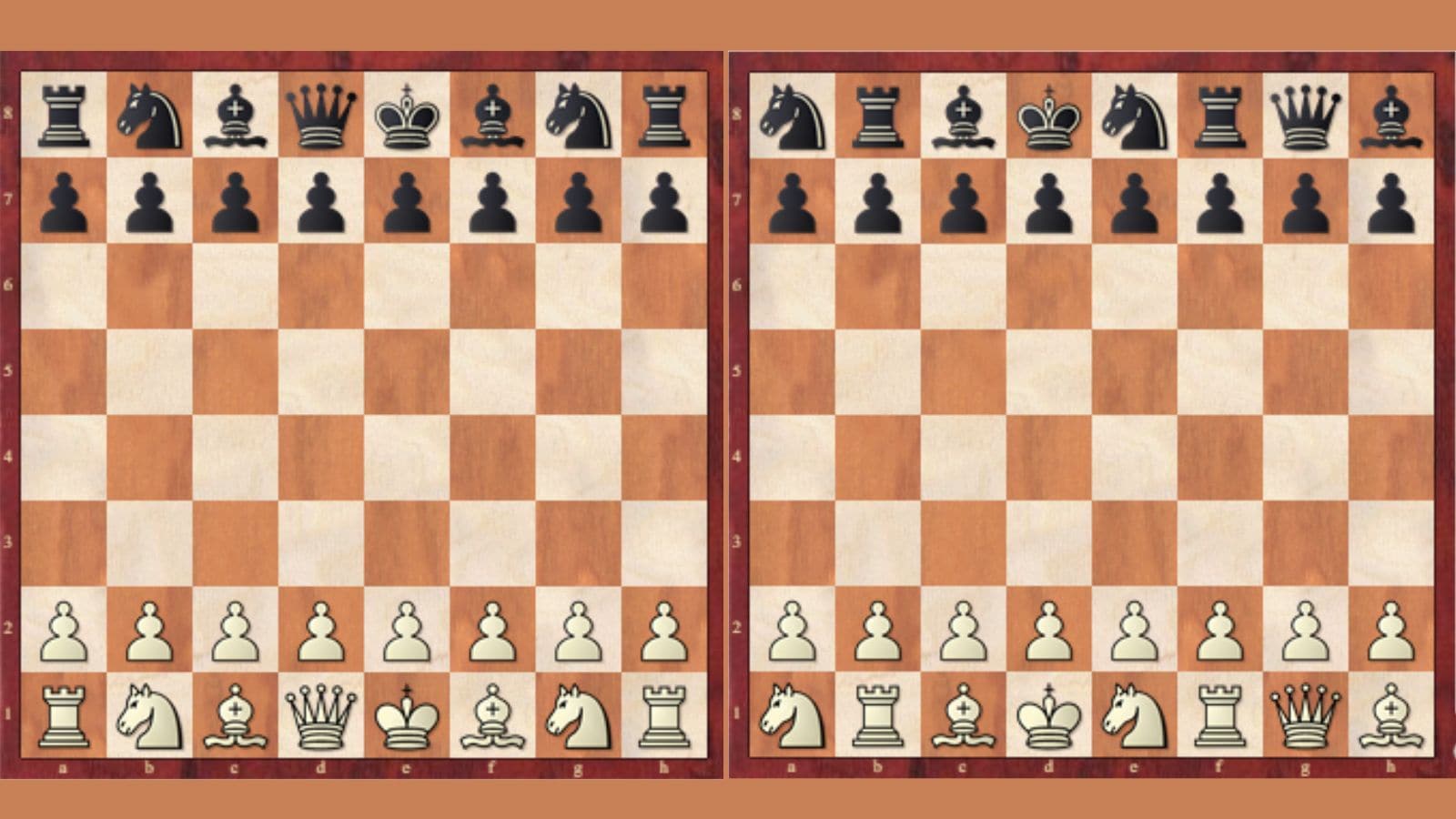
All the starting positions are numbered between 0 to 959. In over-the-board tournaments, an arbiter or organiser usually uses software to randomly draw a number before each round. The board for that round is then set up according to the position corresponding to the number drawn. In some instances, the organisers state beforehand whether a position may be reused or excluded completely (like position 518, which is the traditional chess starting arrangement).
In online games, a software generates the position and sets up the board automatically.
Also read: Indian-origin chess prodigy Bodhana Sivanandan makes history at 11 as youngest woman grandmaster
What impact does the change have?
The random setup reduces reliance on chess theory and memory of opening positions.
According to Magnus Carlsen, the consensus greatest modern player, the format encourages players to depend more on their skills, ability to adapt and creativity. The randomisation of the starting position also reduces some of the emphasis on extensively strategising opening plays, potentially reducing the advantage gained through preparation.
Who came up with Fischer Random?

The hint is in the name. Mercurial US Grandmaster and former World Champion Bobby Fischer, one of the sport’s most recognisable and controversial faces, advocated for a variant that reduces reliance on opening theory. Fischer, who died in 2008, formulated the overall layout of the variant in the 90s, building on existing versions like Shuffle Chess, to push creativity over preparation.
“I didn't invent Fischer Random chess to destroy chess. I invented Fischer Random chess to keep chess going. Because I consider the old chess is dying, it really is dead,” he had said in 1999.
What prompted Fide’s move?
The game’s governing body -- Fédération Internationale des Échecs (Fide) -- said the setting up of the rating system is a response to “the continued growth of the variant and the need for an official competitive rating framework”.
The proposal for the rating system was submitted jointly by the German Chess Federation, Icelandic Chess Federation, Norwegian Chess Federation, Irish Chess Union and Faroe Islands Chess Federation.
Rating is a score that estimates a player’s skill based on match results. Beating higher-rated opponents earns points and losing to lower-rated ones costs more, with players moving up or down the rankings based on their total rating. The ratings often determine tournament entry while also serving as a benchmark of a player’s skill. In the classical format, it also serves as an eligibility criteria for different titles — Grandmaster (GM), International Master (IM), and so on.
“The initiative noted that Chess960 has been growing internationally, while the absence of an official rating system has limited its integration into the wider competitive chess ecosystem,” FIDE said in its statement on Thursday, October 1.
Also read: I thought of quitting chess, it was that hard: Savitha Shri
What are the rules of Chess 960?
Three rules govern the scope of randomisation:
- Black's starting position must mirror White's.
- The king must be somewhere between the two rooks.
- The bishops must be on opposite-coloured squares.
All pieces move, capture and give check in the same way as in traditional chess. The goal remains the same, to checkmate the opponent's king. Rules on pawn promotion, captures and draws are also the same. The objective and final positions of castling are the same, but the movement of the pieces required to achieve them can differ depending on the starting arrangement.
How do top players view the variant?
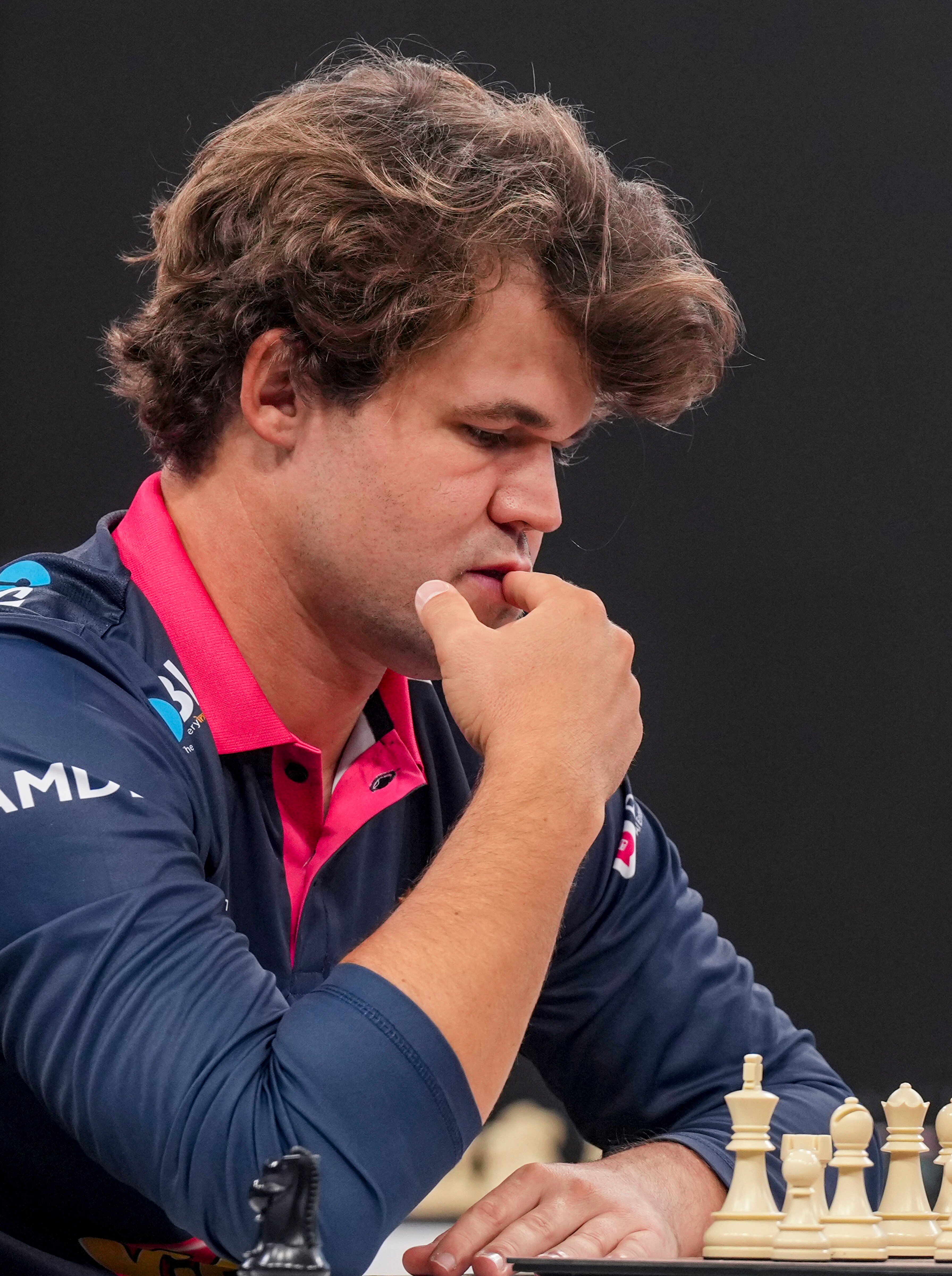
Several leading players of the past and present have voiced enthusiasm for the variant. Garry Kasparov, considered one of the greatest players in history, hailed it as the future of the sport. Carlsen, who in 2022 decided not to defend the World Championship, celebrated the format as a more exciting challenge. Former World Blitz Champion Levon Aronian said that he enjoys playing Chess960 more than the traditional version.
“What we’re playing now is in many ways a purer, long-form game than normal classical chess. You’re sitting down at the board, and you have to think from the very beginning, and it just feels fresh,” Carlsen had said in 2024.
Former World Champion Viswanathan Anand had argued that the two variants can co-exist and said that Chess960 should not be seen as competing with the traditional game.
What does it mean for the sport?
Chess is a game of metaphors and, at times, an amalgamation of contradictions. It represents violence on the battlefield and, at the same time, a civilised test of wits.
Its origins date centuries, yet it is among the frontrunners in embracing technology. It is played across countries, breaking cultural barriers, and still it has rigid notions that can penalise a player for wearing denims.
Chess960 adds another dimension to this sport of divergences. By prioritising creativity over memorisation, it offers a different way of engaging with the sport, and FIDE's move to introduce a rating system reflects the variant’s expanding footprint. Whether it will reshape the sport or remain an offbeat format will likely depend on how it is embraced by players, organisers and audiences.


