
 E-Paper



A green framework for India’s copper strategy
This article is authored by Bagmita Borthakur, research fellow, BITS Pilani.

 Prefer HTon Google


India’s current positioning in copper production highlights a concerning imbalance that continues to grow. The country’s domestic copper production has failed to keep pace with constantly rising demand. As a result of which India has been pushed towards greater dependence on imports. It currently imports more than 40% of its copper requirements.
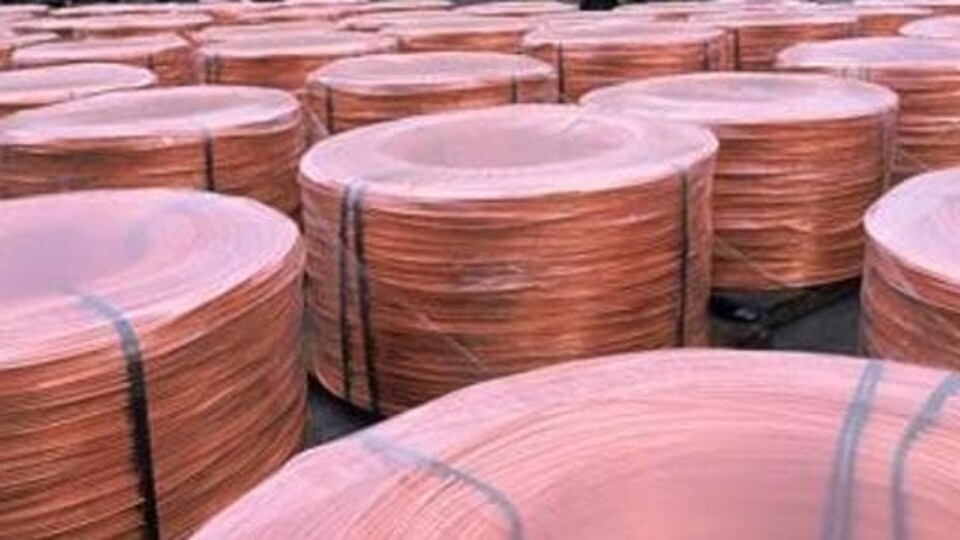
To understand how deeply concerning this situation is, we must first know the significance of copper. In today’s time, from power transmission and renewable energy to electric vehicles and digital infrastructure, every pathway runs through this vital metal.
In the upcoming years, its significance and demand will only increase. As per the stated policy scenario of the International Energy Agency, the demand for refined copper is predicted to reach roughly 33 million tonnes in 2035. Every transformation today gets transmitted via copper. Growing reliance on imports of copper is a strategic concern for India.
Environmental concerns around copper production have not been unfounded and are historically known. These concerns definitely do matter. The real question here is whether shutting down smelting facilities remains the only response to this. Or emphasis should be placed on a better path in addressing environmental concerns while allowing production to resume under strict monitoring and accountability.
Over the past decade, copper production technology has undergone impressive transformation. Modern smelting operations increasingly rely on circular manufacturing, zero liquid discharge processes, and continuous emissions monitoring accessible to regulators in real time.
Technological progress creates new opportunities aimed at rethinking production. A green copper restart framework will give priority to hybrid production, which combines significant recycling with primary processing. Under this model, 70% of copper anodes will be produced from current primary smelting from copper concentrate, and the remaining 30% will come from recovered copper scrap and e-waste. This framework will include community supervision into operations as well.
By including local participation and transparency, the focus will clearly balance production with long-term sustainability. Together, these measures will ensure that industrial activity is accompanied by shared social and developmental gains.
India’s copper dilemma is ultimately a test of institutional confidence. Rather than completely shutting capacities, the discussion here is more about whether it can monitor, control, and reform strategic industries.
The decisions made today will influence industrial results as demand rises. Additionally, it will demonstrate the credibility of India's environmental pledges. The future of copper in India will not be defined by shutdowns, but by how responsibly the nation produces copper at home.
This article is authored by Bagmita Borthakur, research fellow, BITS Pilani.


