
 E-Paper



Atmanirbharta in India's shipbuilding requires indigenous marine engines
This paper is authored by Ashutosh Kashyap, Harsh Sinha, Kush Rana, Priyanshu Rana, ORF.

 Prefer HTon Google


Despite India’s growing shipbuilding capabilities, its heavy dependence on imported marine engines reflects an inherent weakness in the maritime sector. Without indigenous propulsion, India’s ambitions for its blue economy remain dependent on foreign suppliers. Indigenous marine engines are not just technical assets, but the missing heartbeat of a truly atmanirbhar Indian maritime economy. This brief argues that true self-reliance in the marine sector requires an indigenous propulsion system to safeguard national security, reduce economic outflows, and enhance technological sovereignty. It draws on lessons from the Indian Railways, ISRO, and international maritime leaders. It outlines a roadmap to developing homegrown marine engines through strategic research and development, phased manufacturing, and industry–academia collaboration.
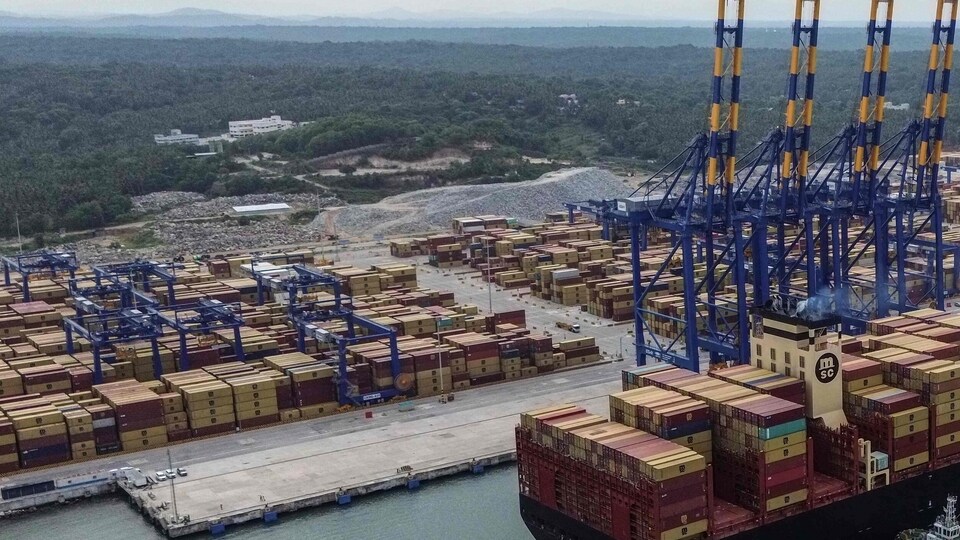
India’s maritime industry is seen as an essential component of the country’s national development goals. The Maritime India Vision (MIV) 2030 lays out strategies for India’s ambition to be a global maritime leader by strengthening port-led growth, bolstering coastal infrastructure to global standards, expanding domestic shipbuilding capability, and powering India’s vessels through indigenous propulsion systems. The MIV is further complemented by the Maritime Amrit Kaal Vision 2047, which aims to link port-led growth with an economic target of $5 trillion by 2025.
The strategies built on the Make in India initiative have enhanced indigenous shipbuilding capabilities, helping the domestic shipbuilding industry grow at a 7.8% CAGR between 2018 and 2023. India is positioned as the 16th-largest shipbuilding country in the world, with around 39 registered shipyards. The prominent ones are Cochin Shipyard Limited (CSL), Mazagon Dock Shipbuilders Limited, and Garden Reach Shipbuilders & Engineers Limited. These shipyards construct a variety of vessels, from fishing trawlers to indigenous naval warships, such as the INS Vikrant (commissioned in 2022), stealth corvettes like INS Kamorta (2010), and stealth destroyers like INS Surat (2022).
This paper can be accessed here.
This paper is authored by Ashutosh Kashyap, Harsh Sinha, Kush Rana, Priyanshu Rana, ORF.


