
 E-Paper



Skilling: Missing link in India’s MSME growth story
This article is authored by Gayathri Vasudevan, chief impact officer, Sambhav Foundation.

 Prefer HTon Google


India is projected to be world’s fastest growing major economy (6.3% to 6.8% in 2025-26) where the micro, small, and medium enterprises (MSMEs) have long been referred to as the backbone of the country’s economy, generating employment, innovation, and inclusive growth. The sector alone contributes around 30% to India’s GDP. Yet, behind this vibrant narrative lies a sobering reality: nearly 90% of Indian start-ups and MSMEs do not survive beyond their first five years, and only a small fraction persists past a decade. The question, then, is not about the sector’s potential, but about what holds it back and how we can unlock its full promise.
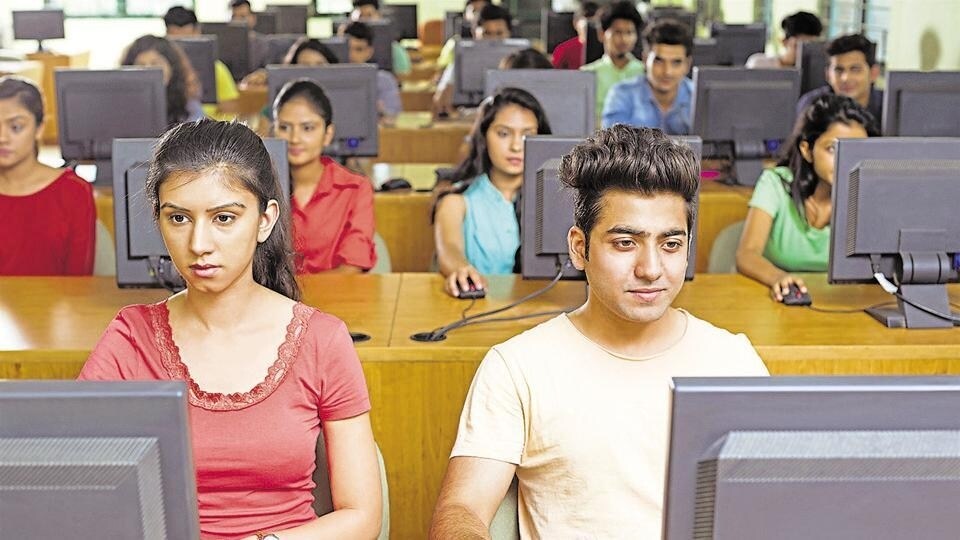
As per the Udayam portal, MSMEs employ over two crore people, firmly establishing themselves as the bedrock of the economy.
There is a pattern that goes beyond insufficient funds or market volatility. In about 42% of instances, businesses fail because they get the market wrong, offering products or services that don’t find market acceptance. Around 23% fail due to inadequate skills, experience or organisational cohesion. Speedy market changes, inadequate planning and poor access to mentorship further worsen these problems.
Over the years, I have encountered stories that resonate with these findings. For instance, in Odisha’s Balasore, a young entrepreneur who did his course in optical lens manufacturing could not completely take his enterprise to great heights despite adequate funding. The simple reason for it not incurring profits was the location he chose to launch the business and deciding on who to market it for. A small EDP workshop helped him understand these barriers and develop strategies that aligned with his goals and niche.
The India Skills Report 2024 presents a grim picture: barely 51% of Indian youth are employable, and even lower percentages when it comes to technical and digital skills. It is even more challenging for MSMEs. With scarce resources, investment in training and development becomes a luxury. Most entrepreneurs find it difficult to embrace new technology, automate functions, use digital marketing, or have specialised skills that are critical to survival and growth.
The technical know-how isn't the only skills gap. Soft skills like leadership, communication, problem-solving, and customer interaction are just as important. I recall a female-led beauty parlour that, in spite experience, was losing clients to others because it had failed to develop feasible financial strategies and market-aligned trends. When the owner’s employees made the effort to join online courses and attend industry workshops, the business not only stabilised but started flourishing, showing the power of skilling to change.
Investing in skilling can radically alter the scape of MSMEs and act as a strong driver of continued success. When enterprises are well-equipped with skills, they acquire a better understanding of the market to undertake sound research, analyse upcoming trends, and position their products or services according to changing customer needs. This knowledge base sets the stage for stronger innovation. A culture of ongoing learning motivates enterprises to remain proactive and align themselves with industry changes. Additionally, focused training in leadership, finance, and management equips founders to develop harmonious operations, optimise resources more effectively, and generate confidence among employees as well as stakeholders. Most importantly, a highly skilled workforce introduces resilience, enabling businesses to adapt rapidly in the event of setbacks, ensure business continuity, and capitalize on new growth opportunities. Skilling is not merely an operational requirement but rather a strategic imperative that unleashes the complete potential of MSMEs and aligns them for long-term success.
Take the case of a gift shop in Kanpur who had all the stock and articles relevant to the target location. However, his story did not see sales that matched the investment the shopkeeper made. Traditional selling strategies fell flat. A program that helped micro-enterprises in Kanpur onboard e-commerce platforms was his holy grail. His target audience expanded and his digital acumen expanded, making his techniques future-proof.
Government programmes such as NSDC and PMKVY are effective instruments, but MSMEs may face challenges in accessing them due to limited awareness, compliance requirements, or resource constraints. Closing the gap involves collaboration with educational institutes, vocational training centres and technology companies. Inexpensive online tutorials, mentor networks and peer learning groups can make skilling democratic. A good model is the partnership between a rural college and an MSME cluster in Karnataka. Students were provided training on the job, and businesses got new entrants. The model is scalable and can be replicated.
For India’s MSMEs, skilling cannot remain an afterthought it must be embedded into the very fabric of how businesses grow, adapt, and survive. This means integrating learning into the daily rhythm of work through short, modular formats like peer-led sessions or app-based tutorials that are low-cost but high-impact.
When MSMEs invest in skilling and capacity building, they often experience a significant improvement in the quality of their products and services, leading to better customer satisfaction. A research found that investing in skilling can lead to a 20–30% increase in productivity and an average revenue growth of 24% for MSMEs. A skilled workforce not only enhances business efficiency and reduces operational errors but also improves customer service, accelerates technology adoption, and facilitates the implementation of industry best practices. As employees gain confidence and clarity in their roles, MSMEs become more adept at pitching their businesses for scale and growth. Moreover, trained teams are quicker to adapt to market changes, more competitive in their sectors, and better equipped to manage finances effectively laying a strong foundation for long-term success.
Foundational digital and financial skills such as inventory tracking, digital payments, basic compliance, and customer communication, can be the difference between sustaining operations and shutting shop.
Strengthening the ‘middle’ layer of team leads and supervisors is equally vital, as resilience grows when decision-making is distributed beyond the originator. Partnerships with local training institutes, NGOs, and corporates can deliver context-relevant skilling without requiring MSMEs to build from scratch.
Government schemes and subsidies must be aligned with real-world constraints like high employee turnover and outdated processes to unlock meaningful change. Inclusion must be designed intentionally, with flexible timings, vernacular content, and proximity to workspaces to support women, people with disabilities, and marginalized groups.
Finally, MSMEs must be encouraged to experiment and learn from failure, skilling should nurture a culture of reflection, feedback, and recalibration, enabling businesses to become more agile and future ready. India’s growth narrative is incomplete without its MSMEs. And the MSME narrative is incomplete without skilling.
This article is authored by Gayathri Vasudevan, chief impact officer, Sambhav Foundation.


