
 E-Paper



How AI, robotics and neural interfaces are redefining independence
This article is authored by Prateek Madhav, CEO & co-founder, AssisTech Foundation.

 Prefer HTon Google


The sweeping aura of Artificial Intelligence (AI), machine learning, large language models and advanced robotics has encompassed lives across the world, as society looks for various ways to harness it for the greater good. Cutting across livelihoods, the pace at which these changes are taking place is brilliant as we evolve.
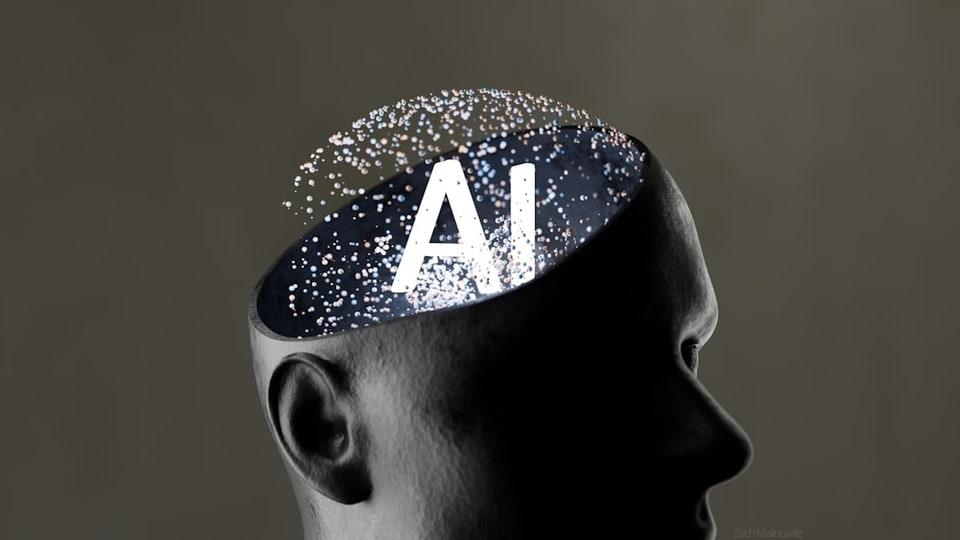
The same possibilities reflect in the Assistive Technology (AT) sphere. With over a billion persons with disabilities (PwDs) across the globe, this market can no longer be relegated to the margins. This is especially crucial considering that of approximately 80-90 million PwDs in India, 76% of PwDs are unemployed, and only a little over half are literate, with only 13% graduating from secondary school. Social isolation is common with 41% of PwDs never getting married.
AT itself has evolved from being based on cumbersome hardware to AI-driven cutting-edge software. AI-driven AT has the potential to significantly enhance the quality of learning, offer opportunities for more meaningful livelihoods and enable an independent, dignified life. From text-to-speech document readers that can infer context using AI, AI-powered smart glasses that can describe objects and provide real-time audio for scenes and activities, to voice-activated and AI-augmented navigation/detection devices, it seems there is no plausible space that AI-driven cannot touch and better.
Multimodal AI systems that integrate visual, auditory, tactile, and cognitive signals, and soft robotics that use biomimetic materials to enable customization and comfort to a superior degree, are a lesson in excellence. Microsoft’s Seeing AI, Tobii Dynavox I-Series (Speech Generating Device (SGD) engineered for Augmentative and Alternative Communication (AAC)), LUCI smart wheelchair, Otsimo for Autism Spectrum Disorder (ASD), and the SMART–MIT AI Soft Robotic Arm are some globally benchmarked AT products and solutions. Locally developed options include Deep Vision Tech’s Let’s Talk Sign, For Health’s MOVE Robotic Rehabilitation Assistant and SHG’s Aura Glasses.
The pace of change is no longer incremental. It is structural, substantial. The solutions are no longer confined to theory or laboratories. They are in clinical trials, rehabilitation wards, and living rooms. They are in life.
AI offers the power of automation, which in turn creates the possibility of mass manufacturing and deployment and the cost reductions that economies of scale offer.
Through AI-driven AT intervention, conventional limitations can be surpassed, creating greater agency and autonomy in choice across learning, livelihoods and living. Real-time care interventions and continuous learning by adaptive AI platforms can lead to increasingly relevant and embedded solutions that reduce caregiver burden and bolster social participation. True to its nature, data-driven configurations allow for true, individual inclusion.
One of the best examples of how technological developments are empowering PwDs and enabling their integration into mainstream activity is that of brain-computer interface (BCI). These decode brain activities and communicate with external devices such as robotic limbs, cursors, prosthetics, enabling patients with paralysis to regain movement, communication to a large extent – and importantly self-reliance
Dextroware is deploying its Mouseware in the field that allows head movement to control hands-free movement of devices such as cursors or wheelchairs. This is just the tip of what tech can do.
Whether it is brain-controlled wheelchairs or robotic arms with AI-synchronisation, neural interfaces are bringing real-time autonomy and enhanced quality of life for people with mobility disorders. Neuralink certainly dominates the market chatter for its advanced, best-in-class thought-controlled rehabilitation, yet local innovation in this regard is proceeding at a strong pace. For Health, a start-up, has created MOVE --a Robotic Rehabilitation Assistant that redefines precision in joint movement and functional training through data-driven individualized rehabilitation. Further, these technological advances effectively integrate large language models into BCI systems, including GPT-4-class models, enabling shared frameworks. The AI then anticipates intent, reducing the user's cognitive load and making control more fluid than in any previous generation of devices.
The way forward for assistive technology lies in defining how widely and equitably these innovations reach those who need them most. Latest innovations in the fields of robotics, artificial intelligence, neural interfaces, etc will continue to evolve and keep presenting opportunities before us.
This vision, however, is not without its blind spots. The threat of privacy intrusion looms large, particularly when devices and software are granted access to cognitive and emotional processes. Data breaches, surveillance and profiling are imminent threats that cannot be wished away. A much stronger regulatory and grievance redressal mechanism needs to be instituted with the government at the helm. At the same time, public-private partnerships are essential collaborations that can subsidize cutting-edge AI solutions, particularly considering the extant digital divide. Infrastructural support, mitigating the energy consumption of large-scale data centers and combatting algorithm-driven inequalities require robust governance. Done right, this AI-driven shift can build an ecosystem of true autonomy and empowerment.
(The views expressed are personal)
This article is authored by Prateek Madhav, CEO & co-founder, AssisTech Foundation.


