
 E-Paper



How the future of farming is being reimagined
This article is authored by Arvind Narayanan, co-founder, Growize Farms.

 Prefer HTon Google


Imagine a world where centuries worth of wisdom passed down by farmers meets modern science and technology. For years, farmers relied mostly on their instincts. But today, that tradition is evolving in powerful ways.
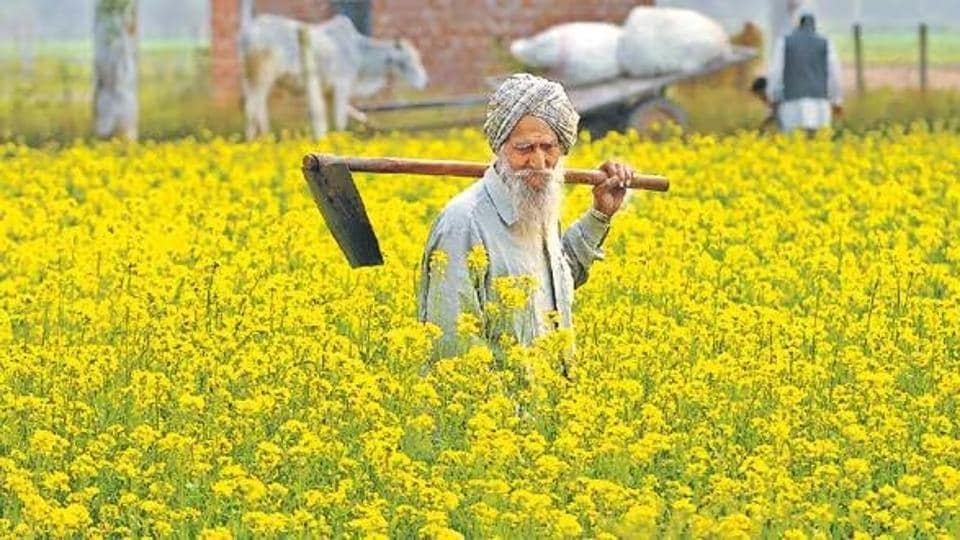
Many people think agriculture resists change, but it is already being transformed in significant ways. These are not just minor updates, but major changes driven by urgent needs worldwide.
India feeds over a billion people using only 4% of the world’s freshwater. The climate crisis has made monsoons, heat, and rainfall more unpredictable, making farming harder to plan.
A 2025 study from Aalto University examined 30 major food crops and found that even with 1.5°C of global warming, over half would lose suitable land to grow. In India, where millions depend on rain-fed fields, this is a real threat. The soil is facing more pressure than it can handle alone.
The goal is not to replace traditional farming, but to improve it by adding precise scientific methods.
Think about growing your daily vegetables on a large scale in a city, without soil. Controlled-environment farming methods like aeroponics and hydroponics let crops grow all year, using much less water. In aeroponics, plant roots get sprayed with nutrient-rich water, producing more food per square foot and using up to 95% less water than traditional farming, all without chemicals.
Across India, large-scale farms are showing that technology-driven farming can be both productive and profitable. These new methods help solve resource problems that traditional farming alone can no longer handle.
Before we celebrate what technology is creating, we need to face what decades of intensive farming have damaged. In India, soil organic carbon has fallen from 1% to just 0.3% in 70 years. Nearly 30% of the country’s land is now degraded, and soil erosion alone costs the economy over ₹50,000 crore each year. The foundation of Indian farming is weakening, and no amount of agritech investment can fix crops grown in poor soil. Restoring soil health is no longer optional. It is urgent.
Technology is moving forward. Tools like AI advice, satellite images, and better cold storage are promising. Farmers with cold storage nearby earn 15-35% more than those who have to sell at low prices during harvest. But over 70% of India’s farmers do not have cold storage within 50 km of their farms. There are 97% fewer pack houses and 85% less refrigerated transport than needed. The farmers who need these solutions most are often the last to get them.
If most people are left out, that is not true progress. It only widens the gap, even if it seems like innovation.
This transformation affects more than just farms. As production is no longer tied to land or season, agriculture is opening up to new people. Now, urban investors, green funds, and tech entrepreneurs are joining in. They see food production as a new area for innovation and impact.
Technology is making agriculture accessible to more people, just like it did in other industries.
India is at a turning point, with both the challenges and the talent to lead this new era in agriculture. The real question is whether policy, investment, and ideas can keep up with fast changes in climate and technology.
The future of farming is about embracing science-backed systems that can feed millions and save our rapidly depleting resources. Now is the time to act.
(The views expressed are personal)
This article is authored by Arvind Narayanan, co-founder, Growize Farms.


