
 E-Paper



Empowering India’s adolescent girls to learn, lead, and thrive
This article is authored by Poornima Garg, country director, Room to Read India.

 Prefer HTon Google


With the world’s largest youth population, India stands on the brink of a transformative opportunity—powered by the energy, ambition, and productivity of its young citizens. To truly harness this potential, we must understand their aspirations and equip them for success through robust education, accessible health care, and holistic well-being. Only then can they—and the nation—thrive in the decades ahead.
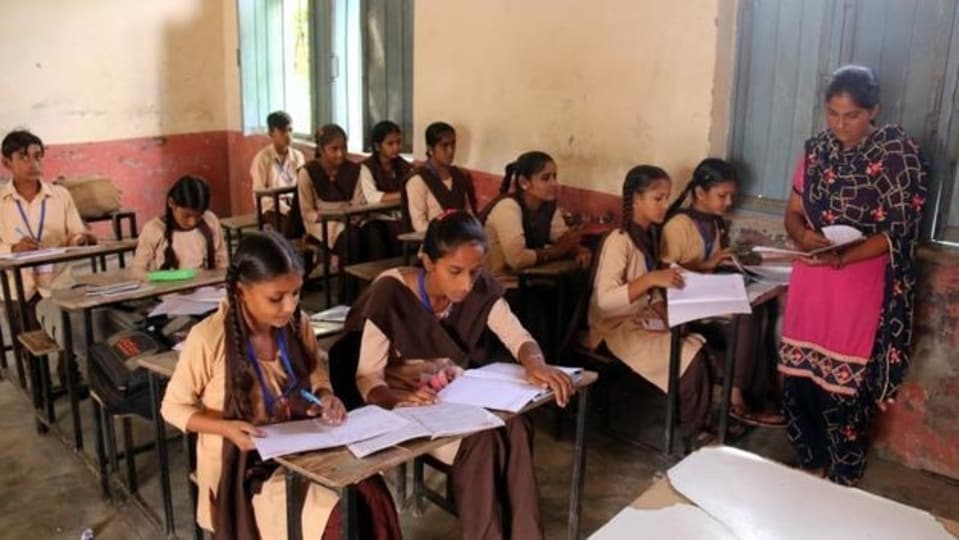
Adolescence, defined by the World Health Organization as ages 10 to 19, is a pivotal stage bridging childhood and adulthood—marked by profound physical, emotional, and social transformation. It is a period of both opportunity and vulnerability, laying the foundation for future employability and empowerment. Yet, policy frameworks have historically grouped adolescent girls with either children or adult women, overlooking their distinct needs. Emerging data underscores the urgency of recognising them as a unique demographic. To truly harness India’s youth dividend, adolescent girls must be brought into sharper focus through policies that address their challenges and unlock their full potential.
India is home to 253 million adolescents, nearly 47% of whom are girls (Census 2011). This formidable demographic holds immense promise—if nurtured with intention and equity. These formative years mark the transition from classroom to workplace, shaping individual futures and the nation’s trajectory. Encouragingly, the Female Labour Force Participation Rate rose to 37.0% in 2023, a 4.2 percentage point increase driven by investments in education, skilling, entrepreneurship, and workplace safety. Yet this remains among the lowest in the G20, underscoring that our progress is incomplete.
The National Youth Policy (2021) outlines a ten-year vision for youth empowerment but realizing this vision demands addressing systemic barriers that adolescent girls face—particularly school retention. While primary-level dropout rates for girls stand at 1.35%, they surge to 12.25% at the secondary level. The pandemic deepened these challenges: ASER 2023 found that nearly one in four girls aged 14–18 could not read a grade 2-level text. These are not just statistics—they represent lost potential and missed opportunities.
According to ASER 2023, 86.8% of 14–18-year-olds were enrolled in an educational institution, yet gender gaps persist—3.9% of 14-year-olds and 32.6% of 18-year-olds are currently not enrolled. Investing in girls’ education is not only a moral imperative but also an economic strategy for inclusive, sustainable growth.
The roots of these gaps whether systemic, structural, or circumstantial—are well understood. They stem from interlinked issues such as gender inequity, socio-economic disparity, limited financial literacy, restricted access to reproductive health, and entrenched cultural norms. Fortunately, India is not starting from scratch. The country has a strong legacy of policy interventions integrating adolescent girls into the national development agenda.
As early as the 1980s, the First National Health Policy (1983) and the National Education Policy (1986) introduced women-focused programmes. The 1990s brought increased attention to child protection and reproductive and sexual health awareness through initiatives like the National Nutrition Policy and Kishori Shakti Yojana. The next decade—especially during the 10th and 11th Five-Year Plans—saw progress across vocational education, women’s empowerment, reproductive health, and protection from domestic violence.
After 2010, policy design became more multi-sectoral, recognizing adolescent girls as a distinct category rather than grouping them with women or children. Flagship initiatives such as Mission Vatsalya and Beti Bachao Beti Padhao exemplify this evolution and continue to drive lasting change. However, deep-rooted inequities persist. Despite gains in primary education, only 47% of adolescent girls are enrolled in secondary school, and 51% drop out by age 15. Families often prioritise boys’ education, and ASER 2023 highlights a significant digital divide—43% of male students have access to mobile or digital devices compared to just 19% of female students. Adolescent girls from low-income communities face the steepest challenges and need urgent inclusion, advocacy, and support to complete education and become job- and life-ready.
Organisations like Room to Read India are bridging these gaps through the Girls’ Education Programme (GEP), which blends academic support with life skills such as financial literacy and decision-making. Khileshwari, a GEP alumna from Chhattisgarh, began teaching children during the Covid-19 lockdown and now, as a post-graduate, continues to uplift her community. She is one of 396,050 girls transformed by the program—many of whom have become change-makers, creating ripple effects in education, health, safety, and economic empowerment for generations.
To realise India’s youth dividend, adolescent girls must move from the margins to the centre of our development agenda. Empowering them through sustained investment, equitable opportunity, and strong policy implementation will not only shape their futures but define India’s trajectory toward inclusive and sustainable growth.
This article is authored by Poornima Garg, country director, Room to Read India.


