
 E-Paper



Strengthening institutional responses to violence against women
This article is authored by Anjali Guntur, director of programmes, Raksha Inc., Georgia, US.

 Prefer HTon Google


Violence against women and girls (VAWG) remains a deeply entrenched issue worldwide. While India has made significant legal and social progress, challenges in institutional response and service delivery persist. The US has developed coordinated frameworks that ensure accountability, survivor support, and systemic reform. Although the two countries differ in context, India can adapt several US strategies to strengthen its fight against gender-based violence.
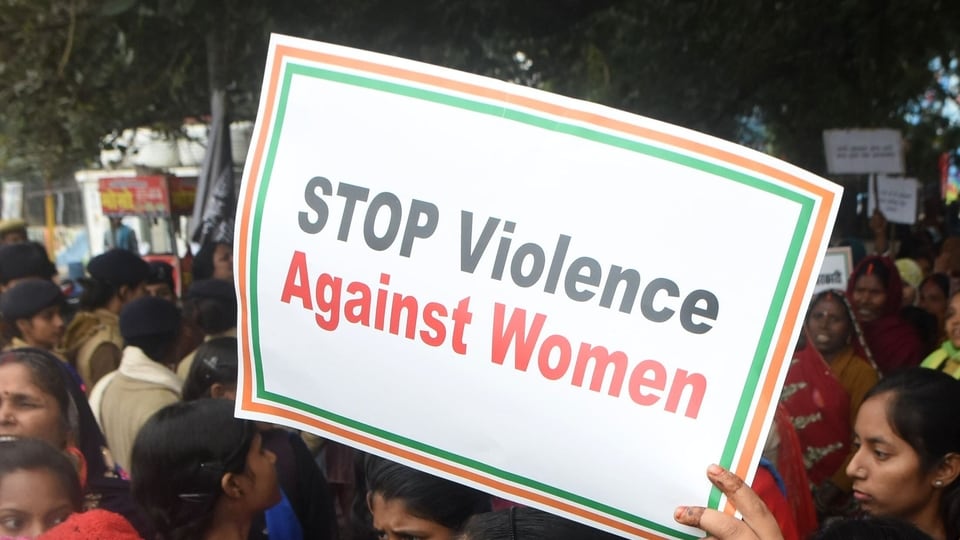
A central pillar of the US approach is strong legislation. The Violence Against Women Act (VAWA), first passed in 1994, funds shelters, legal aid, law enforcement training, and court reforms. Other key laws include Title IX, addressing sexual violence in educational institutions, and the Family Violence Prevention and Services Act (FVPSA), supporting community-based services.
India, too, has progressive laws such as the Protection of Women from Domestic Violence Act (PWDVA), Section 498A of the Indian Penal Code, and the Sexual Harassment of Women at Workplace Act (POSH). However, uneven enforcement and lack of survivor-friendly procedures hinder their effectiveness. India could strengthen monitoring mechanisms and ensure survivors receive sustained support.
India has also taken meaningful steps forward. One Stop Centres (OSCs) across districts offer centralised access to medical, legal, and counselling services. Initiatives such as Sakhi Centres, women-only police stations, and help desks in regular police stations aim to make law enforcement more approachable. Campaigns like Beti Bachao Beti Padhao have increased awareness of gender equality. In some states, partnerships between NGOs and local governments have created innovative community-based prevention models. These show India’s capacity for reform—what is needed now is scale and consistency.
In the US, institutional coordination is a hallmark of the response to VAWG. The Office on Violence Against Women (OVW) coordinates federal efforts, funds local organisations, and monitors best-practise implementation. Multi-sectoral task forces—linking police, courts, hospitals, and NGOs—ensure survivors receive coordinated, trauma-informed care. While India’s PWDVA framework envisions similar collaboration, it often falls short in practice. Building stronger cross-sector linkages with joint training and shared protocols could improve outcomes.
Funding is another key factor. US federal grants flow to shelters, legal aid, culturally specific programmes, and professional training. These funds are sustained through legislation like VAWA and FVPSA. India’s Nirbhaya Fund finances women’s safety initiatives, but delays in disbursement and limited awareness at the local level reduce its impact. Simplifying access and ensuring regular monitoring would improve service delivery.
Specialised response systems are another strength of the US model. Domestic violence courts handle cases with trained staff, and Sexual Assault Response Teams (SARTs) coordinate timely medical and legal support. India could pilot similar models in high-incidence districts and expand trauma-informed training for police, medical staff, and judges.
Reliable data underpins effective policy. US agencies like the Centres for Disease Control and Prevention (CDC) and the Bureau of Justice Statistics gather national data on VAWG trends, informing funding and strategy. India’s National Crime Records Bureau (NCRB) compiles annual crime statistics but underreporting and lack of disaggregated data limit their usefulness. Developing real-time, detailed data systems would enable more targeted interventions.
Technology plays a growing role in survivor support. The US offers 24/7 national hotlines, mobile safety apps, secure messaging, and digital privacy guidance. India’s helplines (112, 181) exist but are underused due to limited awareness and inconsistent quality. Improving responsiveness, offering regional language options, and linking helplines directly with service providers could increase their effectiveness.
Infrastructure is another critical factor often overlooked in VAWG discussions. In many parts of India, women lack access to clean public restrooms, reliable street lighting, safe public transport, and affordable hygiene products. These deficiencies not only restrict mobility but also heighten vulnerability to violence. Addressing these everyday barriers is as important as strengthening laws and institutions.
The US experience shows that a multi-layered approach works best, one that combines robust laws, dedicated agencies, interagency coordination, targeted funding, survivor-centred systems, inclusive services, reliable data, technology integration, and safe infrastructure. For India, adapting these lessons to its unique context can help create a more responsive, survivor-centred ecosystem, one where every woman, girl, and marginalised survivor can live free from violence and fear.
Ultimately, institutional change must be at the heart of the solution. Strong laws are essential, but without trained professionals, coordinated services, sustainable funding, and inclusive practices, they cannot achieve their full potential. India has already demonstrated it can innovate and adapt; the challenge now is ensuring that reforms are implemented consistently across all regions and reach all survivors.
This article is authored by Anjali Guntur, director of programmes, Raksha Inc., Georgia, US.


