
 E-Paper



Energy price risks mount for India
This article is authored by Hriday Sarma, senior fellow, South Asia Democratic Forum, Brussels.

 Prefer HTon Google


At least 11 LNG tankers sailing without cargo have slowed, turned back or stopped in or around the Strait of Hormuz, with the number expected to rise in the coming days, potentially disrupting Qatari exports and wider LNG flows through the critical waterway. The slowdown follows coordinated US-Israel strikes on Iran and Tehran’s missile retaliation across the Gulf, triggering heightened security concerns for commercial shipping.
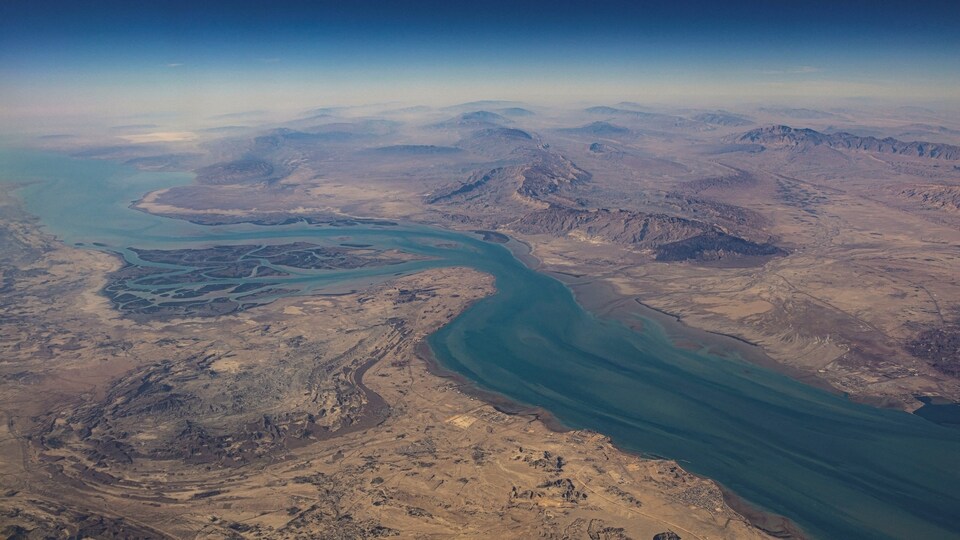
Tanker association INTERTANKO said the US Navy had warned it could not guarantee safe navigation across the Gulf, Gulf of Oman, North Arabian Sea and the Strait of Hormuz. Several oil traders and shipping groups have suspended crude and fuel shipments as a precaution.
Supertankers such as Eagle Veracruz and Front Beauly, each capable of carrying around two million barrels of crude, were reported halted near the Strait’s approaches. Although at least 17 tankers were still transiting, a growing queue of vessels slowing, turning back or waiting highlights rising maritime risk around a corridor that carries nearly 20 million barrels per day (bpd) — roughly 20% of global oil consumption — and about one-fifth of global LNG trade.
The military escalation began with Israeli strikes described as “pre-emptive,” followed by what the US called “major combat operations” against Iranian targets. Tehran responded by firing missiles toward Israel and at US-linked sites in Qatar, the UAE, Kuwait and Bahrain. Shipping advisories urging vessels to remain at least 30 nautical miles away from US military assets, along with radio warnings attributed to Iranian naval sources, have prompted major operators including Japan’s Nippon Yusen and several Greek merchant fleets to reassess or pause Hormuz transits.
Even without a formal blockade, heightened risk perception is slowing traffic through one of the world’s most vital energy arteries. Insurers are raising war-risk premiums and freight rates are firming up, embedding higher structural costs into future oil and gas cargoes. India’s growing reliance on spot LNG purchases to meet peak power and industrial demand means volatility in Asian gas benchmarks could quickly translate into higher landed costs and subsidy pressures.
Energy markets have begun factoring in disruption risk. With mainstream futures markets closed over the weekend, retail trading platforms showed West Texas Intermediate (WTI) crude rising as much as 12% intraday, signalling early volatility. Analysts say even partial interference in Hormuz could add a significant geopolitical premium to Brent crude. For India, every $10 per barrel rise in crude prices can increase the annual import bill by roughly $15-18 billion, depending on import volumes and the rupee-dollar exchange rate. If tensions persist or escalate further, prices could test the $100 per barrel mark, particularly if physical supply disruptions materialise.
The LNG market faces parallel pressure. Qatar, the world’s second-largest LNG exporter with roughly 20% of global supply, routes nearly all its shipments through Hormuz. According to data analytics platform, Kpler, more LNG carriers could slow or halt in the coming days. Any sustained impairment to Qatari exports would tighten Asian and European gas markets, which remain sensitive after years of supply shocks.
Alternative export routes offer limited relief. Saudi Arabia’s East–West Pipeline can divert up to five million bpd to the Red Sea, while the UAE’s Habshan–Fujairah pipeline can move about 1.5 million bpd, but combined capacity falls well short of the volumes that normally pass through Hormuz. Iraq’s northern export pipeline to Turkey handles only a fraction of its output, and Kuwait, Bahrain and Qatar remain heavily dependent on the strait. Even escorted convoys would slow flows and increase costs.
For India, the implications are significant. The country imports nearly 85–90% of its crude oil, with 40–50% sourced from West Asian producers whose exports pass through the Strait of Hormuz. A sustained rise in oil prices would inflate India’s import bill, widen the current account deficit and pressure the rupee. Higher crude costs typically translate into increased fuel prices, affecting transport, manufacturing and food supply chains, and potentially stoking inflation.
India is also a major LNG importer and depends on West Asia for nearly all of its LPG supplies. Any sharp rise in global gas prices would increase electricity generation costs and fertiliser subsidies, adding further strain to public finances and widening the government’s subsidy burden.
New Delhi has urged restraint and diplomacy while issuing urgent safety advisories for Indian nationals in Gulf States. Strategic petroleum reserves and diversified sourcing provide some buffer, but they cannot fully insulate India from globally determined price swings.
The mounting tanker backlogs, suspended shipments and escalating military activity are already reshaping energy market expectations. Even absent a physical closure, prolonged uncertainty may sustain higher oil and gas prices in the weeks ahead--with direct consequences for India’s economy and inflation outlook.
This article is authored by Hriday Sarma, senior fellow, South Asia Democratic Forum, Brussels.


