
 E-Paper



Significance of Trump-Putin summit in Alaska for India
This article is authored by Pravesh Kumar Gupta, associate fellow (Eurasia), Vivekananda International Foundation, New Delhi.

 Prefer HTon Google


On August 15, 2025, Anchorage, Alaska, will host a landmark summit between the US President Donald Trump and Russian President Vladimir Putin. The meeting holds significance as its success could reshape global geopolitics. For India, this summit represents a delicate balancing act in its strategic interests, while Europe watches with growing apprehension, wary of a deal that might undermine its security architecture.
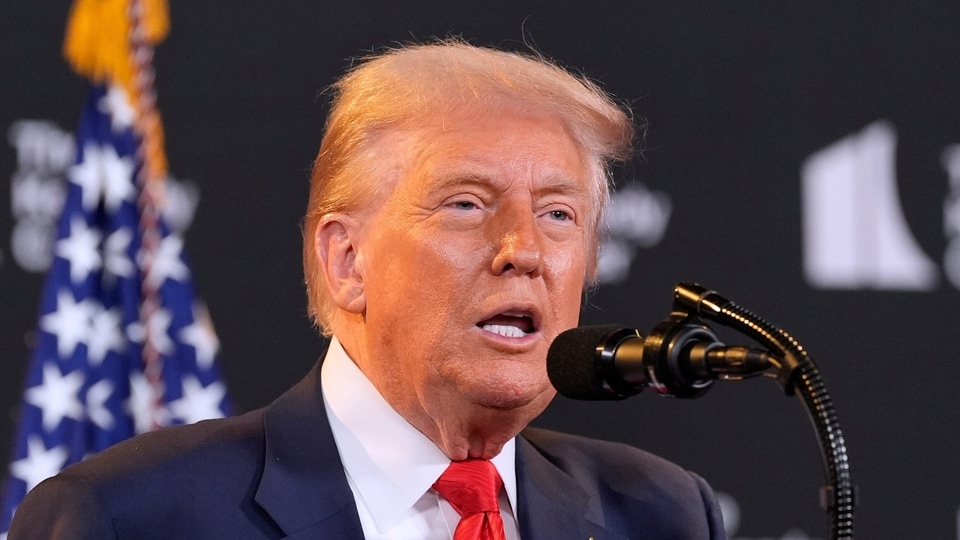
Despite facing a tirade on tariffs by Trump in the last few weeks, India has warmly endorsed the Trump-Putin summit, with the ministry of external affairs stating it “holds the promise of bringing an end to the ongoing conflict in Ukraine and opening up prospects for peace.” Echoing Prime Minister Narendra Modi’s oft-repeated maxim, “This is not an era of war,” New Delhi sees the talks as a potential step toward de-escalation. India’s support stems from its long-standing ties with Russia, a key supplier of oil and arms, and its desire to maintain strategic autonomy amid US pressure. Recent US tariffs—25% on Indian oil purchases from Russia, doubled after reciprocal measures have strained Indo-US relations, making a summit that could ease sanctions on Russia particularly appealing. A resolution in Ukraine might stabilise global energy markets, benefiting India’s economy, which relies heavily on discounted Russian crude and easing tension with the Trump led US administration.
India's stance on the Russia-Ukraine war has been nuanced, as the country balances its historical ties with Russia while navigating relationships with other major global players.
New Delhi has played a quiet role in passing messages between Moscow and Kyiv, reflecting its commitment to dialogue over confrontation. Modi’s recent phone call with Putin, where he was briefed on Ukraine developments, underscores India’s vested interest in a positive outcome. A successful summit could reduce US sanctions pressure, allowing India to continue its energy trade with Russia without punitive costs. However, New Delhi treads carefully, aware that backing a deal involving territorial concessions could alienate Ukraine and western partners, complicating its growing ties with the US and Europe. India’s endorsement, therefore, is less about endorsing territorial swaps and more about advocating for peace to serve its economic and strategic interests.
In contrast to India’s position, Europe’s reaction to the summit is markedly less enthusiastic, colored by fears that Trump’s deal-making could undermine NATO and Ukraine’s sovereignty. European leaders, particularly in Poland, Germany, and the Baltic states, are alarmed by Trump’s suggestion of “swapping territories” to end the war, a proposal Ukrainian President Volodymyr Zelenskyy has called “unacceptable.” Reports suggest the US is pushing a deal where Russia would retain Crimea and parts of Donbas while ceding Kherson and Zaporizhzhia, a plan that has sparked dissent among European allies. Zelenskyy’s insistence that “decisions without Ukraine are against peace” reflects a broader European concern that a bilateral US-Russia agreement could sideline Kyiv and weaken the EU’s influence.
NATO members, already rattled by Trump’s past skepticism toward the alliance, fear a deal could embolden Putin’s expansionist ambitions, threatening Eastern Europe’s security. In this backdrop, there is a possibility that some European States may act as spoilers, resisting any agreement that legitimises Russia’s territorial gains. France and Germany, while open to diplomacy, have emphasised that Ukraine must be central to any negotiations, a stance at odds with Trump’s unilateral approach. The EU’s frustration is compounded by its own sanctions’ regime, which has failed to cripple Russia’s economy, partly due to countries like China and India continuing to buy Russian oil. This creates a transatlantic rift, with Europe wary of being sidelined in a US-Russia bargains that could reshape its eastern flank.
The summit’s Alaskan setting amplifies its geopolitical weight. For India, the Arctic is a distant but emerging interest, with investments in Russian energy projects like those in the Yamal Peninsula. A thaw in US-Russia tensions could revive deals like the Rosneft-Exxon Arctic venture, potentially opening opportunities for Indian firms. Europe, however, sees the Arctic as a strategic flashpoint, with Russia’s militarisation and China’s growing presence raising concerns for NATO members like Norway. A US-Russia agreement on Arctic resources could destabilise the region’s delicate balance, leaving Europe to navigate a new power dynamic.
For the US, a Trump-Putin summit could yield significant political and strategic benefits, primarily by bolstering Trump’s image as a decisive leader capable of tackling global conflicts like the Russia-Ukraine war. A successful negotiation could lead to a ceasefire, enhancing U.S. influence in European security and potentially securing concessions from Russia, such as reduced alignment with China or energy market stabilisation. However, there are also substantial risks associated with the summit which could result in a more fractured world order.
For Russia, the summit offers a chance to break its diplomatic isolation and reinforce Putin’s global legitimacy. Russia could push for favorable terms in Ukraine, like securing Donbas and Crimea or blocking Ukraine’s NATO path, aligning with Moscow’s long-term goals. Yet, Putin faces challenges such as overplaying demands, risks stalling talks, and any agreement requiring significant concessions could weaken his domestic narrative of strength. The summit’s optics may benefit Russia more than the U.S. unless Trump extracts clear strategic wins, making the outcome a delicate balance of power and perception for both leaders.
Given the high stakes and complex dynamics, it is prudent to adopt a wait-and-see approach until the Trump-Putin summit occurs. One can hope that both leaders navigate their strategic interests and domestic pressures to make the summit successful, potentially advancing peace in Ukraine and mutual benefits, though the outcome remains uncertain and fraught with risks for both the US and Russia.
This article is authored by Pravesh Kumar Gupta, associate fellow (Eurasia), Vivekananda International Foundation, New Delhi.


