
 E-Paper



Tariffs, turmoil and the legal fine print
This article is authored by Pratik Bakshi, counsel (ESG), BTG Advaya.

 Prefer HTon Google


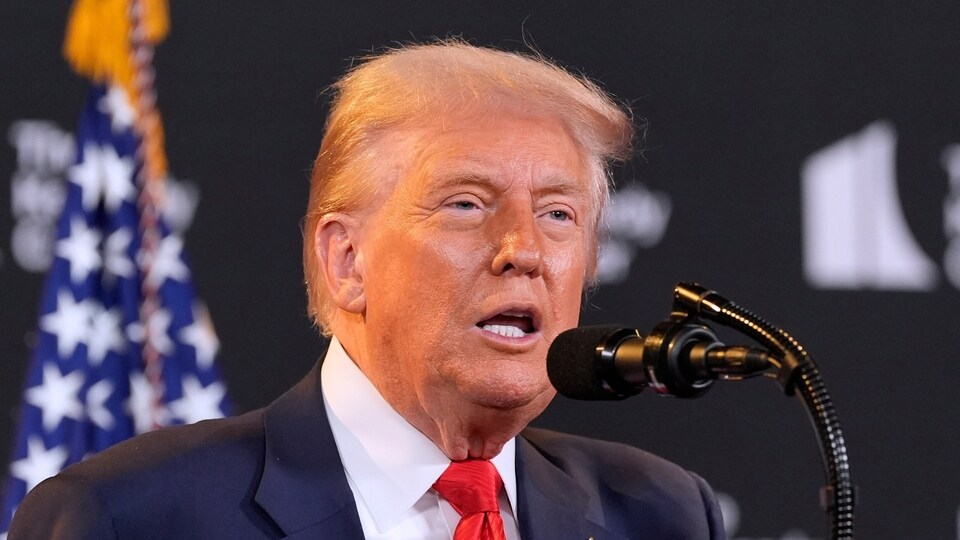
In an unexpected and sweeping trade policy move, US President Donald Trump announced a steep 50% tariff on Indian goods – first introducing a 25% duty and then doubling it days later. The decision comes as a retaliation for India’s continued purchase of discounted Russian oil and arms, and is likely to shake the foundations of India–US trade relations. But beyond the political theatre, businesses on both sides must rush to look into their supply contracts, interpret and renegotiate terms, or find ways to walk away.
The crux of the issue lies in how existing supply, procurement and distribution agreements deal with unforeseen costs like tariffs. Unfortunately, many contracts are ill-equipped to absorb this level of disruption.
For Indian exporters, the steep escalation from zero to 50% duties is likely to make several export deals commercially unviable overnight. Yet, under Indian law, there is no automatic right to walk away.
Most contracts don’t treat tariff increases as force majeure events unless explicitly drafted to include such scenarios. Courts in India have consistently held that financial unworkability, however severe, does not excuse contractual performance. Unless the tariff makes it outright impossible to carry out the contract, claims of frustration are unlikely to hold under Indian contract law. Standard ‘change in law’ clauses, where they exist, may also fall short unless they specifically mention foreign tariffs.
The result is a legal catch-22. Many exporters are locked into fixed-price arrangements, where cost overruns triggered by tariffs are not considered the buyer’s problem. With razor-thin profit margins now obliterated, businesses must decide whether to perform at a loss, seek re-negotiation, or risk breach.
Indian suppliers, particularly those with wafer-thin margins may be unable or unwilling to adjust. The result? Litigation, arbitration, or broken supply chains.
As the tariff tide rises, the margin for legal error shrinks. Exporters who fail to revisit their contract structures now may find themselves stranded – without legal cover, commercial leverage, or the breathing room to adapt.
If there’s one clear takeaway from the tariff tumult, it’s that the standard contractual boilerplate is no longer enough. The legal architecture underpinning cross-border trade must evolve to meet a world where policy shifts can redraw profit margins overnight. We have learnt from the Covid-19 pandemic that businesses can no longer rely on vague force majeure clauses or outdated templates. Contracts must be built to absorb volatility whether through explicit tariff adjustment mechanisms, renegotiation triggers, or more expansive definitions of political force majeure. Even the choice of governing law and dispute resolution forums, often treated as afterthoughts, can determine how and whether relief is granted when disruptions hit. A clause that holds under Indian law might collapse under an international regime, or vice versa.
In the short-term, the impact of these tariffs will not be evenly distributed. Big export houses with diversified customer bases may find ways to pivot, hedge, or restructure deals. But for many smaller businesses, especially those bound by fixed-price supply contracts and operating on wafer-thin margins, the damage may be swift and irreparable. Some may seek temporary relief through notices and re-negotiations. Others may default, re-route shipments through alternative jurisdictions, or end up in costly dispute resolution. There’s no single playbook – just a narrowing set of legal and commercial options as time passes.
Ultimately, trade wars rarely feel like wars until the paperwork begins to fall apart. The diplomatic soundbites quickly give way to commercial silence – missed deliveries, frozen payments, broken contracts. For Indian exporters, the Trump tariffs are not just a test of trade resilience, but of legal robustness. If businesses are to withstand this and future shocks, the solution lies not just in lobbying for policy change, but in refining the fine print before the next storm arrives.
This article is authored by Pratik Bakshi, counsel (ESG), BTG Advaya.


