
 E-Paper



India’s travel boom is creating a lost-luggage problem nobody talks about
This article is authored by Jesintha Louis, founder, Owners ID.

 Prefer HTon Google


Every frequent traveller knows the feeling of standing beside a baggage carousel, watching dozens of identical suitcases circle past while wondering, "Has mine already gone by?" For years, we've associated that anxiety with airlines losing luggage. The reality is very different.
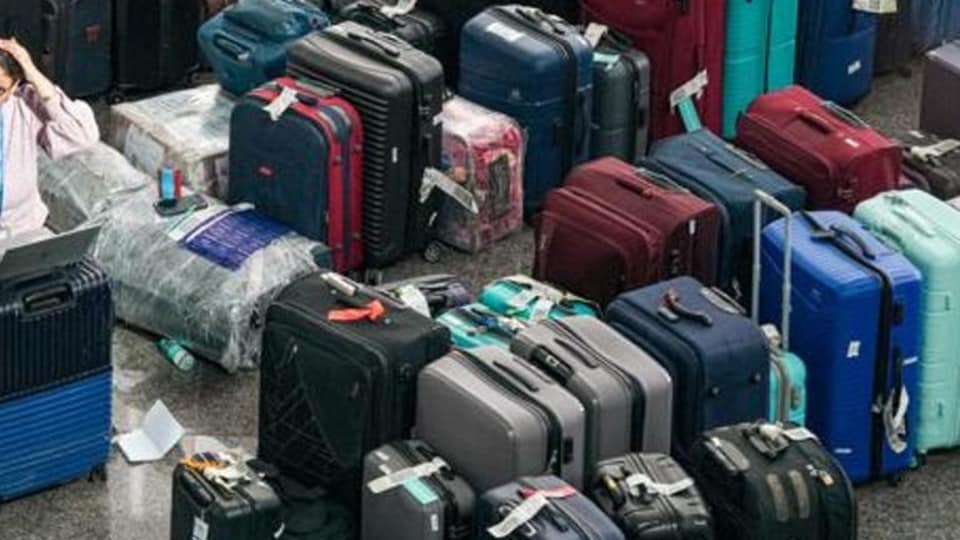
Today's airline baggage systems are remarkably efficient. More than 99% of checked baggage is eventually reunited with its owner, and most mishandled bags are simply delayed rather than permanently lost. Delays are often caused by tight transfer windows, late check-ins, airport code mix-ups, adverse weather or operational disruptions. Even in the rare cases where baggage is genuinely lost, it is often because the airline baggage tag has been damaged or detached, leaving automated systems with no reliable way to identify where the suitcase needs to go.
Which brings me to a controversial thought, the airline doesn't lose your luggage. We do. The biggest recovery challenges happen outside the baggage handling system. We accidentally pick up someone else's suitcase because it looks identical to ours. We leave our backpack in a taxi after reaching the hotel. We forget a cabin bag in the overhead compartment. We walk away from an airport café or lounge without our shopping bag. None of these situations are airline failures. They are recovery problems.
India is experiencing one of the fastest travel booms in the world. Airports are expanding, passenger numbers continue to rise, and millions of first-time travellers are taking to the skies every year. Yet while the way we travel has transformed dramatically, the way we identify our belongings has barely changed.
Walk through any baggage carousel in India and you'll see rows of nearly identical hard-shell suitcases. To make them easier to recognise, travellers tie ribbons around handles, wrap colourful straps across their luggage or stick bright labels on the corners. It works—until everyone starts using the same red ribbon, the same yellow strap or the same fluorescent luggage belt.
The problem isn't transportation anymore. It's identity. The airline baggage tag was never designed to identify the owner. It is a logistics label, created to move luggage from one airport to another. Once that paper tag is damaged or removed, the suitcase is left with very little identity of its own. That is why I believe India needs to rethink one of the most overlooked travel essentials—the luggage tag.
In many mature travel markets, permanently identifying luggage is considered a basic travel habit. However, traditional luggage tags expose names, phone numbers and addresses, making many travellers uncomfortable from a privacy perspective. In a digital-first world, there is an opportunity to build something better. For example our digital identity platform uses QR-enabled luggage tags and luggage stickers that allow an honest finder, airport staff member or fellow traveller to contact the owner without seeing their personal phone number or address. Because QR codes are universally recognised and require no special hardware, the solution works globally, enabling anyone to help return a misplaced item without worrying about international calling charges, country codes or language barriers.
As India's travel ecosystem continues to evolve, I believe digital identity for luggage will become just as important as digital boarding passes and online check-ins. Looking ahead, airports and the travel industry may eventually explore standardised digital identity systems that complement existing baggage infrastructure—not only to improve lost-and-found recovery, but also to assist in identifying unattended baggage more efficiently and securely.
This article is authored by Jesintha Louis, founder, Owners ID.


