
 E-Paper



What if India’s next wave of change comes from its elders?
This article is authored by Swetha Totapally, partner and regional director, Asia-Pacific, Dalberg Advisors.

 Prefer HTon Google


When we imagine the future of India, we often picture a younger generation: The next entrepreneur, innovator, or changemaker. But a quieter shift is underway, led by older adults who are redefining what it means to grow older in today’s India.
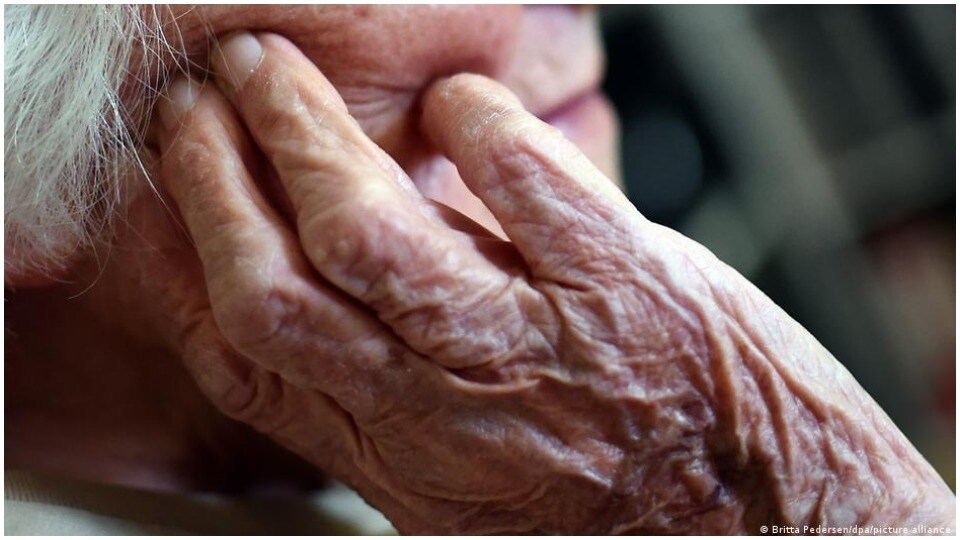
By 2047, 300 million or nearly one in five Indians will be over the age of 60. But the significance of this shift isn’t just demographic; it is a social shift that calls for redesigning how we think about contribution, work, and care in later life. Even today, 36% of older adults are still working, and only 6% are formally retired. This signals a quiet but important shift in how people approach later life, one that challenges the old idea of ageing as withdrawal.
From urban hubs to rural districts, older adults are taking on new and varied roles: supporting local governance forums, teaching digital skills, running small enterprises, and mentoring younger colleagues. In some cases, they are stepping back into the workforce with flexible hours; in others, they are shaping their communities in volunteer and caregiving roles. These are not fringe cases, they represent a growing desire among older adults to stay connected, purposeful, and engaged.
This is where the opportunity lies. India’s older population contributes an estimated 14 billion hours annually to caregiving, and another 2.6 billion hours to community building; a vital form of social infrastructure that often goes unnoticed.
A recent report by Dalberg, Longevity: A New Way of Understanding Ageing, reflects a clear trend: people are living longer and want those years to be active, meaningful, and self-directed. Many are seeking opportunities to continue contributing, not despite their age, but because of the experience and perspective it brings.
Yet while aspirations are evolving, the institutions around them: workplaces, education systems, urban infrastructure, even caregiving frameworks, have not kept pace. Addressing this gap means going beyond health and retirement savings and asking: How do older adults want to contribute? What systems enable those choices? And what assumptions are holding us back?
Today, formal pathways for lifelong learning remain rare. Workplaces are often designed for younger employees, and few offer the kind of flexibility or purpose that older adults seek. There is little infrastructure to support older entrepreneurs, and even less support for those taking on unpaid roles as caregivers or community-builders. The result is a disconnect between what older adults aspire to and what our systems make possible. “The very word retirement comes with pre-fixed notions — a retired person is mentally of no use in public opinion,” says Radhakrishnan, a senior citizen interviewed for the report. “Post-retirement, they need to come out of all of these pre-conceived constructions of retirement.”
Older adults articulate four core aspirations: Freedom, security, well-being, and social connection. These aspirations offer a blueprint for more age-inclusive systems. That could mean rethinking retirement as a transition, not an end. Designing civic spaces that welcome older participants. Building skilling platforms that cater to silver workers. And most importantly, shifting how we understand the purpose and potential of later life. “Older adults seek out safe, community-based spaces that provide creative outlets, such as yoga, dance, and music classes, while also fostering social connections,” says Dr. Asha Banu Soletti, professor at the Centre for Health and Mental Health, School of Social Work, Tata Institute of Social Sciences.
Supporting second careers is just one lever. The larger shift is cultural: From seeing ageing as withdrawal to seeing it as a different stage of contribution.
At its heart, this isn’t a story about ageing. It’s a story about choice. Whether we design systems that sideline people as they grow older, or ones that continue to see them as contributors. Whether we hold onto outdated assumptions or embrace the full spectrum of what longevity makes possible. The question now is whether India will lead in building a society where longer lives are not just lived, but fully lived.
This article is authored by Swetha Totapally, partner and regional director, Asia-Pacific, Dalberg Advisors.


