
 E-Paper



Making lung health a lifelong priority
This article is authored by Dr Jaideep Gogtay, global chief medical officer, Cipla.

 Prefer HTon Google


We routinely monitor our blood pressure, cholesterol and blood sugar, often before there are any obvious signs of illness. Yet most of us rarely consider how well our lungs are functioning until a persistent cough, wheezing or breathlessness begins to affect daily life. This oversight is significant because lung health is not just about breathing. Healthy lungs are closely linked to heart health and are often a strong indicator of overall wellbeing. When our lungs function optimally, they support the delivery of oxygen to every organ in the body, helping maintain energy levels, physical fitness and long-term health. In many ways, lung health can serve as a window into our broader health status, making it just as important to monitor and protect as other vital health markers. This reactive approach needs to change and protecting it begins with three actions: Understanding individual risk, recognising persistent changes early and seeking timely medical advice.
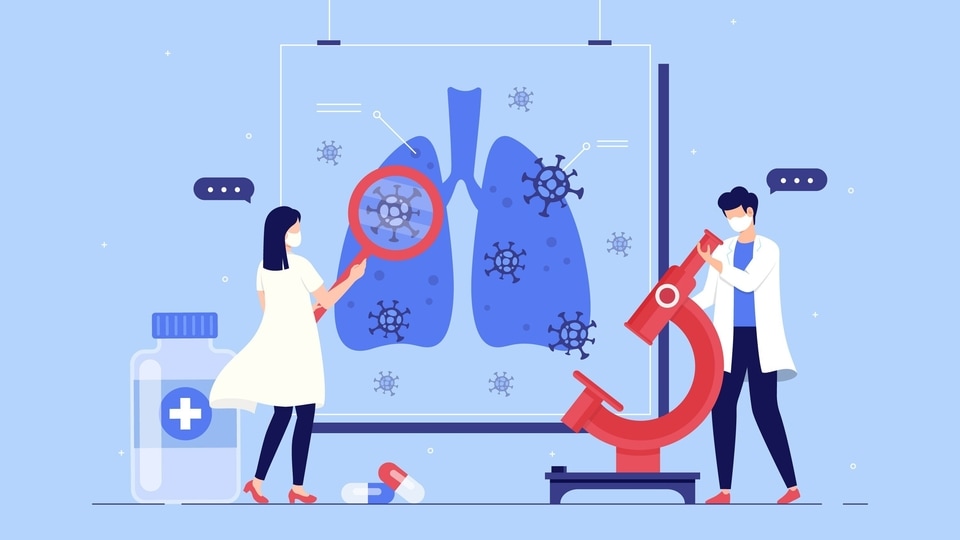
Lung health reflects the cumulative impact of exposures across a lifetime. Tobacco smoke, including second-hand exposure, air pollution, respiratory infections, allergies, maternal nutrition, family health history and occupational exposure to dust, fumes and chemicals can affect lung health and function over time. Poor ventilation and exposure to smoke from household cooking fuels can further worsen lung health. Experiences early in life, including childhood asthma and severe or recurrent respiratory infections, can also influence respiratory health in adulthood.
Risk is, therefore, not limited to people who currently smoke. Past smoking, polluted surroundings, repeated infections and years spent in dusty or poorly ventilated workplaces may all matter.
Consider a few simple questions. Do you smoke, vape or have a history of smoking? Are you regularly exposed to second-hand smoke, polluted air, workplace dust, fumes or chemicals? Have you experienced repeated respiratory infections? Did you have asthma or significant breathing problems as a child? These questions cannot provide a diagnosis, but they can help identify concerns worth discussing with a health care professional.
Changes in lung function can be gradual, and people may unknowingly adapt by walking more slowly, avoiding stairs or reducing physical activity. A persistent or recurrent cough, phlegm, wheezing, breathlessness, frequent respiratory infections or an unexplained decline in exercise capacity or increase in a feeling of tiredness should not simply be attributed to pollution, ageing or smoking. Not every cough indicates a serious condition. What matters is whether a symptom persists, recurs or begins to affect sleep, work, exercise or everyday activities
A visit to a health care professional may be appropriate when symptoms persist or recur, routine physical activity becomes more difficult, respiratory infections are frequent, or there is a history of smoking or prolonged environmental or occupational exposure.
A health care professional can review symptoms and exposure history, conduct a clinical examination and determine whether further investigation is required. Depending on an individual’s risk profile, this may include spirometry, a lung function test that measures the amount and speed of air your lungs can inhale and exhale and supports the diagnosis of conditions such as asthma and chronic obstructive pulmonary disease (COPD). The purpose of assessment is not to create anxiety or assume that disease will be found. It is to replace uncertainty with information and create an opportunity for timely intervention when needed.
The importance of acting early becomes even clearer when we consider the scale of chronic respiratory diseases in India. Asthma affects more than 30 million people in the country, with over half of cases beginning in childhood. COPD remains one of the leading causes of death worldwide and India. Together, asthma and COPD affect an estimated 7-8 crore people in India, placing a significant burden on individuals, families and health care systems.
While these conditions differ in their causes and progression, they share many of the same risk factors, including tobacco exposure, indoor and outdoor air pollution, occupational dust and chemicals, respiratory infections, and a history of asthma or other respiratory problems earlier in life. Recognising these risks and seeking timely assessment when symptoms persist can help support earlier diagnosis, appropriate management and better long-term health outcomes.
Taking charge of lung health also means reducing avoidable exposure. This includes keeping indoor spaces adequately ventilated, eliminating tobacco smoke, following appropriate protective measures in workplaces involving dust, fumes or chemicals, staying up to date with vaccinations recommended by their health care professionals and seeking support to stop smoking or vaping.
It also means resisting the tendency to repeatedly self-manage respiratory symptoms without understanding their cause. Tracking when symptoms occur, what triggers them and how they affect daily activities can support a more informed conversation with a health care professional.
Lung health must become part of preventive health care, just as blood pressure, blood sugar and cholesterol have. Encouragingly, the World Health Assembly adopted resolution on promoting and prioritising an integrated approach to lung health in May 2025. The resolution calls for stronger prevention, early detection, diagnosis and treatment, recognising the combined burden of communicable and non-communicable lung diseases.
Policy and health care systems have a critical role, but individuals must also be equipped to recognise risk and act early. This World Lung Day, the message is clear: Do not wait for breathing difficulties to redefine what feels normal. Know your risks, pay attention to persistent changes and ask whether your lung health needs to be assessed.
Protecting lung health is a shared responsibility across individuals, families, workplaces, communities, health care systems and policymakers. But taking charge begins with one informed question: Am I paying enough attention to what my lungs are telling me?
(The views expressed are personal)
This article is authored by Dr Jaideep Gogtay, global chief medical officer, Cipla.


