
 E-Paper



‘Celebration is way to reclaim power over grief’: Mandana Karimi on Ayatollah Khamenei’s death
Mandana Karimi defends calling Iran’s regime a “cancer,” says Khamenei’s death marks resistance, and backs Reza Pahlavi as a transitional alternative.

 Prefer HTon Google


The death of Ayatollah Ali Khamenei has triggered sharply divided reactions across the world — but for Mandana Karimi, the response among many Iranians is rooted in decades of lived trauma rather than impulse.
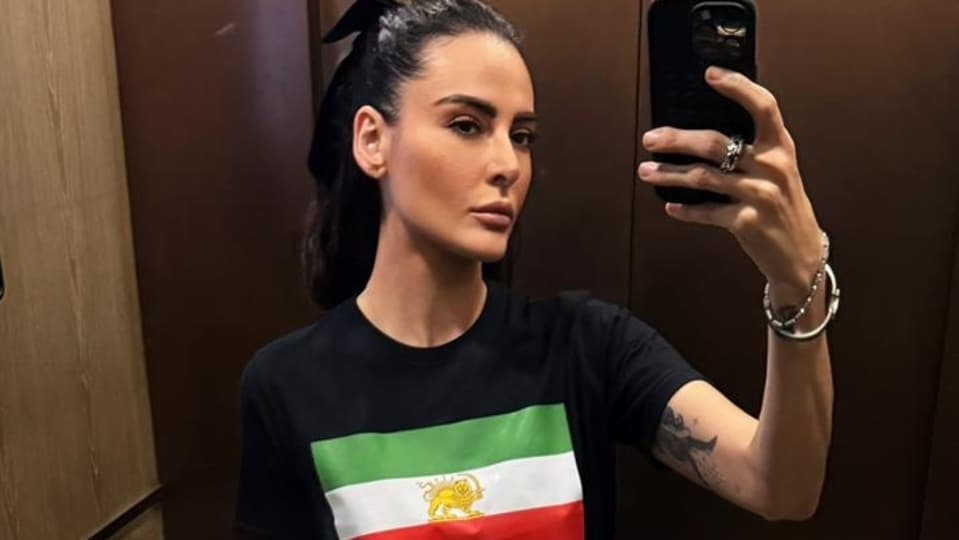
The 37-year-old actor has stood by her description of the Iranian regime as a “cancer cell in the Middle East,” arguing that the phrase reflects a long pattern of repression and regional destabilisation. “When you look at the pattern over decades,” she says, the government has “not respect[ed] negotiation” and has repeatedly escalated tensions while strengthening its military capabilities. “That is why I use the word cancer — because it spreads instability,” adds Mandana
Having lived in India for 15 years, Mandana says she was heartbroken when she was denied permission for a peaceful solidarity gathering, even while Indians protested in support of the Islamic regime. “I love this country, (but) it was heartbreaking that I could not even mourn publicly for my people,” she says.
On the celebrations that followed Khamenei’s death, Mandana rejects the idea that this is about glorifying violence. “No one celebrates innocent loss of life,” she says. “But you cannot ask a nation that has endured decades of executions, imprisonment, torture, and mass crackdowns to react with conventional mourning," she adds.
For many, she explains, celebration has become “a form of resistance… relief that a symbol of repression is gone.”
She also dismisses claims that welcoming the strike amounts to endorsing foreign intervention. “This was not a random foreign agenda imposed on us,” she insists, pointing out that calls for international pressure began after repeated protest movements — from the Green Movement to the Mahsa Amini uprising — were crushed. “No one wants bombs in their country. But when all internal paths to reform are blocked, people begin to look outward.”
Mandana believes this moment feels “structurally different.” The chants of “Javid Shah” and the name “Reza Pahlavi,” she says, “did not start abroad… they started inside Iran.” According to her, many now see Pahlavi as a “transitional alternative” capable of uniting the country.
“This time,” she says, “we are not leaderless. We are organized. We are ready.”


