E-Paper



Bihar's thekua revolution: Start-ups give the humble snack a modern twist
Inspired by its unique taste and rich cultural significance, meet four young entrepreneurs bringing thekua into the mainstream.

 Prefer HTon Google


What modak is to Ganesh Chaturthi, thekua is to Chhath Puja — not just a festive treat, but a sacred offering and a symbol of devotion. The traditional fried delicacy from Bihar is much more than just food — it’s faith served with love. Offered with devotion to the Sun God, thekua holds a sacred place in the rituals of Chhath Puja.
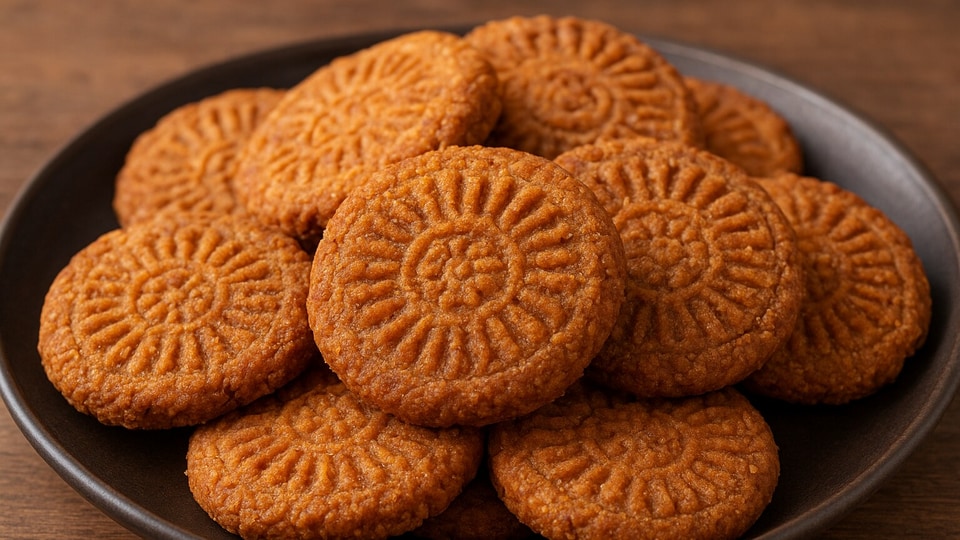
Today, this humble snack is finding new admirers beyond its regional roots. Inspired by its unique taste and deep cultural significance, young entrepreneurs are bringing thekua to the mainstream — packaging tradition with pride and selling it across pan India. From Mai Mithaas, founded by 25-year-old Shashi Ranjan, to Desi Tesi, run by 23-year-old Tilak Pandit, thekua is leaving a lasting impression like never before.
From a college stall to a full-fledged business
“It all started at our college fest. While others sold fast food, I chose to sell a regional snack, thekua. It turned out to be a hit! Everyone loved it, got it packed, and by the end of the day, we were sold out,” recalls 23-year-old Tilak Pandit from Guwahati, Assam.
Encouraged by the response, Tilak decided to turn the experiment into an enterprise. In 2023, he launched his brand ‘Desi Tesi’, inspired by the humble snack deeply rooted in Bihari culture. His mother continues to prepare each batch with care.
“Traditionally, thekua is made using wheat flour, jaggery, and ghee. We are also experimenting with new versions — including an air-fried Thekua for a healthier option,” says Tilak.
Today, Desi Tesi delivers Thekuas across India through its website. After spending the first year understanding the market and earning a profit of around Rs. 2 lakh, Tilak says the figure rose to nearly Rs. 5 lakh last year.
From corporate desk to kitchen tales
While working at an MNC in the Capital, Shashi Ranjan often shared thekuas his mother prepared during Chhath Puja with his friends. They loved the traditional snack so much that they began requesting extra batches, even offering to pay for them as gifts. That encouragement planted the seed for a new venture — one that pays tribute not just to a beloved Bihari delicacy, but also to his mother.
Shashi, 25, soon launched his brand ‘Mai Mithaas’, through which he sells thekuas made by his mother at home. “The idea is to make thekuas available not only during Chhath Puja, but all year round — and to introduce this authentic taste to non-Bihari communities as well,” he says.
Having left his full-time corporate job just two months ago, Shashi now manages the marketing and logistics of the business, while his mother focuses on making thekuas the authentic way. Based in Delhi, he also freelances as a video editor alongside running the venture. Mai Mithaas currently delivers its products across India.
From a packet of thekua to a startup dream
At the heart of ‘Shuddh Swad’ is a 17-year-old dreamer, Jayanta Karmakar, who wanted to popularise regional snacks from across India. The idea struck when Jayanta’s best friend and co-founder Kailash offered him a packet of thekua. The taste was heavenly — but the price was too high, and it was available only during festivals.
“That’s when we realised how many traditional snacks are limited and slowly disappearing,” says Jayanta. “The idea is not just to bring back India’s traditional flavours, but to present them in a modern way.” Launched in 2023 with a small investment, Shuddh Swad, delivering across India, has grown into a team of 15 members, including kitchen staff, marketing experts, and customer support. Based in West Bengal, the brand currently offers two varieties of thekua, one jaggery-based and another sugar-based, with a new cardamom flavour on the way.
While Kailash manages operations full-time, Jayanta continues his studies alongside running the business. “Right now, we’re focused on Thekua, but our goal is to revive all regional snacks,” says Jayanta.
From a small-town idea to a growing brand
Two friends from Basti, Uttar Pradesh are bringing the traditional taste of thekua to homes across India through Swad Heaven. “Jayanta’s story really inspired us,” says Sri Om Soni, 18, who co-founded the brand with his friend Ashutosh Verma, also 18. At their small workshop in Basti, four local women prepare thekuas by hand using traditional recipes passed down through generations.
“Thekua is simple yet special,” says Sri Om, who is pursuing a Bachelor of Fine Arts alongside running the business. “Everyone who tastes it falls in love with it — there’s never a divided opinion on thekua.” To reach more people, the duo promotes their products through Instagram ads, which have helped the brand grow quickly. “While we sell our traditional snacks as well, most of our queries are about thekua,” Sri Om says. “It’s our bestseller, and we’re proud to see something from our region being enjoyed across the country.” The duo also help promote small businesses in their area through e-commerce, encouraging more people to sell regional snacks and crafts online.
The significance and history of thekua
Thekua, a deep-fried cookie made with wheat flour, jaggery, and ghee, is one of Bihar’s most beloved traditional sweets. The dough is shaped and traditionally pressed (thokna) with wooden moulds called sakora to create intricate patterns before being fried to a crisp golden brown. Known for its rich taste and long shelf life, the sweet remains fresh for days without refrigeration.
The name thekua is derived from thekna or thokna, meaning “to press” or “to stamp.” Over time, the term came to represent both the process and the delicacy itself. Symbolising purity and devotion, thekua is made by hand using natural, preservative-free ingredients, a tradition that continues to this day.
Folklore from rural Bihar and eastern Uttar Pradesh tells the story of a mother who offered handmade Thekuas to Lord Surya while praying for her child’s health and long life. When her prayers were answered, other women began following the same ritual during Chhath Puja — a practice that turned thekua into an enduring symbol of faith and maternal devotion.