
 E-Paper



Durga Puja 2024: Why do Bengali women wear the iconic red and white saree, known as laal par?
Explore the history and meaning behind the beautiful laal-par saree and why it is integral to Bengali celebrations.

 Prefer HTon Google


Have you ever witnessed Bengali women draped in the red and white saree during the vibrant festivities of Durga Puja? This visually striking attire, known as the laal-par saree, holds deep cultural significance and is steeped in centuries of tradition. Let’s explore the history and meaning behind this beautiful garment and why it continues to be an integral part of Bengali celebrations.
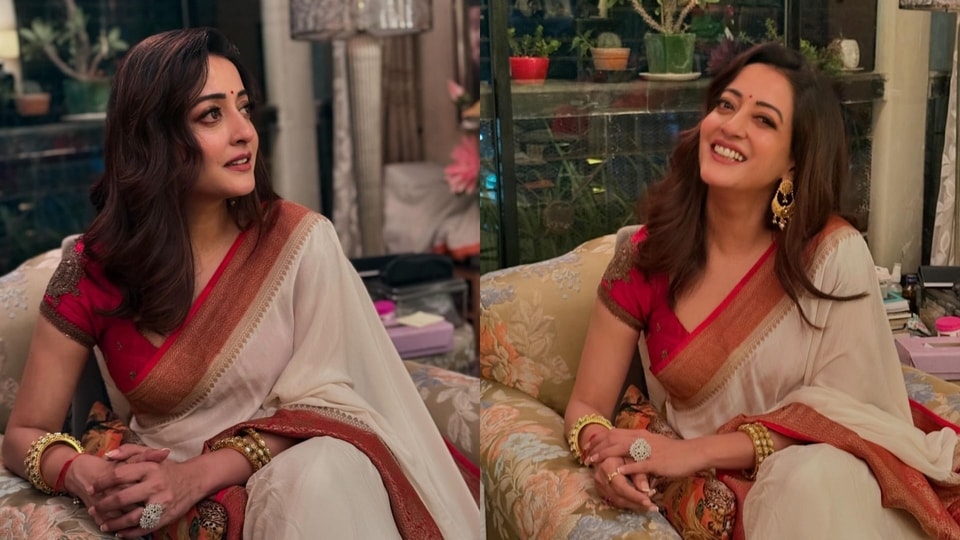
“The origin of the laal-par saree can be traced back to ancient Bengal, where it was handwoven using local cotton or silk and its borders dyed with natural pigments,” explains designer Prerna Singh. It became a symbol of the freedom movement in colonial times, rejecting Western influences and embracing traditional attire. Today, it is a celebration of women’s strength, as designer Ritika Singh Goyal notes, “It symbolises the power of Durga, the epitome of feminine strength.”
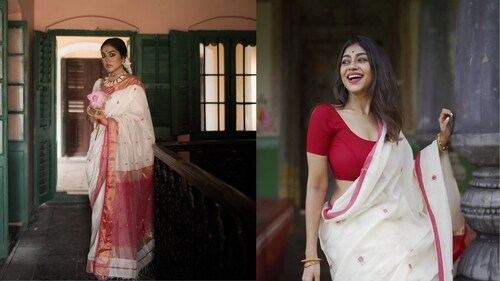
One of the most iconic moments when this saree is worn is during Sindoor Khela on Vijayadashami, the final day of Durga Puja, a ritual where married women joyously smear each other with red sindoor, representing the victory of good over evil. “Wearing the laal-par saree during auspicious events is a mark of honouring Maa Durga, the embodiment of power and protection,” says Aditi Bose, a fashion student. Women also pair this attire with white conch shell bangles (shakha), red coral bangles (pola), and the traditional red sindoor on their forehead, a symbol of marital status.
While the laal-par saree is steeped in tradition, the fashion industry has begun to reimagine it, adding modern elements without losing its cultural essence. Designers now play with fabrics like silk, chiffon and organza instead of the traditional cotton, creating a more versatile and luxurious garment. “We are seeing intricate embroidery, zari work, and even modern motifs along the red borders, giving the traditional saree a contemporary twist,” says designer Rashi Kapoor.


