
 E-Paper



Bhogali Bihu 2026: A deep dive into how Assam celebrates its grand harvest festival of food and fire
As the harvest ends, the feasting begins. From the smoky aroma of Mejis to the sweet crunch of Til Pitha, Assam transforms in January

 Prefer HTon Google


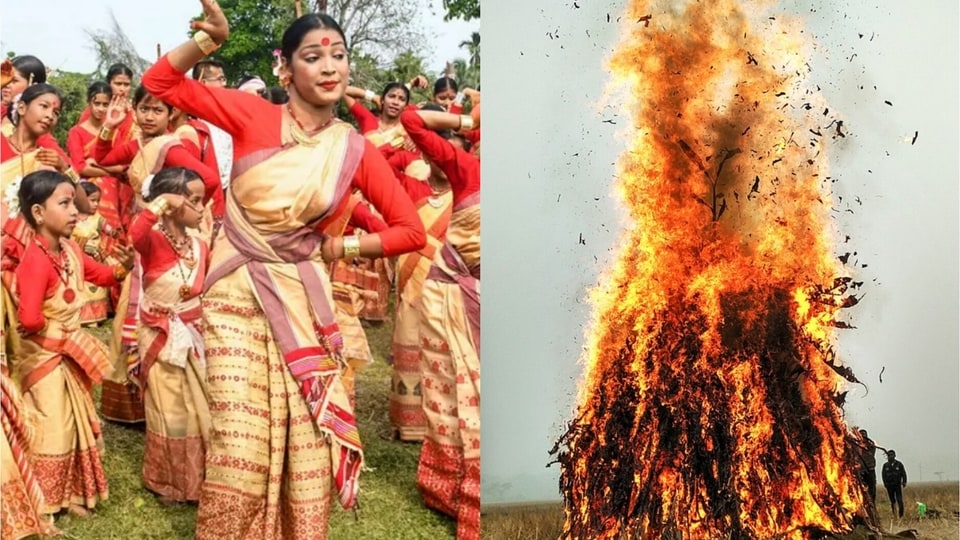
As January 15th arrives, a festive hush will settle over Assam. Smoke rises from blazing Meji fires, and the aroma of freshly made pithas drifts through the air. Also known as Bhogali Bihu, this is the festival of feasting. It marks the end of the harvest season, a time when granaries are full, and the hard-working agricultural folk of the state finally sit down to reap the benefits of their labour.
Bhogali Bihu in the city
While Magh Bihu is rooted in the soil, city dwellers in Guwahati have their own modern traditions. From the first week of the New Year, streets and bazaars like the bustling Ganeshguri come alive with temporary kiosks. City folk are spoilt for choice as they hunt for feast essentials like crunchy seera (flattened rice), akhoi (puffed rice), and bora saul (sticky rice), hand-rolled til laru (sesame balls), narikol laru (coconut sweets), and the iconic til pitha.

This vibrant shopping ritual is largely an urban phenomenon. In rural Assam, Bhogali unfolds differently — essentials are rarely bought, but rather prepared from the season’s fresh yield and shared within the community.
Uruka: The night of the feast
But the celebrations actually begin on the night before Bihu, on Uruka. In villages, young men build Bhelaghars — temporary huts made of bamboo, hay, and thatch — in the open fields. Furthermore, families and neighbours gather here for a community feast. The menu is a celebration of local produce, typically featuring masor tenga (a signature tangy fish curry), haah’r mangxo (duck meat cooked with ash gourd) or a variety of different mutton curries.

In urban areas, where open spaces are limited, many apartment societies now organise collective bonfires and cultural programs to keep the spirit of Uruka alive.
The sacred fire and traditional games
At the crack of dawn on the main Bihu day, the ritual of meji jwaluwa takes place. Towering structures of bamboo and firewood, called mejis, are set ablaze as an offering to Agni, the God of Fire. People offer pithas and betel nuts to the flames, praying for a prosperous year ahead. Once the rituals are complete, the day turns toward high-energy traditional games like blindfolded pot-breaking contests and egg-fighting matches.

But beyond the food and fire, Magh Bihu is a time to renew ties. It is a season of blessings, where newly-married couples seek the guidance of elders and communities unite irrespective of age or status. Whether it’s through a high-energy dance competition in a city colony or a quiet exchange of pithas in a village courtyard, the festival remains the heartbeat of Assamese identity.


