E-Paper



2 lakh e-rickshaws run illegally in Delhi: Why govt has capped their numbers | 5 points
However, only 2,05,665 are officially registered, suggesting that around 2 lakh vehicles are plying illegally on city roads.

 Prefer HTon Google


The Delhi government has proposed a cap of 2.5 lakh e-rickshaws under the draft Delhi EV Policy 2.0, citing concerns over traffic congestion, road safety hazards and the unchecked growth of electric three-wheelers in the national capital.
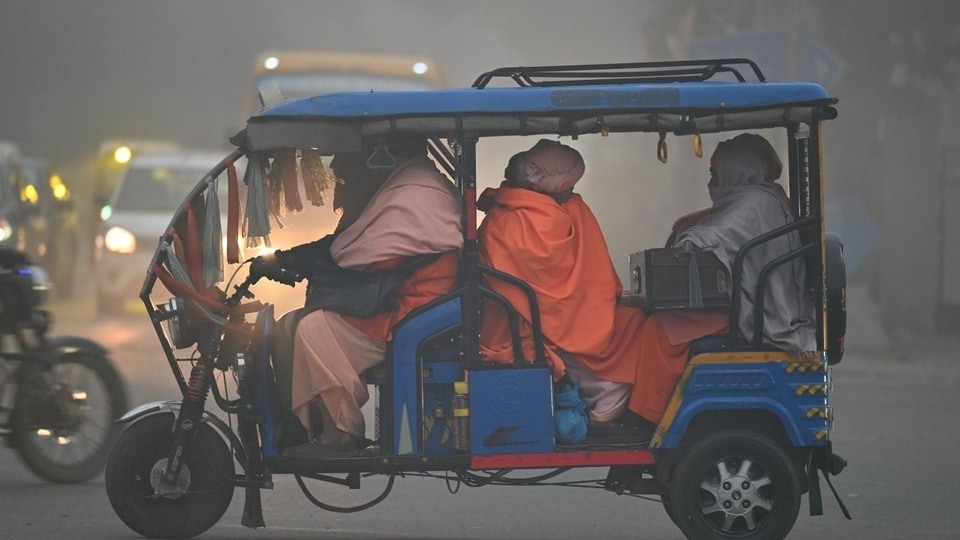
According to official estimates, around 4 lakh e-rickshaws are currently operating in Delhi. However, only 2,05,665 are officially registered, suggesting that nearly 2 lakh vehicles are plying illegally on city roads.
The draft policy states that no registrations beyond the proposed limit of 2.5 lakh e-rickshaws will be permitted unless the government revises the cap in the future.
Officials said the move is aimed at bringing greater regulation to a sector that has expanded rapidly over the years.
The government is also looking to regulate the rapidly expanding sector of non-motorised vehicles, which officials described as a growing mobility challenge in the city.
Also Read | Delhi govt to limit e-rickshaws at 2.5 lakh to address urban congestion
Why govt put a limit on e-rickshaws in Delhi
1. Around 2 lakh e-rickshaws are operating illegally
The Delhi government's decision comes amid concerns over a large number of unregistered e-rickshaws operating in the city.
While around 4 lakh e-rickshaws are estimated to be plying on Delhi roads, only 2,05,665 are officially registered.
This means approximately 2 lakh vehicles are operating outside the regulatory framework, making enforcement and monitoring difficult.
2. Growing traffic congestion across the city
Officials said the rapid increase in the number of e-rickshaws has contributed to traffic bottlenecks in several parts of Delhi.
Areas around metro stations, markets and residential colonies have witnessed overcrowding due to the concentration of these vehicles, prompting authorities to introduce a cap to better manage traffic flow.
Also Read | E-rickshaw registrations to start from May 15 with new rules in Delhi
3. Concerns over road safety
The government has cited road safety hazards as a key reason for imposing the limit.
According to officials, many unauthorised e-rickshaws do not comply with prescribed safety standards and operate without valid documents. The cap is expected to help authorities identify and regulate vehicles that meet safety requirements.
4. Unchecked growth of the sector
The draft policy notes that the e-rickshaw sector has expanded rapidly over the years without any effective ceiling or route regulation.
The government believes a fleet cap is necessary to prevent excessive proliferation of e-rickshaws and bring the sector under a structured regulatory framework.
5. Repeated complaints from agencies and residents
Transport department officials said enforcement agencies, civic authorities and residents have repeatedly raised concerns regarding illegal operations, congestion and unsafe movement of e-rickshaws.
The proposed cap, along with stricter registration norms and enforcement drives, is aimed at addressing these complaints and improving overall urban mobility.
Key Numbers
• Total e-rickshaws operating in Delhi: Around 4,00,000
• Registered e-rickshaws: 2,05,665
• Estimated illegal/unregistered e-rickshaws: Around 2,00,000