E-Paper



3 Maoist cadres from Chhattisgarh surrender before Odisha police
The surrendered Maoists said they preferred to surrender and join the mainstream in the light of the appeal made by the Odisha chief minister asking Maoists to be a part of the developmental initiatives


Maoists operating on the Odisha-Chhattisgarh border with the responsibility of intensifying insurgency in the Chhattisgarh-Odisha-Jharkhand axis, surrendered before Odisha police on Monday, dealing a major blow to the ultras’ movement.
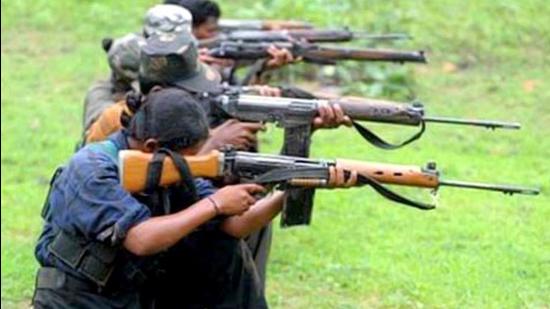
Lakma Madvi alias Lakhan, area committee member of village Isurnag under Bijapur police station, Ganga Madkami alias Nitesh alias Sendra, area committee member of village Kamalpad under Kistaram police limits, and Suka Sodi alias Nabin of village Dulad, under Chintakupa police limits of Sukma district surrendered before Odisha Police chief Abhay.
The surrendered Maoists belonged to the Kodanga-Mahanadi-Sanjukta Area Committee operating under the Kandhamal- Kalahandi-Boudh-Nayagarh (KKBN) division of Odisha State Committee of CPI (Maoist). “The trio had been specially deployed to resurrect Mahanadi Area Committee and activate northern Kandhamal and adjoining axis, which was moribund since 2018 after the killing of divisional committee member Badal alias Shankar Majhi and surrender of Kunu Dehury,” said Abhay.
“Surrender of the three Maoists will give a serious blow to the Maoist plan and designs in northern Kandhamal and adjoining axis and their plan to revive the north Mahanadi corridor up to Saranda of Jharkhand state will fall flat,” said the DGP.
The surrendered Maoists said they preferred to surrender and join the mainstream in the light of the appeal made by the Odisha chief minister asking Maoists to be a part of the developmental initiatives and benefit from the Surrender and Rehabilitation Policy.
The surrender of the three cadres came a month after Sudheer alias Chikudu Chinna Rao, a divisional committee member and commander of Pedabayalu and Korukonda area committee of Andhra Odisha Border Special Zonal Committee of Maoists walked out of the party and surrendered.
Last month, Rame Podiami alias Sabita, commander of Palachalam local operational squad of Dandakaranya Special Zonal Committee(DKSZC) and Raidhar Dhurua alias Raidhar, party member of Mahupadar local operational squad under DKSZC surrendered before police. In the last two years more than 20 active Maoist cadres and hundreds of active militias/Maoist sympathizers have surrendered in Malkangiri district.