
 E-Paper



50 can pray in Nizamuddin Markaz during Shab-e-Barat, Centre tells HC
The submission was made during the hearing on a plea by the Delhi Wakf Board through advocate Wajeeh Shafiq, seeking opening of the Nizamuddin Markaz where a Tablighi Jamaat congregation was held amid the Covid-19 pandemic.

 Prefer HTon Google


The Centre on Wednesday told the Delhi high court that 50 people chosen by the state wakf board can be permitted to offer prayers at the mosque in the Nizamuddin Markaz on the occasion of Shab-e-Barat once the names of those individuals are provided to the station house officer of the local police station.
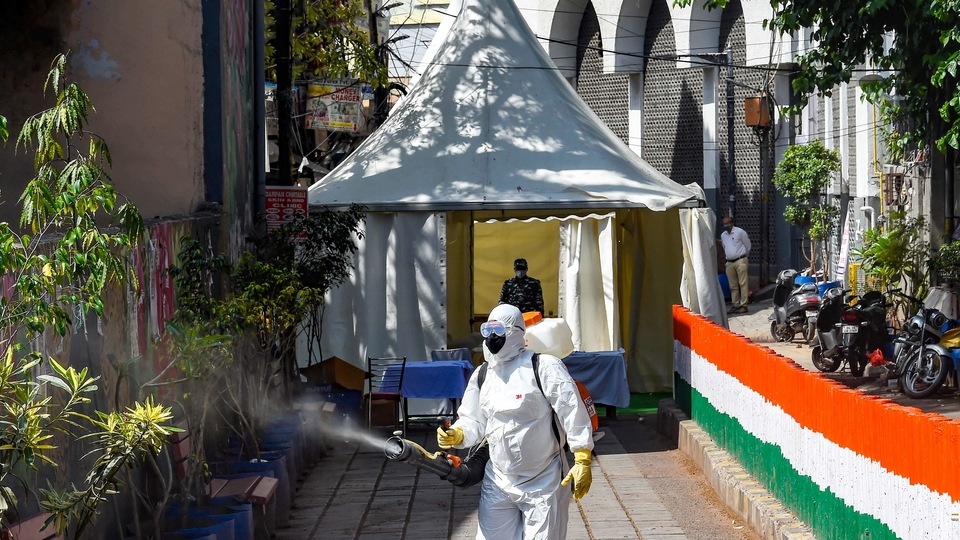
The submission was made during the hearing on a plea by the Delhi Wakf Board through advocate Wajeeh Shafiq, seeking opening of the Nizamuddin Markaz where a Tablighi Jamaat congregation was held amid the Covid-19 pandemic. It was locked down by the authorities on March 31 last year, after removing members of the Jamaat who were staying there in violation of the curbs imposed to stop the spread of the infectious disease.
An FIR was registered under the Epidemic Diseases Act, the Disaster Management Act, Foreigners Act and various provisions of the penal code in connection with the Tablighi Jamaat event held at the Markaz and the subsequent stay of foreigners there during the Covid-19 lockdown.
Representing the Centre, advocate Rajat Nair told Justice Mukta Gupta that if the Delhi Wakf Board seeks permission from the SHO for 50 people, they may be allowed to enter the Masjid Bangle Wali to offer prayers on the occasion of Shab-e- Barat, which will be observed on March 28-29.
Senior advocate Ramesh Gupta, who was representing the petitioner, urged the court to permit some individuals to pray at the mosque and assured that the adjacent madrasa will not be accessed.
Gupta also urged the court to decide on the opening of the mosque before the month of Ramzan commences from April 13 “as more people would want to offer prayers at the mosque during that time”. The court listed the matter for further hearing on April 12.
The wakf board, in its plea, has contended that even after Unlock-1 guidelines permitted religious places outside containment zones to be opened, the Markaz -- comprising the Masjid Bangley Wali, Madarsa Kashif-ul-uloom and a hostel -- continues to be locked up.
It has further argued that even if the premises were a part of any criminal investigation or trial, keeping it “under lock as an out of bound area” was a “primitive method” of enquiry process.


