
 E-Paper



8th Pay Commission: By how much will salaries rise for central govt employees?
The 8th Pay Commission has not yet released official slabs, but salaries may rise by up to ₹19,000 per month, based on a potential fitment factor of 2.86.

 Prefer HTon Google


The Union Cabinet on Wednesday approved the Terms of Reference (ToR) for the 8th Central Pay Commission, paving the way for a fresh revision of salaries, pensions, and allowances for central government employees. The pay panel’s recommendations are expected to take effect from January 1, 2026, potentially bringing significant salary increases for lakhs of employees.
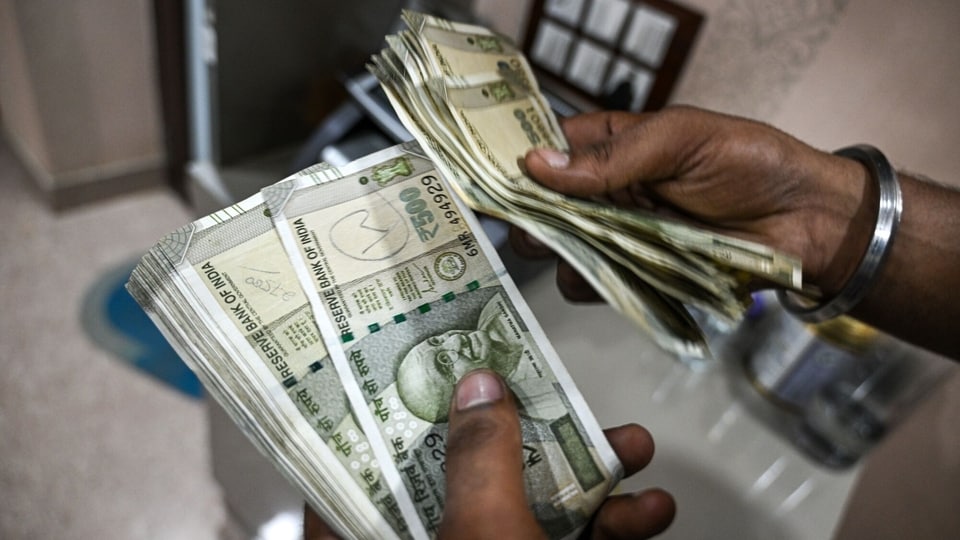
According to official estimates, the move will benefit approximately 50 lakh serving central government employees and 69 lakh pensioners nationwide.
Panel composition and timeline
The commission will be headed by former Supreme Court judge Ranjana Prakash Desai, with one part-time member and one member-secretary. It will have 18 months to submit its report from the date of constitution, and will also present an interim report to the government.
Information and broadcasting minister Ashwini Vaishnaw said the final date for implementation will be decided after the interim report is submitted, but added that it is “mostly expected to be January 1, 2026.”
The Cabinet had earlier, in January 2025, given an in-principle nod for the setting up of the Commission.
Also Read | 8th Pay Panel terms approved: When will new salary be known, how many to benefit, by how much - FAQs
Expected salary hikes
The 8th Pay Commission has not yet released official salary slabs, but salaries could rise by up to ₹19,000 per month, according to projections based on a potential fitment factor of 2.86.
For a mid-level government employee currently earning ₹1 lakh per month, salary increases could vary depending on the budgetary allocation:
- With a ₹1.75 lakh crore budgetary allocation: The salary may rise to ₹1.14 lakh/month, a rise of 14%.
- With a ₹2 lakh crore allocation: The salary may rise to ₹1.16 lakh/month, a 16% rise.
- With a ₹2.25 lakh crore allocation: The salary may rise to ₹1.18 lakh/month, a more than 18% increase.
The 8th Pay Commission is expected to be constituted by April 2025, with its recommendations likely implemented between 2026 and 2027, according to reports.
Fitment factor: Key to salary hike
The fitment factor, which determines how much salaries and pensions are multiplied under a new pay structure, will be one of the most debated aspects of the 8th Pay Commission.
The 7th Pay Commission (implemented in 2016) had used a 2.57 fitment factor, resulting in a 157% hike and raising the minimum basic pay from ₹7,000 to ₹18,000.
If the same factor is applied again, the minimum salary could rise from ₹18,000 to ₹46,260 per month, while the minimum pension could increase from ₹9,000 to ₹23,130.
However, some experts believe this may be unrealistic. Former Finance Secretary Subhash Chandra Garg has suggested that the new fitment factor could be closer to 1.92, which would still result in a 92% increase -- taking the minimum basic pay to ₹34,560.


