
 E-Paper



A year of ‘Janta Curfew’: When Indians stayed home for 14 hours
With daily Covid-19 cases on the rise, Prime Minister Narendra Modi, in his address to the nation at 8pm on March 19, 2020, announced that a ‘Janta Curfew’ will be in place on March 22, from 7am to 9pm.

 Prefer HTon Google


Prime Minister Narendra Modi on March 19 last year announced that a ‘Janta Curfew’ will be in place on March 22 for 14 hours as India witnessed an increase in the daily cases of coronavirus disease (Covid-19). Monday marks the first anniversary of ‘Janta Curfew’ announced by Prime Minister Modi in his address to the nation and it comes at a time when India is in the grip of the second wave of the pandemic.
What was ‘Janta Curfew’?
With the country witnessing a steady rise in its daily new cases of Covid-19, and countries around the world announcing measures to curb the spread of the pandemic, PM Modi urged people to observe ‘Janta Curfew’, which translates to People’s Curfew, from 7am to 9pm on March 20, 2020. This was seen as a way to prepare the citizens for a lockdown, in case one was needed in future.
In his speech, PM Modi said, “Today, I seek some more cooperation from every citizen. It is Janta Curfew, a curfew for the people and imposed by the people themselves.”
What did PM Modi say?
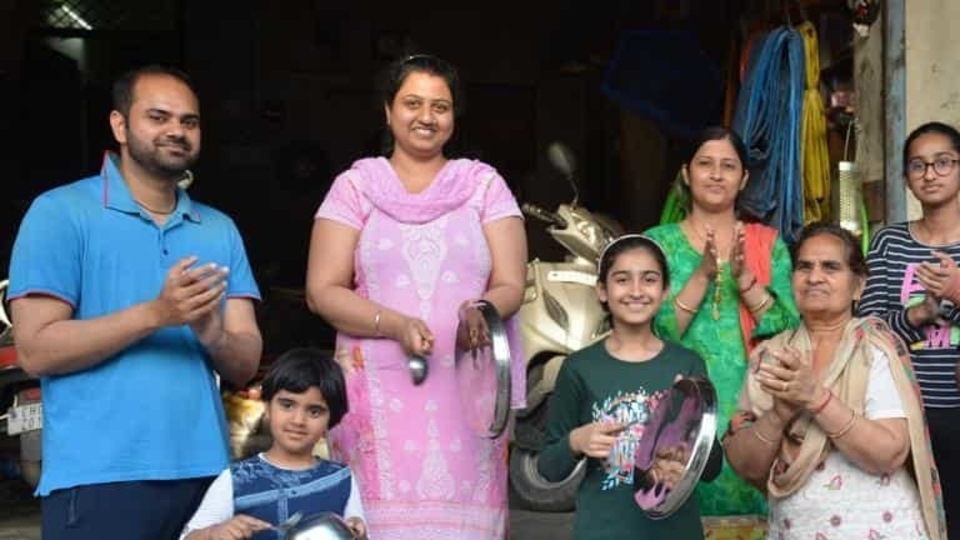
In his address, the Prime Minister also urged people to come out in the balconies of their houses at 5pm and clang utensils for five minutes as a gesture of solidarity with each other and to express gratitude for the frontline warriors. Urging people to stay off the roads for a day, he said that emergency services would not come under the purview of the curfew.
What happened on the day of ‘Janta Curfew’?
The ‘Janta Curfew’ was largely successful as people voluntarily stayed off roads and away from public places. The clanging of utensils began well before 5pm and continued even after 5:05pm, by when, according to PM Modi’s announcement, it should have come to a stop.
What happened next?
On March 24, PM Modi announced a 21-day nationwide lockdown. Later, it was extended thrice, with the final phase beginning on May 18, and concluding on May 31. From June 1 onwards, the country started reopening gradually, in what was termed as ‘Unlock.’
What’s India’s Covid-19 situation now?
Earlier this year, the number of daily cases fell below 10,000 while the number of active cases had also started coming down. However, starting late February/early March, the number of daily infections picked up and, on Sunday, the Union ministry of health and family welfare (MoHFW) announced that 43,846 new cases and 197 related fatalities were recorded in the preceding 24 hours. India’s Covid-19 tally currently stands at 11,599,130 including 11,130,288 recovered cases, 309,087 active cases and 159,755 deaths.
Also Read | 86.8% of India's Covid-related deaths recorded in these 6 states
India is also conducting the world’s largest vaccination drive against the viral disease which commenced on January 16. The second phase of the drive began on March 1 and is currently underway.


