
 E-Paper



About 300 sequenced Covid-19 samples found to be of UK, SA, Brazilian variants
All three contain the N501Y mutation that makes them more transmissible. The South African and Brazilian variants also carry the E484K mutation that helps them evade some of the immune responses generated by a previous infection or through vaccination


At least 284 samples that tested positive for Sars-CoV-2, which causes Covid-19, across the country have been found to be of the UK variant, officials aware of the matter said. Another 11 turned out to be of the South African and one of the Brazilian variants.
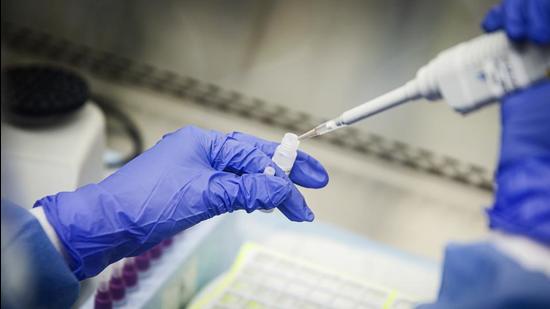
All three contain the N501Y mutation that makes them more transmissible. The South African and Brazilian variants also carry the E484K mutation that helps them evade some of the immune responses generated by a previous infection or through vaccination. A report in the British Medical Journal said the UK variant may increase the risk of mortality from 2.5 deaths per 1,000 detected cases to 4.1.
The Indian Sars-CoV-2 Genomic Consortia (INSACOG) was set up to conduct genomic surveillance of the strains of the virus when reports about the UK variant emerged in January. The government announced the consortium will sequence 5% of all the positive cases in the country.
Also Read | Centre wants gap in Covishield jabs widened to 4-8 weeks: All you need to know
The consortium received 19,092 RT-PCR positive samples for sequencing as of March 10 with the highest from Kerala (5,191), followed by Maharashtra (2,826), and Rajasthan (1,963). Delhi submitted 1,232 samples to the consortium, which is almost 14% of the total cases reported between January 22 and March 10.
The sequencing of 4,869 samples was completed by March 10, the government told Parliament.
INSACOG has detected E484K mutations in some of the samples collected from Maharashtra.
Rakesh Mishra, director of the Centre for Cellular and Molecular Biology (CCMB), said there is no evidence to suggest that the current surge in the number of cases has anything to do with mutant viruses. “This is because the proportion of samples that contain these variants is very small – about 6% of the total. The increase is likely driven by the behaviour of the people. Everything has gone back to normal – marriages are happening, elections are happening, schools are opening up,” said Mishra. “We are also looking for the new local variant, but we are yet to pick up any that is circulating faster or is of any concern. And, no matter what variant it is, the same mask will protect us from all.”


