E-Paper



Advertising India: How companies pitched themselves to citizens of independent nation
A look at the art of luring customers with words and images from the archives of Hindustan Times on August 15,1947.

 Prefer HTon Google


On the day India was freed from British rule, life changed for its citizens, but some things remained business as usual. Indians were still buying and selling, from items of daily use such as toothpaste or shaving blades to luxury items such as cars and movie tickets.
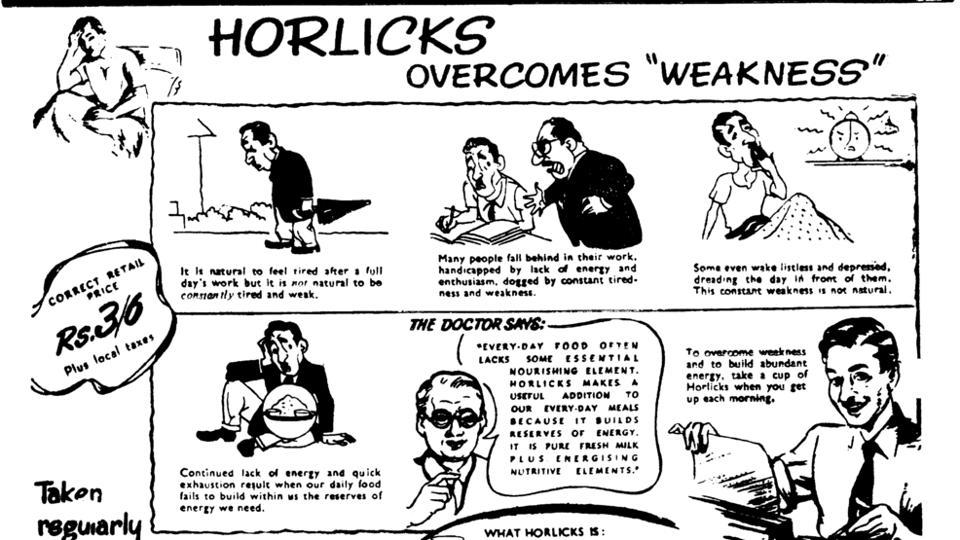
Advertisements have existed almost as long as newspapers have – even in 1947, newspaper front pages carried ads. Digging through the Hindustan Times’ archives from 1947, one glimpses cultural history of a different kind – what was being advertised and how? What were the products you were most likely to find in Indian middle-class homes? What movies were in theatres; which film stars were the faces of popular creams? What ideas and values were advertisers peddling back in the day?
What you can see is a little bit of India in brands that are familiar names. Advertising copy, however, has come a long way – from being flowery and formal, today’s ads usually employ a more conversational tone. Many advertisements mention addresses and offices in the cities of Delhi, Karachi, Bombay, Calcutta, Madras, Lahore and London, the big financial hubs.
Inside India’s cupboards in 1947
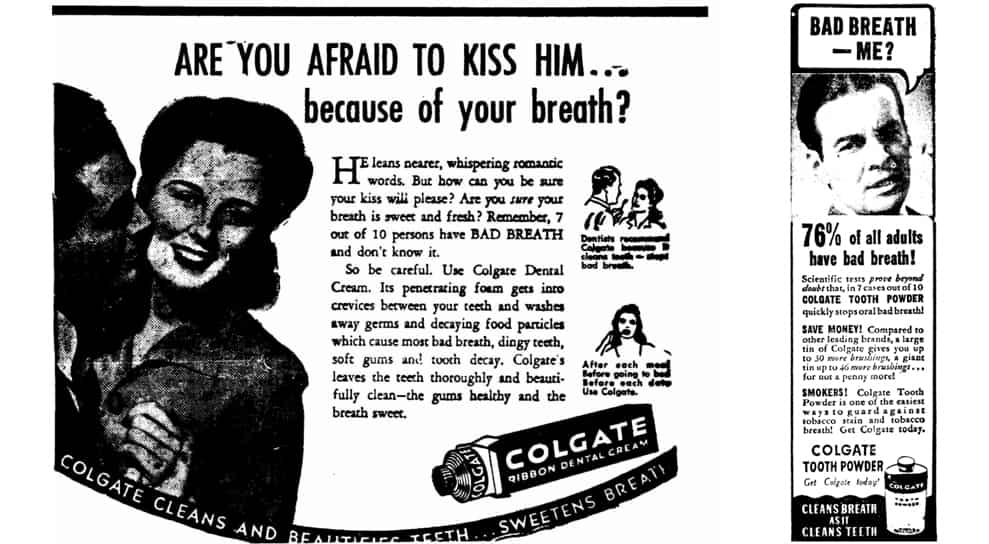
Some of the products ubiquitous in India’s cupboards were already crowd favourites at the time. Dettol antiseptic, Colgate toothpaste, Eno fruit salt, Glycodin cough syrup, Cipla remedies, Johnson’s baby powder, Hamdard’s Safi, Kelloggs’ cornflakes, Lipton tea were household names.
Apart from these, what were the lotions and potions that catered to the vanity of India’s middle and upper classes? You will spot some familiar names here, and familiar advertising tropes: Brylcreem was advertising its greasy charms, Gillette was selling smooth shaves; Lifebuoy was telling consumers it would make them popular and land them jobs, while Palmolive was selling its ‘exciting shampoo’ that would make hair “sparkling, silky smooth and easy to curl”. ‘Lovely women’ everywhere used Ponds, and Lux had already roped in a film star as its face.
New technologies
The other thing that jumps out is the breathless air with which new technologies and features were being advertised. Kodak is marketing its ‘lumenized lenses’, a technology it pioneered during the World War II. Eveready’s long-lasting batteries could provide ‘unfailing, bright and powerful’ light, while Phillips’ low-cost battery-operated radios promised “finest radio reception”. And Reynolds, the humble makers of our favourite blue-and-white pen, were announcing the Reynolds’ Rocket Ball Pen, which could go 15 years without a refill!
For the movers and shakers
Then there were items that spelled luxury. In the August of India’s independence, an Air India ticket from Delhi to Bombay cost Rs 140, a substantial sum. The return flight made a stopover at Ahmedabad for refuelling.
You could buy a shiny, smooth new Buick Sedan for Rs 12,700. What seems like a pittance now was a princely sum back then. A Parker pen or a Chevrolet is still a luxury in today’s India, but in the year of India’s independence, very few Indians could afford these at all.
For those who could, going out to the matinee was one of these treats. So what was playing in theatres in 1947? Alfred Hitchcock’s Notorious starring American heartthrobs Cary Grant and Ingrid Bergman was playing in Plaza Cinema in January, while Regal cinema was showing Henry Fonda-starrer ‘The Return of Frank James’. In Indian cinema, it seems historicals were the flavour of the season -- Ritz Cinema at Lothian Road was playing Veerangana while Jagat Cinema was playing Surendra and Suraiya’s “1857”, a retelling of the first war of Indian independence.
In some respects, nothing seems to have changed. The latest films still play at Plaza, and Cook and Kelvey continue to sell Rolex watches at Scindia House.
The winds of change
While commerce continues, these vintage advertisements are not untouched by the events of 1947. Biscuit manufacturer Parle-Gluco wishes consumers prosperity in ‘this new year of freedom’ in an advertisement.
India’s homegrown industrialists such as DCM textiles and Modi industries had gained a solid foothold in the market. The Imperial Bank of India would soon be renamed the State bank of India in 1955, post Independence.
This 1947 advertisement for the Indian Military Academy in Dehradun was striking. The IMA was looking for young officers of ‘quality, character, vigour, grit; lovers of rough outdoors and adventurous life need apply’. But you had to be a “British subject of Indian domicile or descent”. How this would change four months later, when India gained freedom from colonial rule.