
 E-Paper



Afghan forces intercept Taliban fighters, find Jaish terrorists training for Kashmir
Indian security officials are closely watching developments in Afghanistan with the Taliban all set to fight it out with the Ashraf Ghani regime after US withdraws its forces

 Prefer HTon Google


A chance discovery of global terror outfit Jaish-e-Mohammed cadres in Afghanistan’s Nangarhar province on Monday night has confirmed the assessment of Indian intelligence agencies that Pakistan’s Inter Services Intelligence had resumed training a select groups of terrorists for Kashmir in war-torn Afghanistan, people familiar with the development told Hindustan Times.
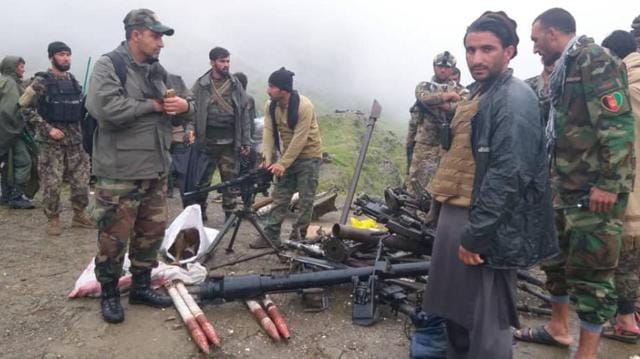
The Afghan forces had carried out a raid in Nangarhar’s Muhmand Dara at what was presumed to be a Taliban camp that led to a bloody gunfight. At the end of the clash that cost the Afghan security forces four lives on April 13-14 night, the security personnel discovered that only 5 of the 15 men they had killed were from the Afghan Taliban. The other 10 were Jaish-e-Mohammed terrorists being trained to fight in Jammu and Kashmir.
One Jaish terrorist survived the gunfight and was captured.
Counter-terror operatives in Delhi and Kabul told HT that the Masood Azhar-founded Jaish-e-Mohammed, which shares the same Deobandi umbilical cord with Taliban, appeared to be running three camps (called Mustaquil) along with four Taliban camps in Nangarhar province. The camps have been identified as Khogyani I, Khogyani II and Dargah camp in Nangarhar province and were lent by the Taliban in lieu of Haqqani network’s cadre being trained in JeM’s camps in Pakistan.
Hindustan Times has accessed photographs and video footage of the clash. One of these photographs shows some of the weapons seized by the Afghan security forces from the camp: 2 mortar launchers, one rocket-propelled grenade and 2 AK series rifles.
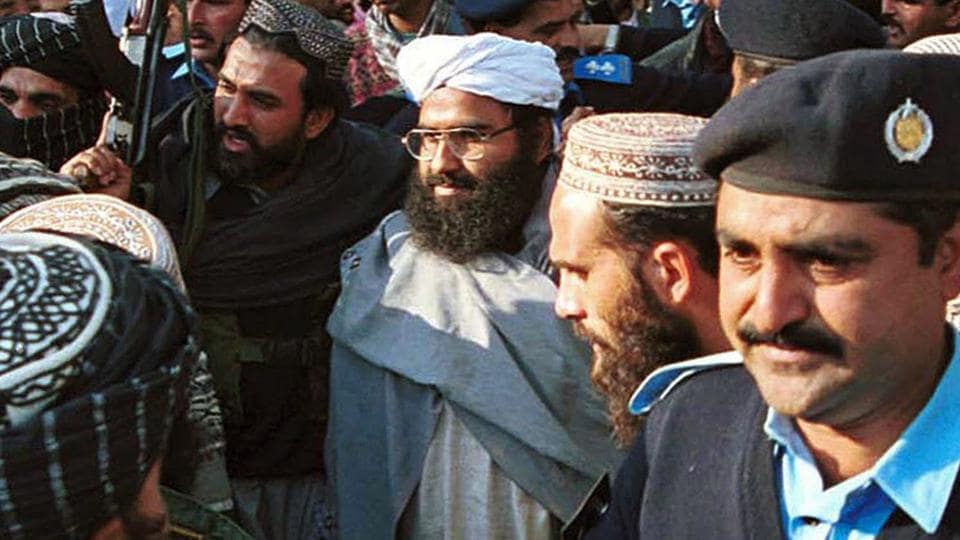
Maulana Masood Azhar, who has been on India’s most wanted list for years, is incapacitated due to health issues and lives in the terror group’s headquarters, Markaz-e-Usman-o-Ali in Pakistan’s Bahawalpur.
His younger brother Mufti Rauf Asghar is the man running the Jaish ‘s terror show.
Intelligence reports indicate that the Jaish’s de facto chief Mufti Rauf Asghar’s son Wali Azhar is also being trained in these camps that are headed by former Afghan war and Harkat-ul-Mujahideen veteran Mufti Asghar Kashmiri. His second-in-command at these camps is the Jaish’s Kashmir infiltration specialist Abdullah aka Asadullah.
“We have photographic evidence that places Kashmiri and Abdullah at the terror launch pads in Pakistan-occupied Kashmir,” one official told HT.
Also Read: The Taliban has trumped the US in Afghanistan | Analysis
According to information shared with India’s security planners, Pakistan-occupied Kashmir residents Yasin, Umar, Said and Mansoor along with Bahawalpur-based chief trainer Chacha Wagah, Junaid and Qari Sahab were present in the camp along with Kashmiri and Abdullah as late as March 29.
The total strength of Khogyani I camp is 23 cadres and seven instructors, while the number of cadres in Khogyani II and Dargah camps number 66 excluding trainers and logistics staff.
The radicalised cadre are being given a 15-day normal training after which they have to clear the six-month “Jundullah (commando)” training course before being launched into J&K. These cadres are also being given jungle survival training in Kunar reserve near Nuristan border.
Also Read: Pakistan proxies in fight to the finish in Afghanistan, but India too needs to prep | Analysis
Miniature replicas of the areas around their launch pads at Neelum, Sharda, Kel, Athmuqam, Leepa, Kotli and Forward Kahuta across the Line of Control (LOC) have been created for briefing them about infiltration into J&K.
Already, intelligence agencies have reported that the Pakistan terror groups had prepped to send about 230 terrorists across the Line of Control.
Indian national security planners are also watching with some anxiety the emerging big picture in Afghanistan with the US on the verge of withdrawal and Taliban all set to fight it out with the Ashraf Ghani regime for the seat in Kabul.
It is quite evident that once the Taliban gain control of Kabul, Pakistan would acquire strategic depth through Afghanistan and use the soil to launch terror strikes against India, a counter-terror operative in Delhi said.


