E-Paper



After beating plates, MP govt to blow sirens to create awareness about Covid-19
The chief minister said the state government is going to introduce Sankalp Abhiyan from March 23 to ensure the use of mask and social distancing


The Madhya Pradesh state government will blow a siren on March 23 after one year of beating thalis to make people aware of the surge in Covid-19 cases, said chief minister Shivraj Singh Chouhan.
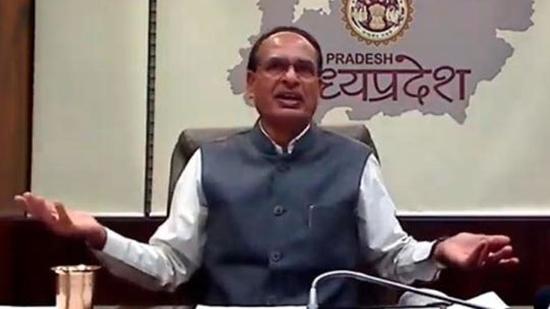
The chief minister said the state government is going to introduce Sankalp Abhiyan from March 23 to ensure the use of mask and social distancing. “On this day, a siren will be blown in every district at 11 AM and 7 PM and people will be requested to stop for 2 minutes to take a pledge of using masks and maintaining social distance,” said Chouhan.
He said masks and social distancing were the best way to contain the spread of the virus.
“Schools from classes 1 to 8 will remain closed in Madhya Pradesh amid a spurt in Covid-19 cases. In such an adverse condition, we can’t take the risk of opening schools,” said Chouhan.
Earlier, school education minister Inder Singh Parmar had announced the opening of schools from Classes 1 to 8 from April 1.
However, Congress took a jibe at the BJP-led state government for taking a non-serious decision to contain the spread.
Former minister and Congress MLA PC Sharma said, “The government is not serious about Covid-19 which resulted in a number of positive cases increasing again. By imposing night curfew and blowing a siren, they thought that the virus will be killed like they did last year by beating thalis.”
Instead of such an insane decision, they should come up with some serious steps to contain the spread of the virus, he added.
After an increase in Covid-19 cases, the state government imposed a one–day lockdown on Sunday in three districts –Indore, Bhopal and Jabalpur. Schools and colleges will remain closed from March 21 to 31 in these three districts. On Saturday, 1322 Covid-19 positive cases have been recorded in MP.