
 E-Paper



‘Alarming,’ says SC on Kerala’s decision to open markets despite Covid surge
The state government’s decision of July 17 to enable all shops to open in areas with 15% or less test positivity rate (TPR) for three days (July 18-20) and for a single day (July 19) in areas with TPR above 15% was challenged before the Supreme Court


The Supreme Court on Tuesday pulled up Kerala for allowing markets to open for an entire day on Monday ahead of the Bakrid festival that falls on Wednesday, despite the surge in Covid-19 cases.
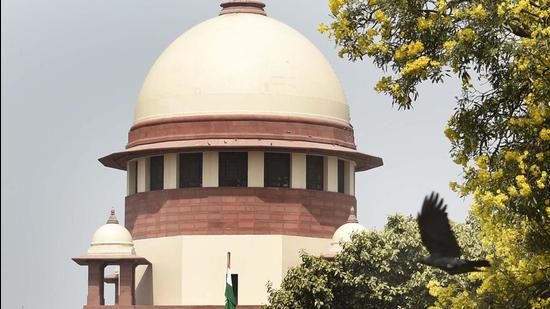
The state government’s decision of July 17 to enable all shops to open in areas with 15% or less test positivity rate (TPR) for three days (July 18-20) and for a single day (July 19) in areas with TPR above 15% was challenged before the Supreme Court in an application filed by Delhi resident PKD Nambiar. The state filed an affidavit justifying its decision to open the markets citing expert advice and pressure from market associations. The TPR is the percentage of coronavirus tests turning positive.
The bench of Justices RF Nariman and BR Gavai was shocked to note how the state gave in to pressure from trader groups and risked the lives and health of citizens of India. “To give in to pressure groups so that the citizenry of India is laid bare to a nationwide pandemic discloses a sorry state of affairs….This affidavit discloses a sorry state of affairs and does not in any real manner safeguard the Right to Life and Health guaranteed to all the citizens of India under Article 21 of the Constitution of India.”
Kerala has been reporting high figures of Covid cases ever since the state came under lockdown three months ago. The average TPR in the state went up to 11.08% on Monday, the highest in 17 days. The application argued by senior advocate Vikas Singh submitted that by granting this relaxation, the state government was playing with the lives of the citizens of India.
The court also warned the state that “if as a result of the July 17, 2021 notification, any untoward spread in the Covid-19 disease takes place, any member of the public may bring this to the notice of this court, after which this court will take necessary action against those who are responsible.”
The bench noted in its order that prior to July 17, the state was divided into four categories based on TPR. The most critical spread areas with TPR above 15% were classified under Category D. In these areas, stringent restrictions were imposed even on opening of essential items shops. The notification allowed all shops in Category D to remain open for all of Monday.
Also Read | Supreme Court refuses to postpone CLAT 2021 scheduled to be held on July 23
The bench observed, “Homilies such as “as far as possible” and assurances from traders without anything more, do not inspire any confidence in the people of India or this Court. The relaxation for one day to a Category D area was wholly uncalled for.”
The affidavit by Kerala Chief Secretary VP Joy stated that the Crisis Management Group, in consultation with the chairman of the expert group of medical officers, considered the plea of traders and allowed exemption to Category D areas. In Category B and C areas, with TPR between 5-10% and 10-15%, three days’ exemption was given for all shops to function. Prior to the notification, only a certain category of essential goods shops was allowed to remain open in these areas.
The court directed Kerala to pay heed to its constitutional duty to protect life and health of citizens under Article 21 and Article 144, the provision by which all civil and judicial authorities in the country have to act in aid of the Supreme Court.
An almost similar order was passed by the same bench on Monday which took suo motu cognizance of the Kanwar Yatra taken out by Uttar Pradesh. The application against Kerala government’s decision to relax lockdown restrictions was filed in this case. Last week, the court told UP government that religious sentiments should be subservient to the fundamental right to life of citizens. Neighbouring Uttarakhand and Delhi had already cancelled permission for the Yatra while UP had permitted symbolic processions.
Following the SC’s stern approach, Kanwar Sanghs decided to postpone the Yatra for this year. Subsequently, the court closed the suo motu proceedings on Monday and told authorities to ensure “untoward incidents which directly affect the lives of the public” or face prompt and stern action from Court. The Kerala government was also asked to follow this direction.


