
 E-Paper



All 337 tonnes of Union Carbide waste incinerated at MP plant, says official
The waste incineration marks a major step in closing a tragic chapter of the 1984 Bhopal gas disaster.

 Prefer HTon Google


All 337 tonnes of hazardous waste from the defunct Union Carbide factory in Bhopal have been incinerated at a disposal facility in Pithampur, nearly six months after being transported there, according to a statement from the Madhya Pradesh Pollution Control Board, cited by news agency PTI on Monday.
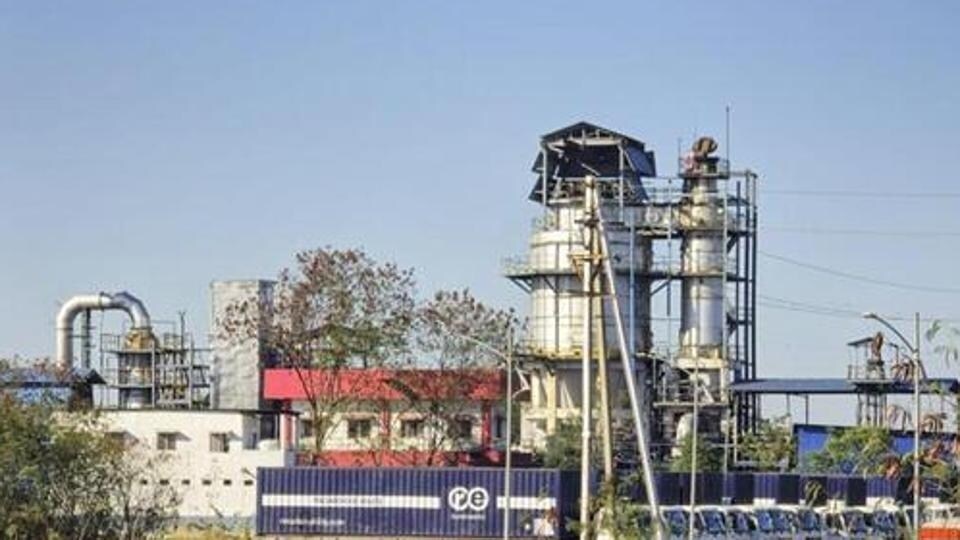
The incineration, marking a major step in closing a tragic chapter of the 1984 Bhopal gas disaster, was carried out following an order from the Madhya Pradesh High Court.
According to regional officer Srinivas Dwivedi, the last phase of the burning process — covering 307 tonnes — began on May 5 and concluded on the night of June 29-30.
“The process of burning 307 tonnes of the factory waste at the disposal plant operated by a private company in Pithampur began around 7.45 pm on May 5 and ended on the intervening night of June 29-30 at 1 am,” he told PTI.
Also Read | Toxic waste shifted from Bhopal's Union Carbide factory for disposal after 40 years
Earlier, 30 tonnes of the waste were destroyed in three trial runs. In total, the entire 337 tonnes have now been burnt to ash.
No info on impact on locals’ health
The disposal was done under the supervision of experts from both the Central and State Pollution Control Boards. Dwivedi said the waste was incinerated at a maximum rate of 270 kg per hour, with emissions monitored in real time through an online system.
“We have no information about any adverse effect on the health of people living in the surrounding areas during the incineration of the waste,” he added.
Also Read | 337 MT toxic waste from Bhopal gas leak site to be shifted to Pithampur
The waste included soil from the Union Carbide premises, reactor residue, and remnants of pesticides like Sevin and naphthol. However, the board clarified that the waste contained no trace of methyl isocyanate — the toxic gas that caused the disaster — and no radioactive material.
The remaining ash and other byproducts are currently being stored in sealed, leak-proof bags inside the plant. Dwivedi said special landfill cells are being built to bury the residue using scientific methods. "If everything goes well, these residue will also be disposed of by December. Before this, the residue will be treated scientifically so that their burial does not cause any harm to the environment," he said.
The toxic waste was brought to the Pithampur facility in Dhar district, about 250 km from Bhopal, on January 2.
The 1984 gas tragedy — one of the world’s worst industrial disasters — occurred when methyl isocyanate gas leaked from the Union Carbide plant in Bhopal on the night of December 2–3. The leak killed at least 5,479 people and left thousands injured or disabled.
(With PTI inputs)


